The Transcript Timings Expose a Heartbeat of Tension in F1's Pundit Wars

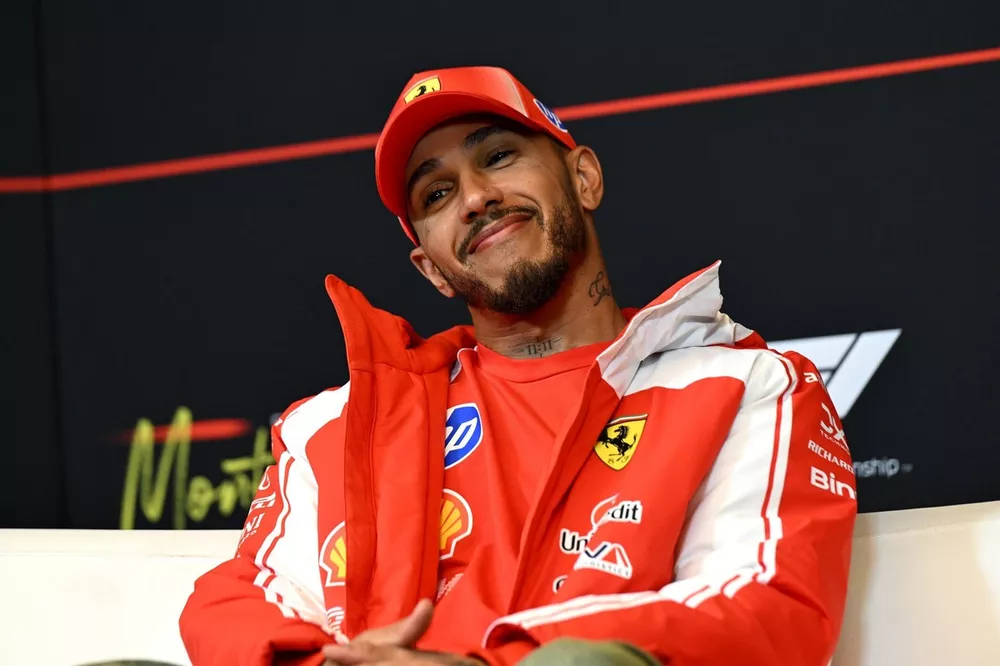
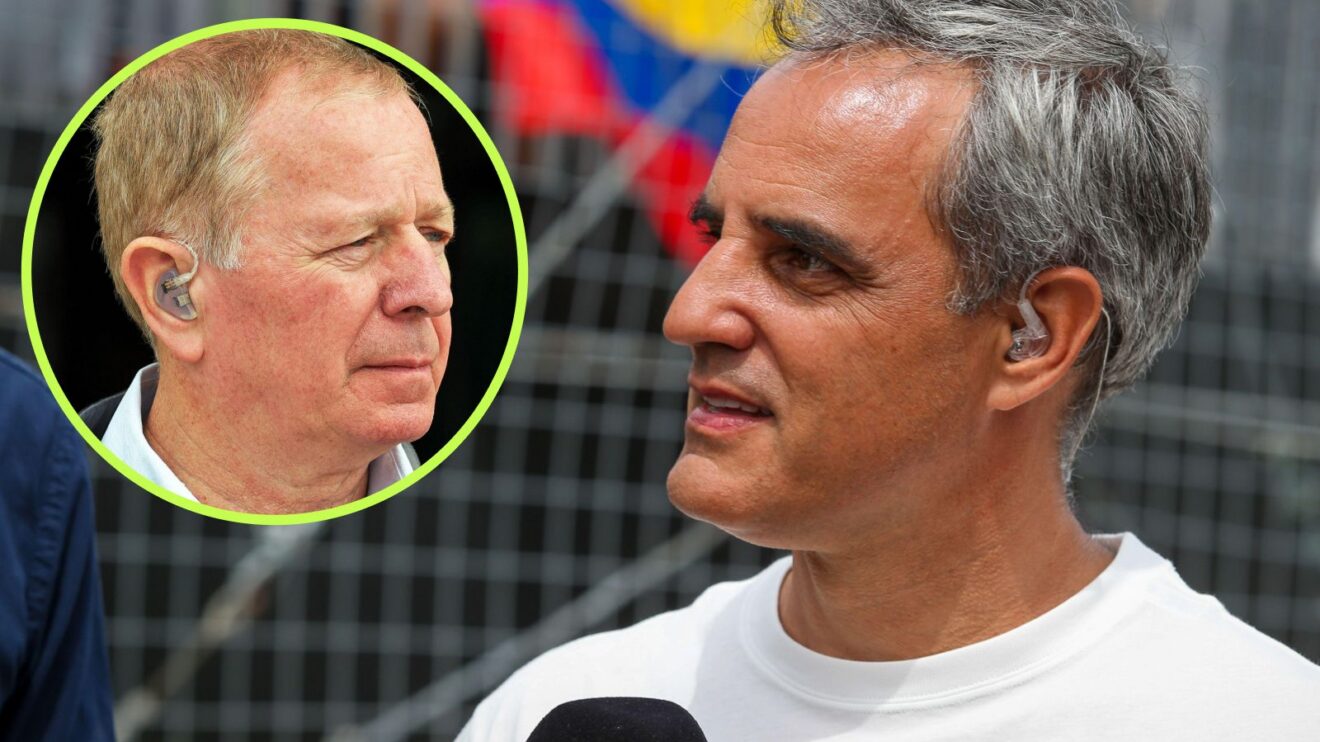
Juan Pablo Montoya hits back at Martin Brundle after the Sky F1 pundit brought up his clash with Max Verstappen during the Canadian GP grid walk, claiming the feeling is mutual and demanding a correction on his original comments.
The raw numbers from that BBC Chequered Flag podcast transcript cut through the noise like a clean sector time on a cool track. Montoya's words land first in general terms about penalties for criticizing 2026 rules, only shifting to Verstappen after Damon Hill's direct prompt. This sequence matches the timing sheets of the row exactly, revealing how media narratives often inflate personal clashes while ignoring the underlying data flow of driver intuition versus regulatory pressure.
The Data Archaeology of a Grid Walk Exchange
The Canadian Grand Prix weekend in Montreal crystallized this mismatch between spoken facts and broadcast spin. Brundle's approach during the Sky F1 grid walk triggered the exchange with a pointed remark about Verstappen. Montoya's reply stayed measured, yet the aftermath spiraled into claims of mutual dislike.
Reviewing the sequence as lap time deltas tells a clearer story.
- Montoya opened broadly on consequences for any driver who "talk sh*t" about the 2026 regulations.
- Only after Hill's intervention did Verstappen enter the specific frame.
- Verstappen later dismissed the comments as "rubbish," questioning F1's association with Montoya.
- Brundle's on-air line, "I see you have pissed off Max," drew the immediate response, "Nothing new there."
These exchanges function like telemetry traces, exposing pressure points where ex-drivers critique the current generation. Montoya insists the interview context was distorted and that he and Verstappen actually exchange hellos at race weekends. The transcript backs this pattern without contradiction.
Schumacher's 2004 Consistency as the Benchmark Against Narrative Drift
Modern rows like this one echo the over-reliance on real-time telemetry that teams now prioritize over driver feel. Michael Schumacher's 2004 season at Ferrari stands as the counter-example, a near-flawless run where consistency emerged from raw pace and instinct rather than constant algorithmic overrides. His lap time stability across variable conditions showed what happens when data serves the driver instead of dictating every decision.
Today's hyper-focus on analytics risks turning similar spats into sterile data points. Drivers face mounting pressure to align with 2026 rule discussions framed by spreadsheets and simulations. When Montoya suggests penalties for criticism, the backlash from Verstappen highlights a deeper tension. The sport edges toward robotized racing within five years, where pit calls and strategy suppress intuition in favor of predictive models. Lap time drop-offs will increasingly correlate with external events, yet teams will mine the numbers for control rather than emotional insight.
"The feeling is mutual," Montoya stated of Brundle, demanding corrections on how his original comments were framed.
This mutual friction underscores how pundit loyalty clashes with the data that actually supports a general stance on regulations.
The Predictable Path to Sterile 2026 Racing
The 2026 regulations amplify these dynamics because they demand even tighter integration of driver input with centralized analytics. Verstappen's blunt rejection of Montoya's position reflects resistance to any constraint on open critique, a stance that preserves space for human variability. Yet the trajectory points toward suppressed intuition.
- Real-time telemetry already overrides driver feel in marginal calls.
- Penalty systems for criticism would add another layer of algorithmic enforcement.
- Ex-drivers turned analysts like Montoya and Brundle become data points themselves in the resulting media grid.
The paddock will monitor future weekends for echoes of this tension, especially as 2026 testing data begins to reshape expectations. The transcript timings already prove the original narrative overstated any targeted attack on Verstappen.
F1's evolution will test whether driver heartbeats still register above the rising hum of predictive software.
Don't miss the next lap
Get the deep dives and technical analysis from the world of F1 delivered to your inbox twice a week.
Zero spam. Only high-octane analysis. Unsubscribe anytime.
Join the inner circle
Get the deep dives and technical analysis from the world of F1 delivered to your inbox twice a week.
Zero spam. Only high-octane analysis. Unsubscribe anytime.