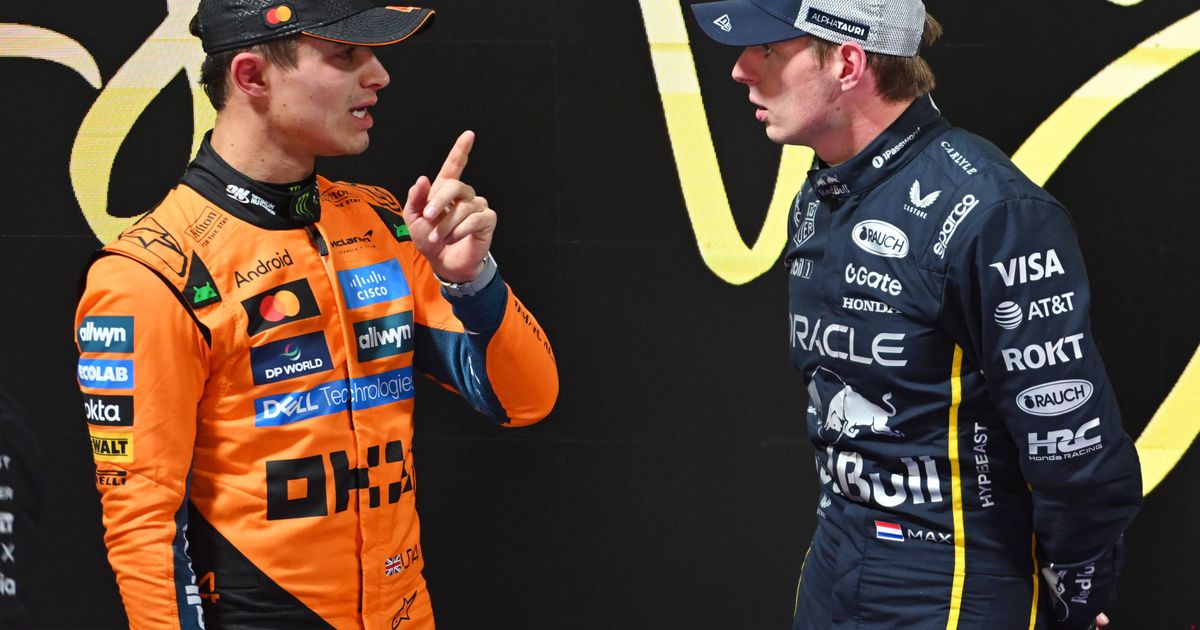
Montoya questions Verstappen and Norris's criticism of 2026 F1 rules
F1 veteran Juan Pablo Montoya challenges Max Verstappen and Lando Norris's harsh criticism of the 2026 regulations, arguing that the pursuit of perfect racing rules is impossible. He contends that attempts to fix current issues could lead to boring, processional races and questions the notion that overtaking was more "real" before these changes, citing 15 years of DRS assistance.
Former F1 driver Juan Pablo Montoya has pushed back against recent criticism from current stars like Max Verstappen and Lando Norris regarding the sport's 2026 regulations, arguing that the search for a perfect solution is a futile exercise. He warns that attempts to fix perceived issues with overtaking could simply create new problems, leading Formula 1 to swing to the opposite extreme of boring, processional races.
Why it matters:
The debate over the 2026 rules highlights a fundamental tension in modern F1 between driver safety, competitive racing, and entertainment. With top drivers publicly voicing strong concerns that the sport is becoming artificial, the FIA faces pressure to find a balance. Montoya's perspective, as a veteran of the sport, adds a crucial historical context, suggesting that the quest for "real" racing has been compromised for over a decade.
The details:
- Montoya, now an F1 TV analyst, argues that tweaking the rules to address safety or overtaking concerns could inadvertently lead to stagnant races where no one can pass, resulting in complaints about boring competition.
- He directly challenged the narrative that racing was more "real" before the 2026 changes, pointing to the long-standing use of DRS. "It hasn’t been real for the 15 years that DRS has been there. So, are you telling me passing with the DRS was real passing?" he stated.
- The Colombian dismissed comparisons to "Mario Kart" as overblown, questioning the practical difference between gaining an overtaking advantage from an open rear wing (DRS) versus from an energy boost under the new rules. "What’s the difference between the wing open and more energy? What's the end result? It's more speed," he concluded.
- This driver criticism comes as F1, the teams, and the FIA are set to review the current regulations during a scheduled meeting, with discussions expected to focus on potential adjustments to energy management and the ADUO system.
What's next:
The upcoming regulatory meetings will be a key test of how seriously the governing bodies take the drivers' vocal feedback. While adjustments are likely, Montoya's warning serves as a caution that any change carries risk. The sport's challenge will be to evolve the rules without creating a new set of unintended consequences, all while managing the public relations aspect of having its biggest stars openly critical of the product on track.