Rosberg's Inner Reckoning: Why Psychological Warfare Still Trumps Aero Tweaks in the Norris-Verstappen Saga

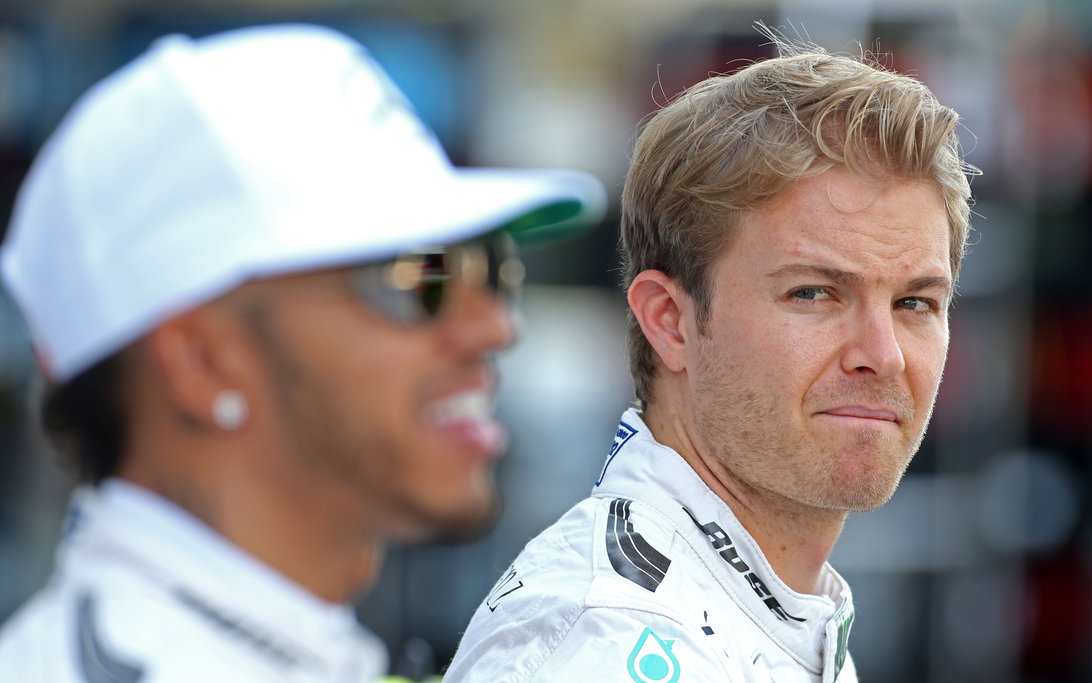
Nico Rosberg explains he had to stop being his true self—too nice—to defeat Lewis Hamilton. He draws parallels to Lando Norris needing to take a tougher stand against Max Verstappen.
The F1 paddock has always been a place where smiles hide daggers, and Nico Rosberg just pulled back the curtain on the most brutal truth of all. To dethrone Lewis Hamilton in 2016, he had to kill off the real version of himself, the one that was way too nice for championship combat. That admission lands like a thunderclap now, as Lando Norris circles the same ruthless orbit around Max Verstappen.
The Mental Recalibration That Defined 2016
Rosberg did not simply outdrive Hamilton that season. He rewired his own wiring. The German has spoken openly about pushing past his natural temperament, forcing a harder edge that felt foreign even to him. This is not about wing angles or brake-by-wire calibration. It is about the kind of driver profiling that separates title winners from talented footnotes.
I have heard similar stories whispered in the motorhomes for years. One senior engineer once told me over sticky rice and Thai whiskey how the old Prost-Senna battles of 1989 were never really about downforce maps. They were about two men willing to fracture their own personalities on track. Today's radio dramas feel like pale echoes because the stakes are lower, yet the psychological cost remains identical.
- Rosberg described his authentic self as "way too nice" for the fight.
- He forced himself into a more combative posture that did not come naturally.
- The 2016 Spanish Grand Prix collision became his proof of concept.
Lessons From the Thai Jungle for Modern Rivalries
There is an old northern Thai folk tale about the playful monkey who must abandon its gentle swinging through the trees to outmaneuver the stalking tiger. The monkey survives only by becoming something it is not. Rosberg lived that tale in real time. He crashed with Hamilton at Barcelona and later pointed to that moment when asked if he had ever sent the necessary message.
"We crashed, right?"
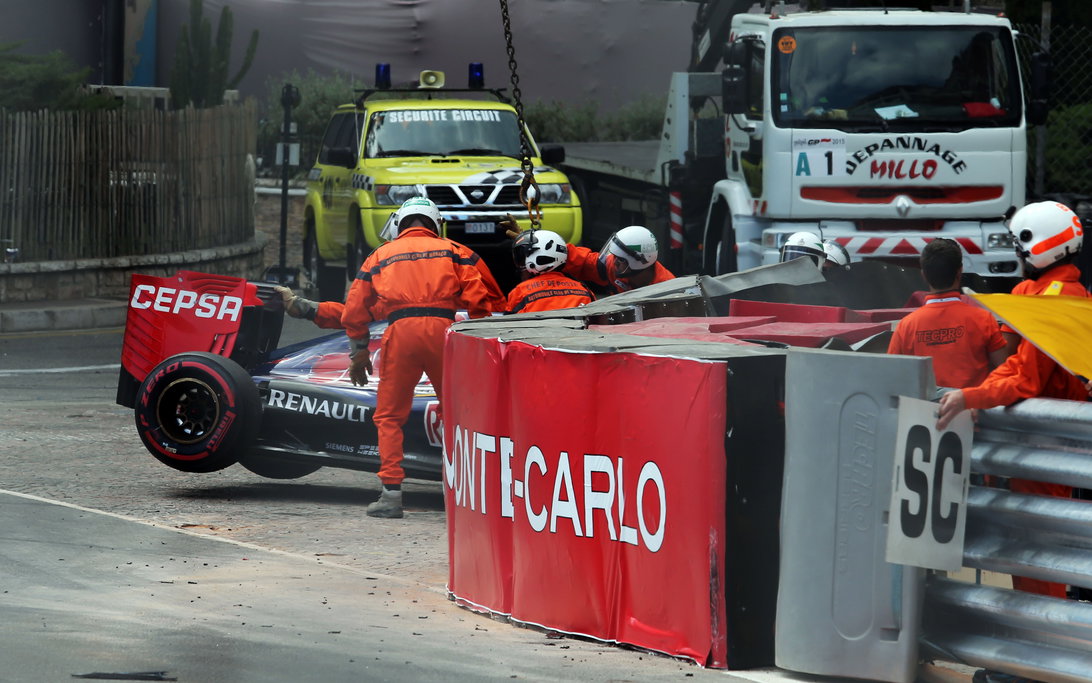
That single line carries more weight than any post-race telemetry. It shows the deliberate choice to risk everything, including the relationship, to redraw the boundaries. Norris faces the identical fork in the road against Verstappen. One calculated stand, even if it ends in carbon fiber and gravel, could recalibrate the dynamic. Team strategy meetings obsess over diffuser slots and tire warm-up maps, yet they rarely run the deeper personality diagnostics that actually decide these wars.
Norris and the Cost of Staying Too Accommodating
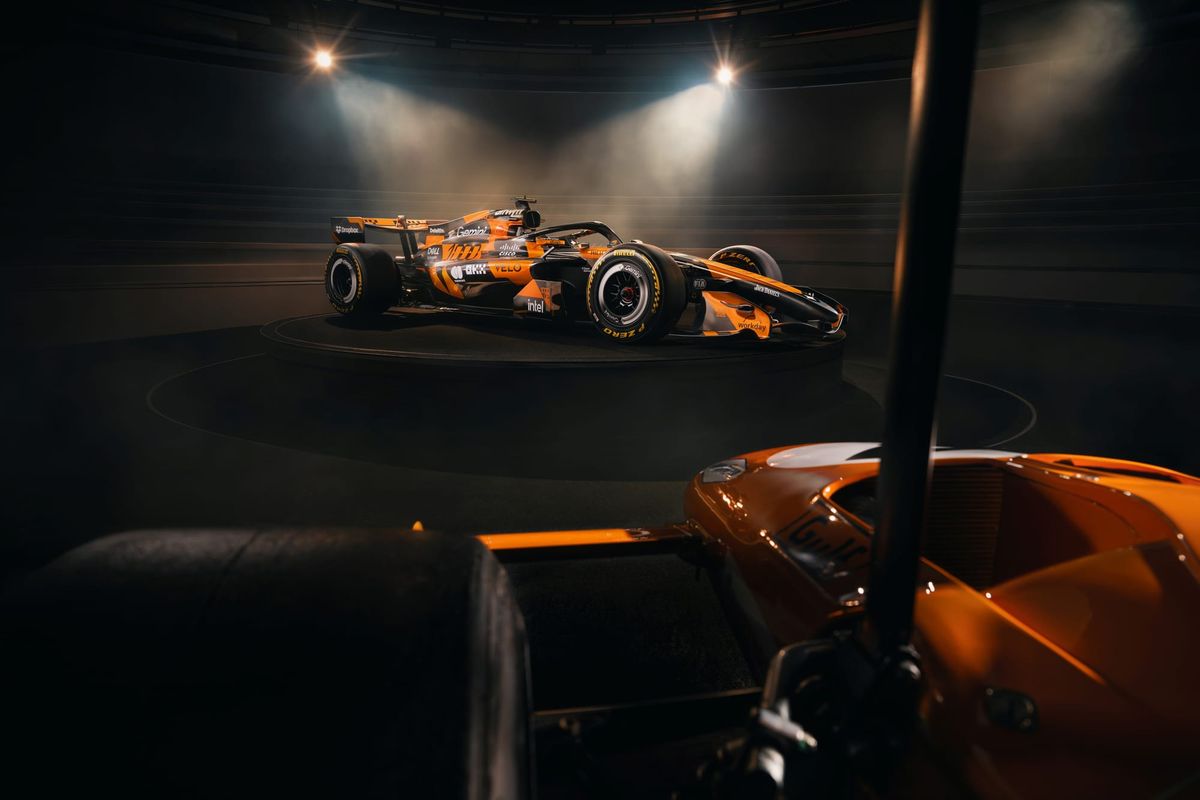
Current wheel-to-wheel scraps between Norris and Verstappen reveal the same gap Rosberg once closed. McLaren's car shows strong pace, yet the mental posture has not fully shifted. Psychological profiling would flag this immediately. Instead, engineers chase marginal gains in yaw response while the real limiter sits inside the driver's helmet.
Rosberg's blueprint is clear. Hold ground once. Accept the crash. Let the rival recalculate risk. Anything less and the pattern repeats, season after season.
The Wider Pattern No One Wants to Admit
These personal transformations carry a heavier price than most admit. Within the current budget-cap environment, the pressure to manufacture such edges will only intensify. I have long warned that loopholes in the financial rules will trigger at least one major team collapse inside five years, forcing mergers or outright exits. When that happens, the survivors will be those who already mastered the mental side of the sport rather than chasing endless aerodynamic increments.
Rosberg walked away the moment the title was secured because he understood the transformation could not be sustained. Norris may face the same reckoning sooner than anyone expects. The question is no longer who has the faster car. It is who is willing to stop being himself first.
Don't miss the next lap
Get the deep dives and technical analysis from the world of F1 delivered to your inbox twice a week.
Zero spam. Only high-octane analysis. Unsubscribe anytime.
Join the inner circle
Get the deep dives and technical analysis from the world of F1 delivered to your inbox twice a week.
Zero spam. Only high-octane analysis. Unsubscribe anytime.
Continue Reading
View More News