Norris Calls Miami Energy Tweaks a 'Small Step,' But F1's Battery Problem Remains
Lando Norris says F1's Miami energy deployment changes are a minor improvement but won't fix the fundamental battery-dominated racing. Teammates and rivals echo concerns over massive closing speeds and unpredictable battles.
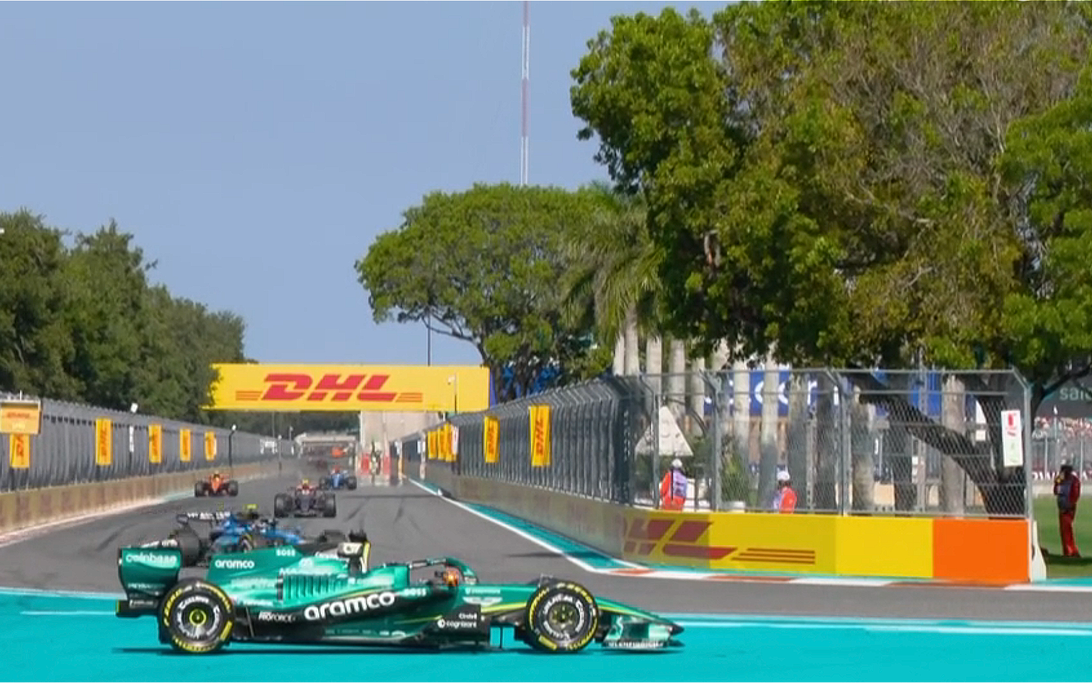
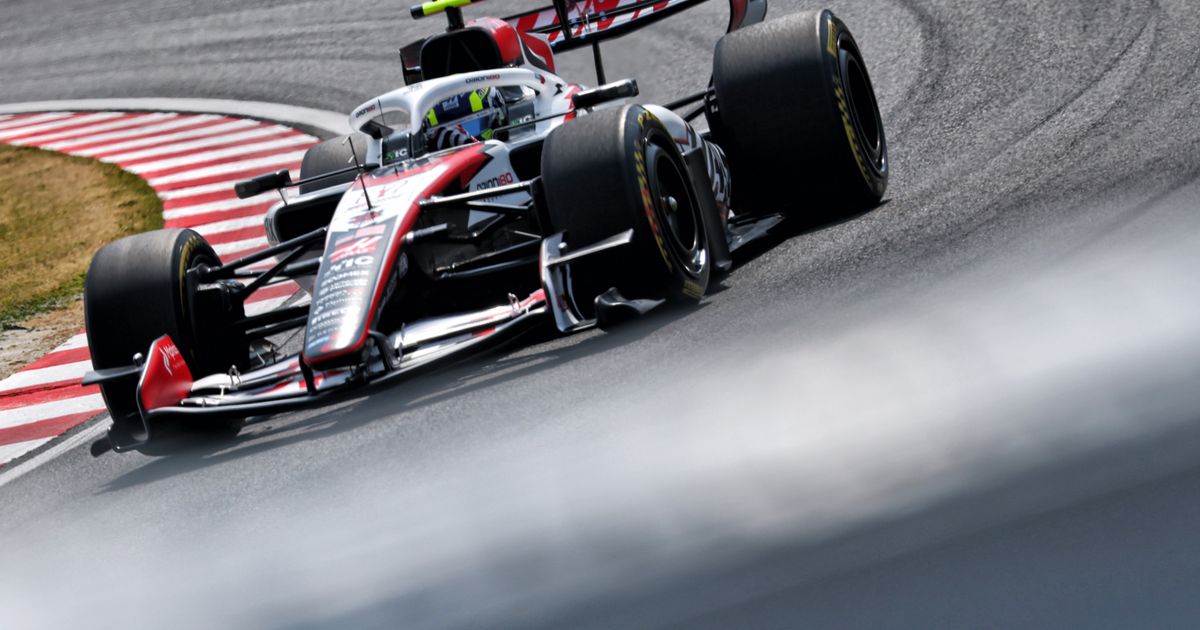
Lando Norris believes Formula 1's energy management tweaks introduced at the Miami Grand Prix were a "small step in the right direction," but he doubts the current regulations can ever deliver the pure racing drivers want as long as battery management dictates performance.
Why it matters:
The 2026 regulations have been heavily criticized for forcing drivers to lift and coast on qualifying laps and creating wild closing speeds in races. While F1 responded with energy deployment adjustments in Miami, McLaren's world champion argues that only a fundamental shift — perhaps eliminating the battery altogether — can fix the problem.
The details:
- Norris's verdict: "If you go flat out everywhere, you still get penalized for it. You should never get penalized for that kind of thing. I don't think you can fix it — you just have to get rid of the battery."
- Piastri's experience: Oscar Piastri called the closing speeds "pretty crazy" after his first real wheel-to-wheel battle with George Russell. He noted a one-second gap turned into an overtake by the end of the straight, making defending nearly impossible.
- Antonelli on trust: Miami winner Kimi Antonelli emphasized that drivers must rely heavily on trust when defending, since cars in Straight Mode become "lazy" and slow to change direction.
- What's next: Stakeholders have already agreed to hardware changes for 2027, shifting power split from 50-50 toward 60-40 (ICE vs. electric) by increasing fuel flow by 50kW. This is expected to reduce reliance on battery energy in corners.
Between the lines:
Piastri revealed that while FIA collaboration has been good, "there's only so many things you can change with the hardware we have." The Miami tweaks helped slightly, but tracks with more energy recovery zones will reveal whether the fixes are enough. For now, drivers see the 2027 rule changes as the real solution — but that's still a season away.
Don't miss the next lap
Get the deep dives and technical analysis from the world of F1 delivered to your inbox twice a week.
Zero spam. Only high-octane analysis. Unsubscribe anytime.
Join the inner circle
Get the deep dives and technical analysis from the world of F1 delivered to your inbox twice a week.
Zero spam. Only high-octane analysis. Unsubscribe anytime.
Continue Reading
View More News