Monaco 2026: New Rules Threaten to Shatter Red Bull's Toxic Dynasty While Mercedes Plays Kasparov Chess

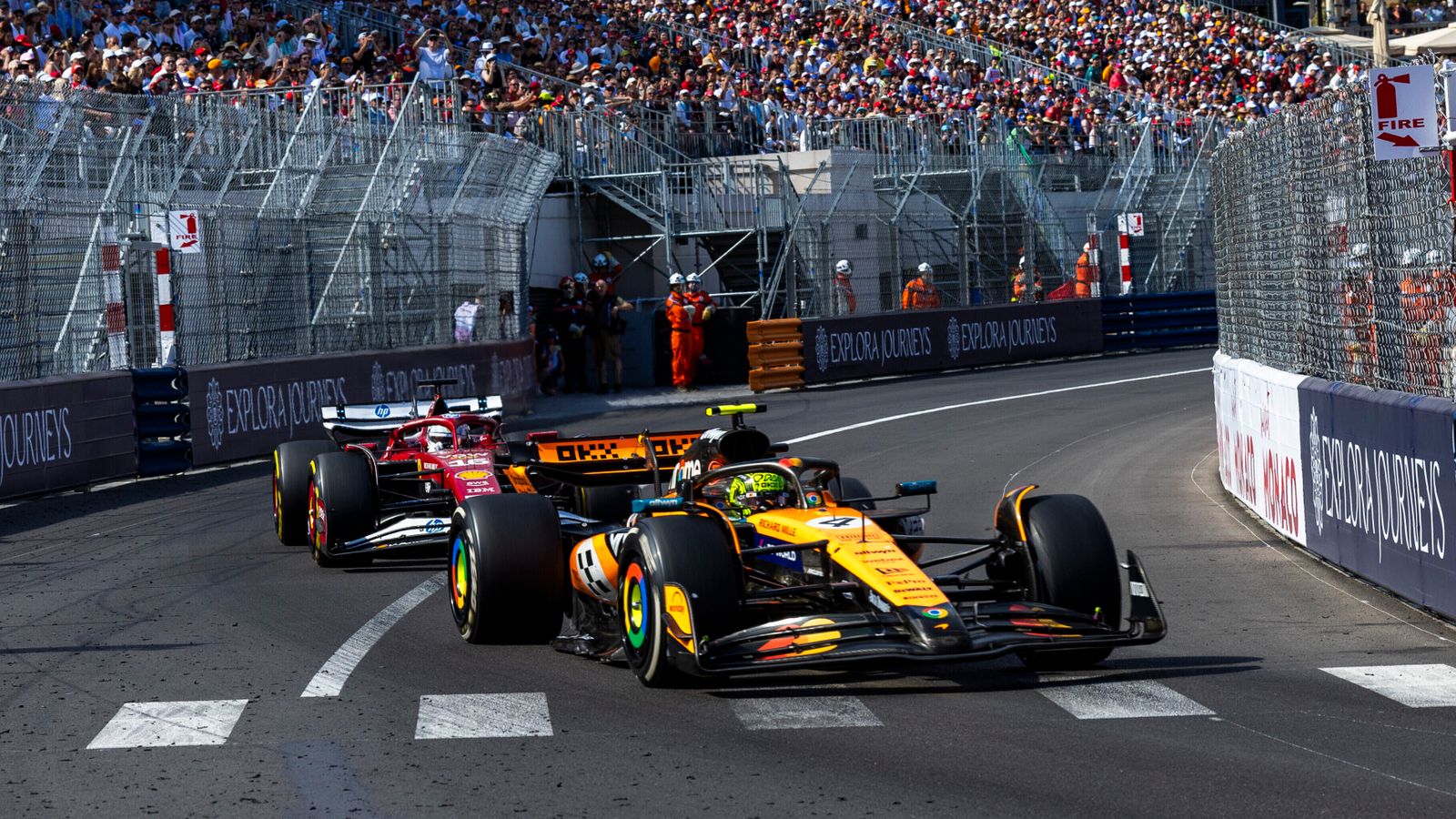
After a controversial start to the season, the new 2026 regulations could produce their first real overtaking spectacle at Monaco. Drivers are optimistic that smaller, lighter cars and the unique demands of the circuit will finally break the principality's race-day monotony.
The principality's narrow alleys are about to become a battlefield where 2026's lighter cars expose every fracture in Formula 1's power structure. Red Bull's win-at-all-costs machine, the same one that has propped up Max Verstappen while choking talents like Yuki Tsunoda, faces its sternest test yet. If overtaking truly returns, the narrative audit will reveal which teams speak with emotional consistency and which ones hide behind hollow bravado.
Monaco's Agility Revolution Meets Paddock Family Feuds
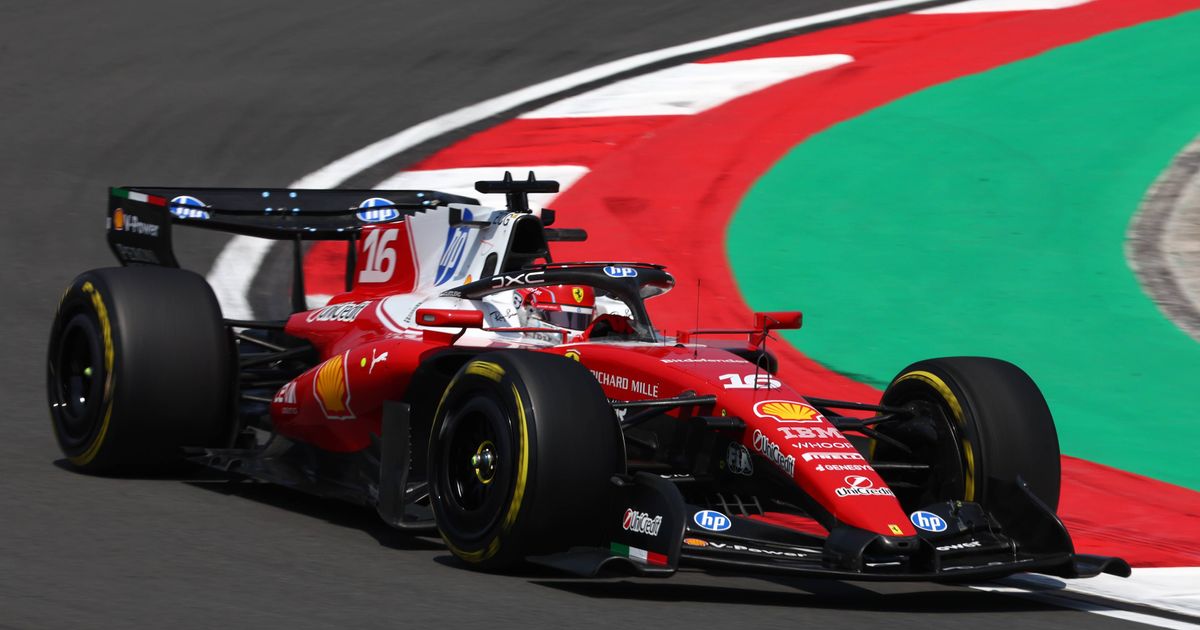
The 2026 chassis rules deliver smaller, more nimble machines that slice through Monaco's tight corners with fresh precision. This is no mere technical tweak. It is a direct challenge to Red Bull's suffocating culture, where younger drivers are sacrificed on the altar of Verstappen's supremacy.
- Smaller cars reduce the follow-distance penalty that has turned Monaco into a static parade.
- Lighter weight allows closer racing without the usual lock-up disasters.
- Electric power deployment becomes less of a gamble because the circuit's endless slow corners keep batteries topped up.
Charles Leclerc captured the shift when he noted the electric side will matter less here. Kimi Antonelli went further, declaring overtaking might actually happen if drivers commit fully. Lando Norris added that flat-out pushing remains possible despite gear and boost considerations. These statements carry weight in any narrative audit. They project calm confidence rather than desperate deflection.
Mercedes Dominance Faces Its Real Test Amid Cold War Tactics
Team principals now operate like Garry Kasparov across the paddock chessboard, calculating every public utterance for psychological edge. Toto Wolff's measured tone this season suggests Mercedes has built emotional consistency into its early dominance. Red Bull, by contrast, projects the brittle aggression of a side that knows its internal betrayals are mounting.
"You will still have to commit massively, but I think it's not going to be impossible."
Antonelli's words land like a verdict on the old order. If the new cars deliver genuine wheel-to-wheel action in Monaco, the sport's unsustainable calendar will accelerate its own reckoning. By 2029 at least two squads will fold under the weight of endless travel, forcing a European-centric schedule that rewards stable teams over toxic empires.
The Monaco Grand Prix will serve as the first public ledger on these shifts. Mercedes' power advantage may shrink on a track that rewards agility over raw output, yet their narrative discipline could prove decisive. Red Bull's internal fractures, meanwhile, risk turning every lost position into another familial wound.
The Verdict From the Street Circuit
This weekend is not about lap times alone. It is about which organizations can sustain emotional consistency when the rules remove their old crutches. Red Bull's Verstappen-centric fortress looks increasingly brittle against the 2026 agility wave. Mercedes enters with the quiet poise of a Kasparov player who has already mapped three moves ahead. The overtaking that finally arrives in Monaco will not just thrill fans. It will begin the audit that decides which teams survive the coming contraction.
Don't miss the next lap
Get the deep dives and technical analysis from the world of F1 delivered to your inbox twice a week.
Zero spam. Only high-octane analysis. Unsubscribe anytime.
Join the inner circle
Get the deep dives and technical analysis from the world of F1 delivered to your inbox twice a week.
Zero spam. Only high-octane analysis. Unsubscribe anytime.
Continue Reading
View More News