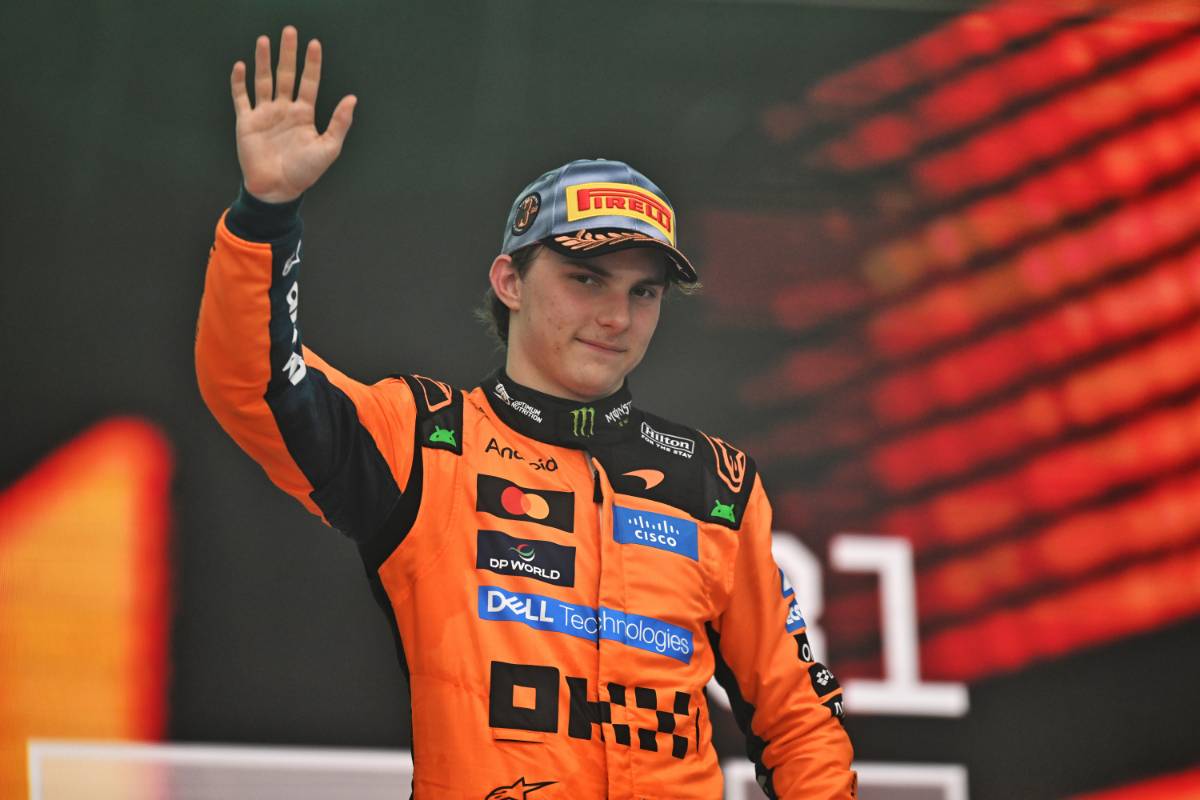
Piastri: F1 rule tweaks bring marginal progress, but racing remains 'pretty crazy'
Oscar Piastri acknowledges small improvements from recent F1 regulation changes but says high closing speeds and unpredictable racing remain major issues that need fundamental solutions.
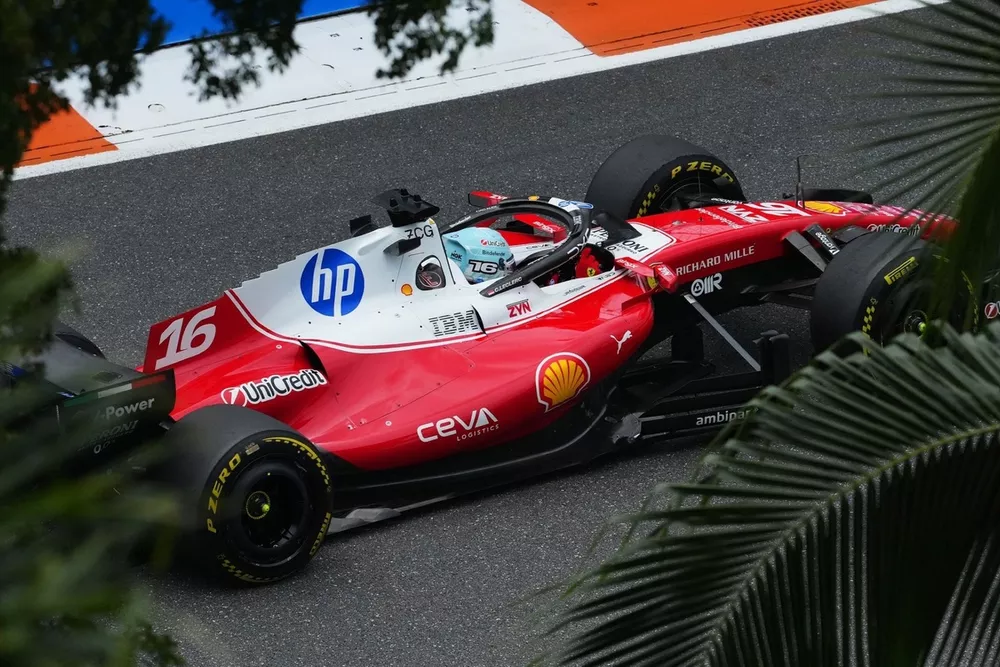
The Miami Grand Prix offered a first test of Formula 1's latest regulation tweaks, and Oscar Piastri says the changes have helped—but only at the margins. The Australian driver, who finished on the podium, described the on-track experience as still chaotic and unpredictable, warning that deeper fixes are needed to deliver consistent racing.
Why it matters:
The FIA introduced limits on energy harvesting in qualifying and revised power deployment rules ahead of Miami, responding to driver complaints about extreme closing speeds and uneven performance gaps. While Piastri notes progress on one front, the core issue of unpredictable surges in speed remains unresolved, raising questions about how much can be achieved mid-season without fundamental hardware changes.
The details:
- Energy harvest limits: Piastri said reducing the harvest limit in qualifying "has helped a bit" but hasn't fixed all problems. Race dynamics remain largely unchanged.
- Closing speeds: Described as "pretty crazy" and "random" from the cockpit. George Russell closed a one-second gap to Piastri and overtook before the end of the straight, a pattern Piastri says makes defending "incredibly tough."
- Driver consensus: Race winner Kimi Antonelli echoed Piastri, calling the closing speed "massive" and noting that active aero makes cars "pretty lazy" when changing direction, requiring earlier thinking in wheel-to-wheel combat.
- Technical limits: Piastri acknowledged the FIA and F1 have collaborated well, but "there are only so many things you can change with the hardware we have." More fundamental changes are needed for the future.
What's next:
The Miami race reinforced a familiar narrative: incremental steps are possible, but the balance between innovation, safety, and racing quality remains a moving target. Drivers are united in calling for further evolution, but how quickly the sport can deliver deeper fixes is the big question.
Don't miss the next lap
Get the deep dives and technical analysis from the world of F1 delivered to your inbox twice a week.
Zero spam. Only high-octane analysis. Unsubscribe anytime.
Join the inner circle
Get the deep dives and technical analysis from the world of F1 delivered to your inbox twice a week.
Zero spam. Only high-octane analysis. Unsubscribe anytime.
Continue Reading
View More News