Piastri: McLaren were 'overly optimistic' before Mercedes' dominant qualifying
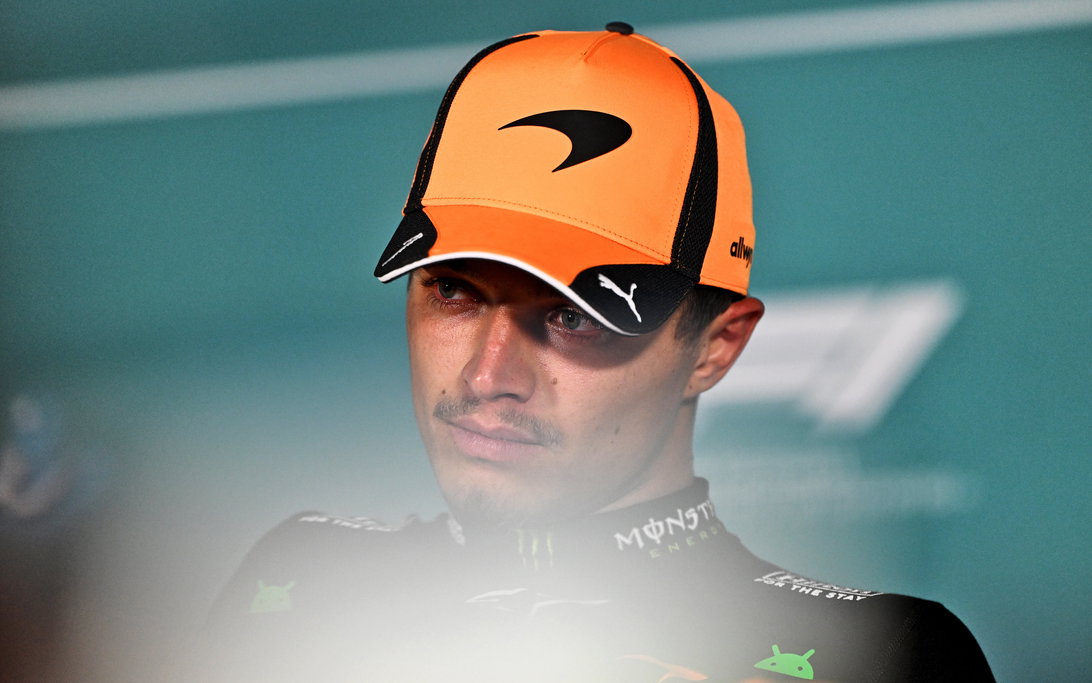
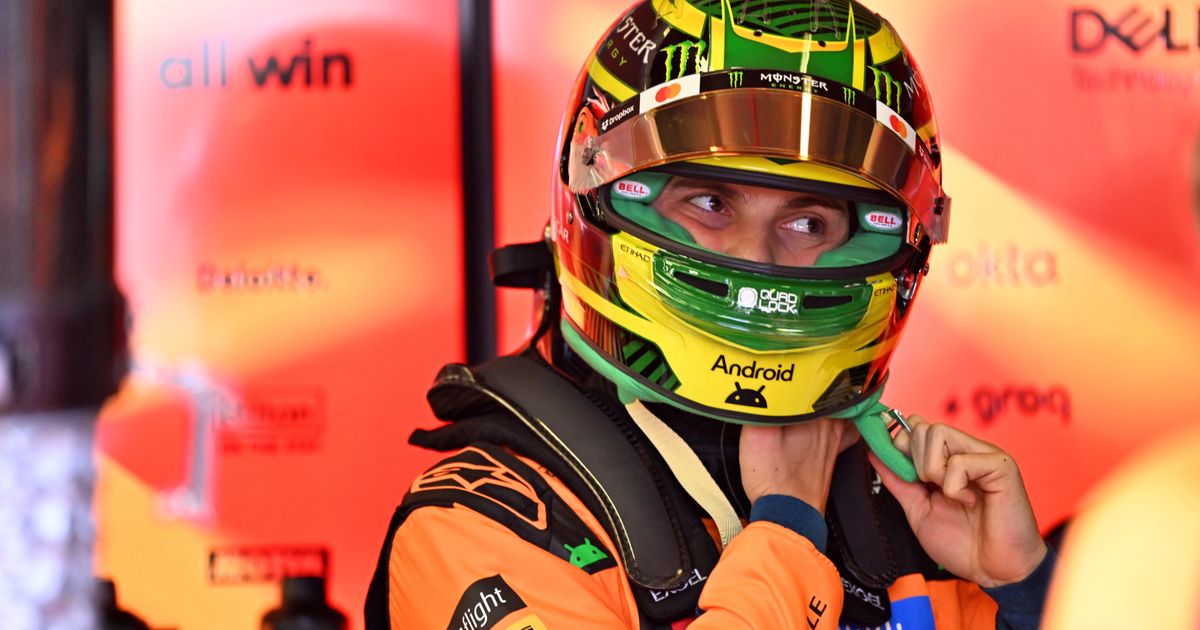
Oscar Piastri says McLaren were "overly optimistic" after practice, shocked by Mercedes' massive one-second qualifying advantage in Melbourne. He highlighted straight-line speed deficits and the complex challenge of extracting pace from the 2026 cars, which require heavy energy management and lift-and-coast tactics.
Oscar Piastri conceded McLaren were "overly optimistic" about their pace ahead of Australian Grand Prix qualifying, expressing surprise at the sheer size of Mercedes' advantage after a dominant front-row lockout. The Australian, who topped second practice, could only manage fifth on the grid, nearly a full second off George Russell's pole time, highlighting a significant and unexpected performance gap.
Why it matters:
Mercedes' staggering one-second qualifying margin over the nearest non-Mercedes car signals a potentially massive early advantage under the new 2026 regulations. For rivals like McLaren, who believed they were in the fight, the scale of the deficit raises immediate questions about their car's fundamental performance and the challenges of adapting to the complex new power unit and energy management rules.
The details:
- After leading FP2, Piastri qualified fifth, with teammate Lando Norris sixth. George Russell took pole by eight-tenths over the next best non-Mercedes car.
- Piastri admitted the team's Friday running "painted an overly optimistic picture" and that they felt out of contention after final practice.
- Straight-Line Deficit: The McLaren driver identified straight-line speed as the "by far the biggest thing" holding them back after FP3, a gap they need to urgently understand.
- Lack of Progression: Piastri noted a key issue was his inability to find significant lap time gains through the qualifying session, unsure if it was a car or driver limitation.
- Car Challenges: He described the process of extracting pace as "complex," stating that the natural way to go faster doesn't work with the new cars, requiring more restraint and study.
The big picture:
The performance gap has amplified driver complaints about the 2026-spec cars. While not as scathing as teammate Norris—who called them "probably the worst" after the "best cars ever made"—Piastri confirmed significant challenges.
- He explained tracks are now split between "energy-starved" and "energy-rich" circuits, with Melbourne falling into the former category, making power unit limitations glaringly obvious.
- During his qualifying lap, Piastri reported having to lift and coast three times and use two energy recovery 'superclips,' while dealing with effectively 450 horsepower less in some corners.
- This underscores a fundamental tension in the new regulations between outright performance and stringent energy management, which Mercedes appears to have solved more effectively at this initial stage.
What's next:
The focus shifts to the grand prix to see if Mercedes can convert its qualifying supremacy into a race-winning pace, or if energy management and tire wear will level the playing field.
- For McLaren and other teams, the immediate task is data analysis to comprehend the straight-line speed and energy deployment deficits.
- The driver feedback paints a clear picture of cars that are difficult and unintuitive to drive at the limit. How quickly teams and drivers can adapt to these new complexities will define the early phase of the 2026 season.
- The "two categories" of tracks Piastri mentioned suggest the competitive order could fluctuate dramatically from circuit to circuit, making consistency a huge challenge.
Don't miss the next lap
Get the deep dives and technical analysis from the world of F1 delivered to your inbox twice a week.
Zero spam. Only high-octane analysis. Unsubscribe anytime.
Join the inner circle
Get the deep dives and technical analysis from the world of F1 delivered to your inbox twice a week.
Zero spam. Only high-octane analysis. Unsubscribe anytime.