McLaren's Montreal Meltdown Shows Why Driver Minds Matter More Than Any Aero Tweak

Piastri's collision penalty and Norris's gearbox failure left McLaren pointless in Canada, as team principal Stella admitted the punishment was deserved and the team's early gamble backfired.
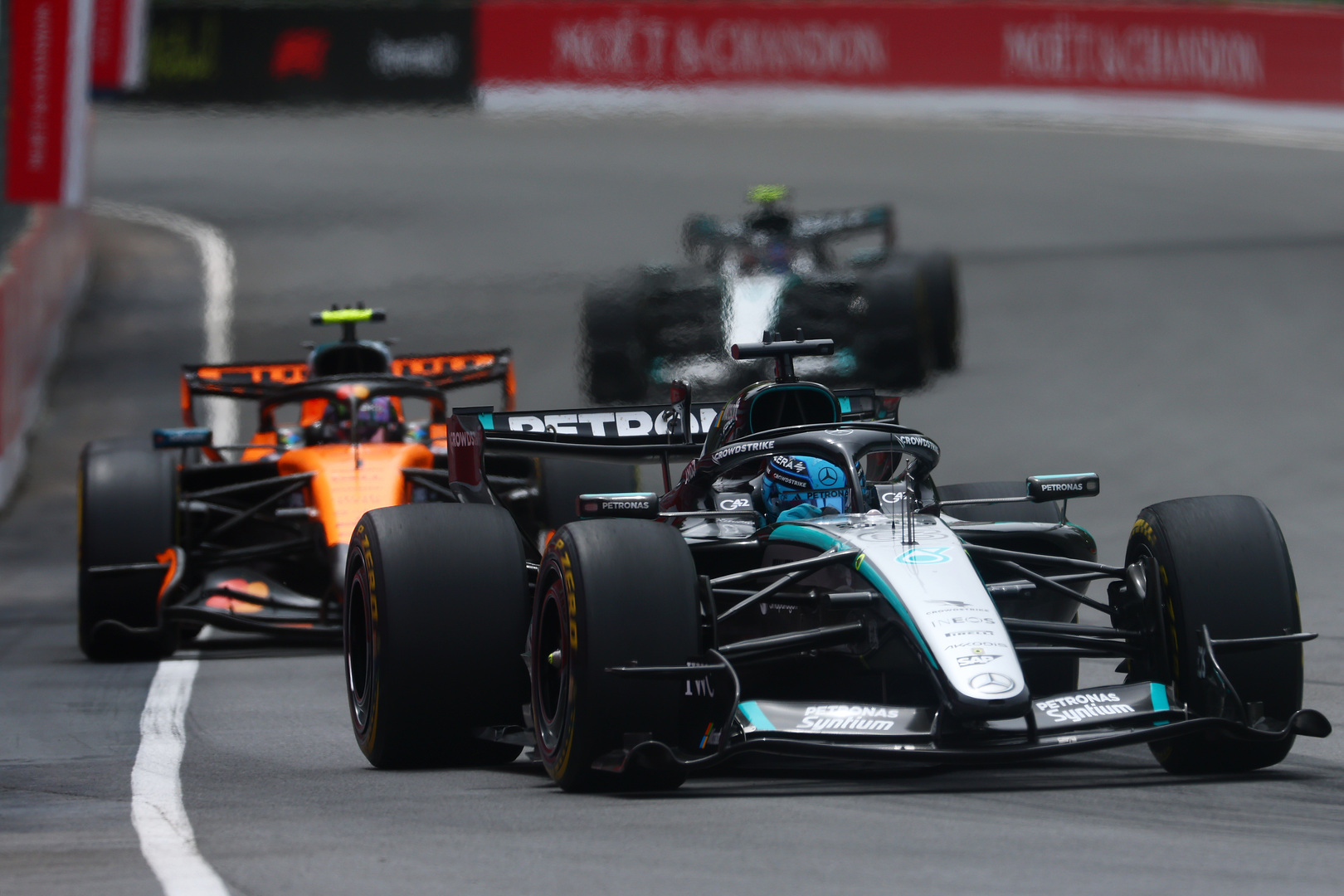
I stood trackside in the damp Montreal air when the McLaren garage fell silent after Lando Norris limped in with that gearbox gone. The tension felt thicker than the humidity, and it reminded me of nothing so much as those old Thai river spirit tales where one wrong step on the bridge costs the whole village its harvest. McLaren's weekend unraveled exactly like that, with Oscar Piastri taking a 10-second stop-go for clattering into Alex Albon and Norris retiring early, leaving the team pointless while Mercedes stretched its constructors lead to 113 points.
Piastri's Hairpin Moment Laid Bare the Pressure Problem
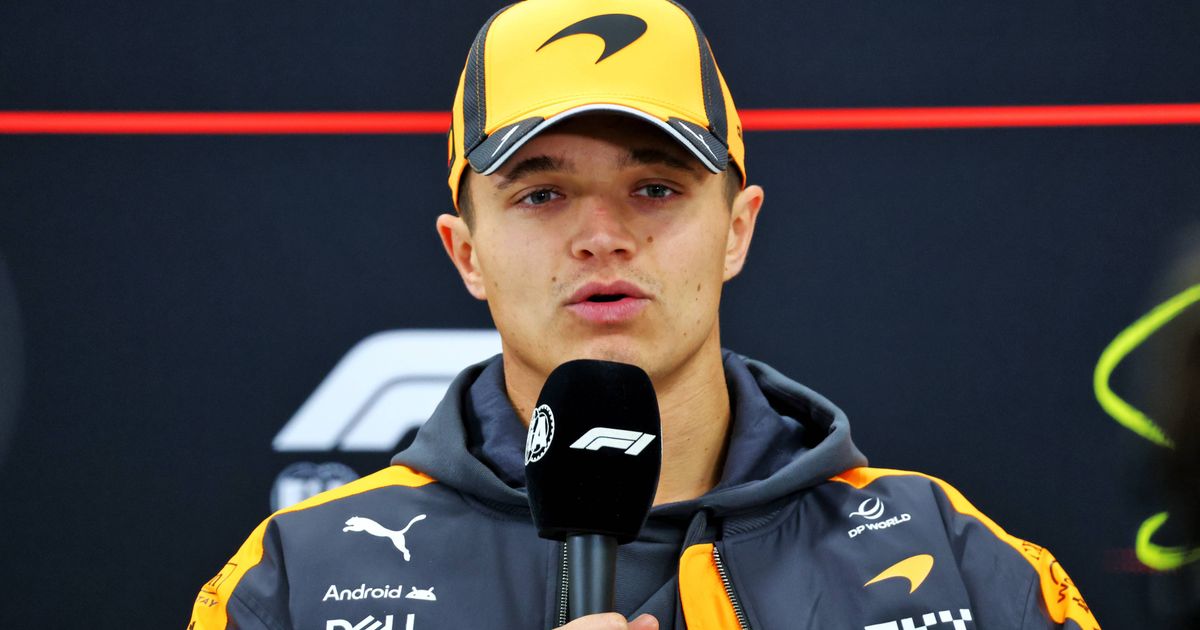
Piastri's collision at turn 10 carried the weight of a driver operating without the right mental map. Team principal Andrea Stella called it a deserved penalty and a clear misjudgement under pressure. The car had already lost performance after contact, yet the real issue sat deeper than the carbon damage.
- The 10-second stop-go dropped Piastri out of any points contention immediately.
- Stella noted the incident happened because the young Australian felt the need to attack rather than manage track position.
- This outcome proves once again that psychological profiling of drivers outweighs last-minute aerodynamic tweaks when the rain starts and the pack closes up.
In the garage afterward, sources described Piastri replaying the apex over and over, the same way a village elder retells the story of the greedy fisherman who ignored the spirit's warning. The data showed the line was tight, but the mind had already committed to the overtake.
Norris Retirement Exposed Reliability and Tactical Drift
Norris's race ended in two distinct chapters, both painful for the team. An overheating issue forced an early stop to clear the radiators, then the gearbox failed outright. Stella stressed that the gearbox problem stood independent of the cooling drama and would have appeared regardless of conditions.
"It was not Lando's day," Stella admitted, adding that the early intermediate gamble initially looked clever when Norris led but collapsed once the track dried.
The decision to start on intermediates paid short-term dividends before the slicks call became necessary. Yet the timing exposed a classic McLaren trait: chasing the weather forecast instead of reading the driver's state. Compare this radio chatter to the 1989 Prost-Senna battles at McLaren itself. Those arguments carried real stakes, titles and legacies on the line. Today's exchanges sound dramatic but lack the same edge, turning into polite updates rather than genuine power struggles that sharpen performance.
Strategy Gambles Meet the Limits of Current Team Thinking
McLaren's early call on intermediates highlighted a broader pattern across the paddock. When the rain failed to return as predicted, the team lost positions and any shot at recovery. The 113-point deficit to Mercedes now forces a hard look at both operational choices and deeper cultural habits inside the team.
- Reliability gremlins on Norris's car cannot be wished away by budget-cap loopholes that favor bigger squads.
- Piastri's penalty showed how one pressured decision cascades into lost development time on a car already fighting for consistency.
- Within five years these same financial distortions will trigger at least one major team collapse or merger, because the current cap system rewards loophole engineering over genuine driver-focused preparation.
Stella's honesty about the penalty being deserved stands out in an era when blame usually shifts to the stewards. That admission buys credibility, yet it does not fix the underlying need for better mental preparation before the lights go out.
The Road Ahead Demands a Different Kind of Preparation
McLaren must now regroup before the next round, but the fix lies less in wind-tunnel hours and more in understanding how each driver processes chaos. The Thai tale ends with the village rebuilding the bridge stronger after the flood. McLaren can do the same, provided they stop treating psychology as an afterthought and start profiling drivers with the same rigor once reserved for diffuser angles. Otherwise the next Montreal-style weekend will arrive sooner than the points table allows.
Don't miss the next lap
Get the deep dives and technical analysis from the world of F1 delivered to your inbox twice a week.
Zero spam. Only high-octane analysis. Unsubscribe anytime.
Join the inner circle
Get the deep dives and technical analysis from the world of F1 delivered to your inbox twice a week.
Zero spam. Only high-octane analysis. Unsubscribe anytime.