Piastri sees 2026 F1 rule tweaks as step in right direction
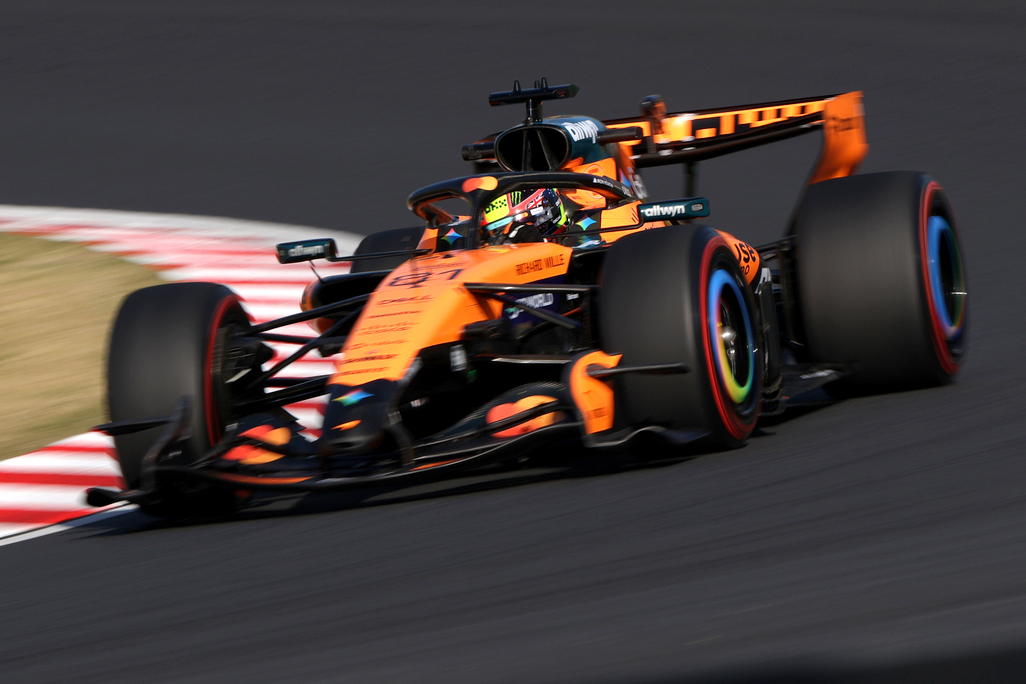
Oscar Piastri calls the 2026 F1 power unit regulation tweaks a step forward but expects more changes. He praises the unprecedented collaboration between drivers, teams, the FIA, and F1 to quickly address initial concerns with the new formula ahead of its Miami GP introduction.
McLaren driver Oscar Piastri views the upcoming 2026 Formula 1 power unit regulation tweaks as a positive step, though he anticipates further refinements will be necessary. He highlighted the rapid collaboration between drivers, teams, and the sport's governing bodies as the most encouraging aspect of the process.
Why it matters:
The 2026 regulations represent a major technical shift, and getting the initial framework right is crucial for competitive racing and sustainable development. Early feedback and adjustments from current drivers are vital to ensure the new rules create the intended racing product without unintended consequences that could take years to correct.
The details:
- The regulation refinements, set for introduction at the Miami Grand Prix, aim to address specific concerns with the new power unit formula.
- Key changes include increasing the super clipping power from 250 kW to 350 kW, which reduces the time needed to recharge the battery during a lap.
- The maximum recharge limit per lap is being reduced from 8 MJ to 7 MJ to prevent excessive energy harvesting strategies that could negatively affect racing.
- A new 'low power start detection' system will be introduced to trigger a minimum acceleration level if a car bogs down at the race start, aiming to improve start procedures.
- Piastri admitted the rules remain complex and that with the new hybrid engines, "there's always going to be a compromise somewhere."
What's next:
The true test of these adjustments will come when they are implemented on track in Miami and beyond.
- Piastri believes that while the direction is correct, further tweaks are likely needed and may be implemented in the 2025 season or later.
- The effectiveness of the new low-power start system and the revised energy management parameters will be closely watched by teams and drivers.
- The collaborative model used to develop these mid-cycle changes could set a precedent for how F1 addresses future regulatory challenges.
Don't miss the next lap
Get the deep dives and technical analysis from the world of F1 delivered to your inbox twice a week.
Zero spam. Only high-octane analysis. Unsubscribe anytime.
Join the inner circle
Get the deep dives and technical analysis from the world of F1 delivered to your inbox twice a week.
Zero spam. Only high-octane analysis. Unsubscribe anytime.
Continue Reading
View More News