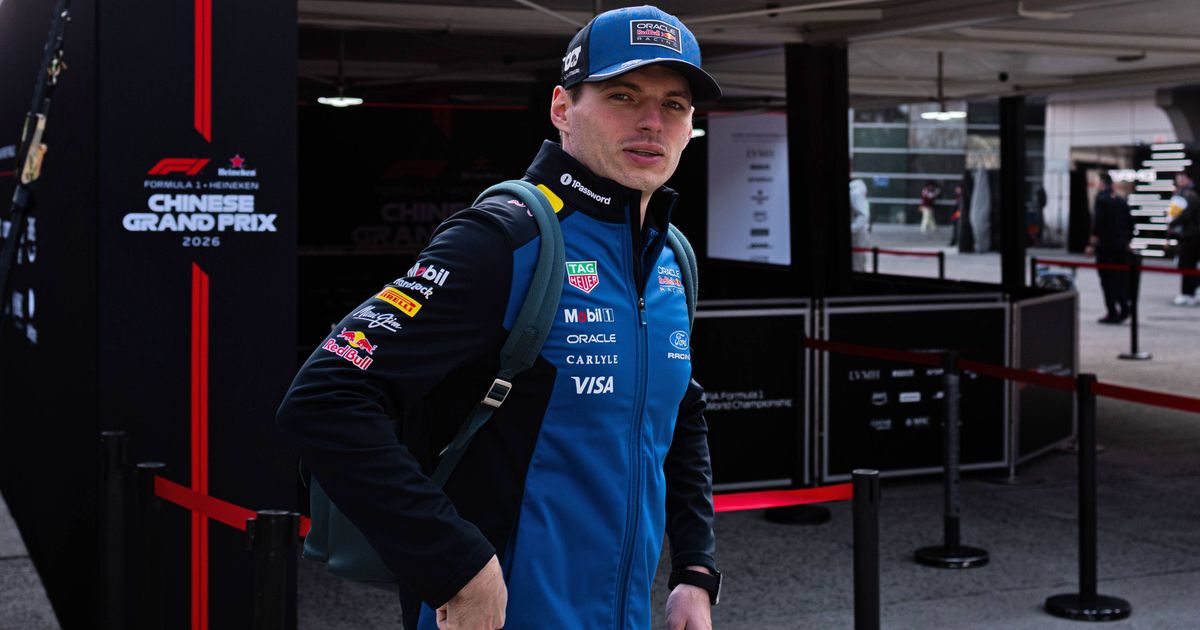
Piquet Jr: Verstappen's criticism stems from his car, not the rules
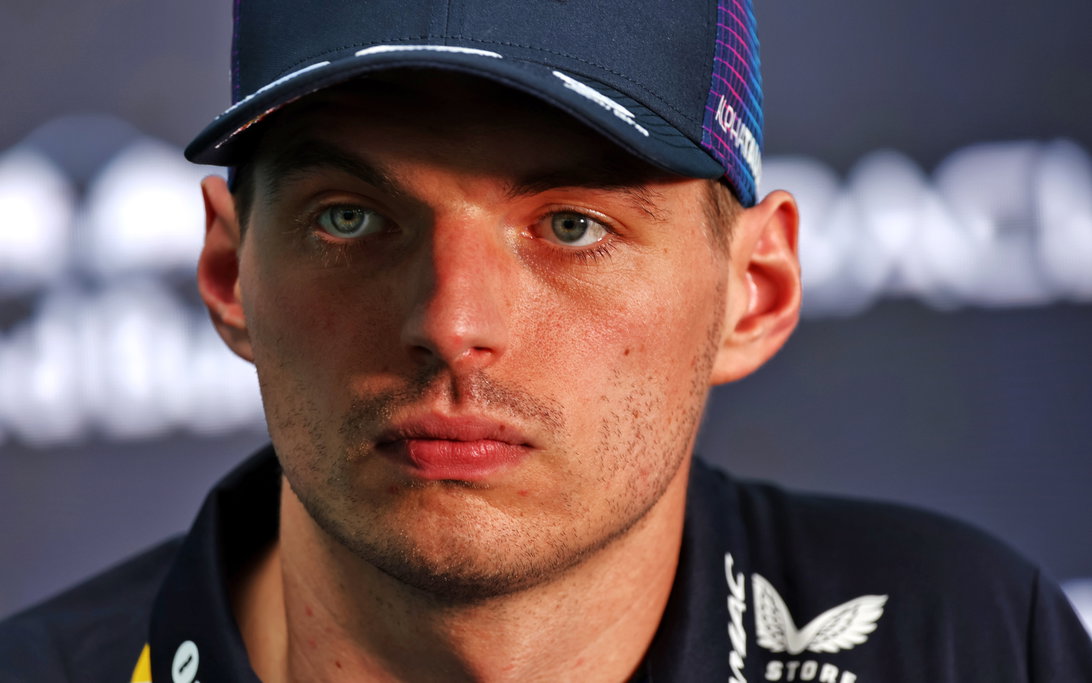
Nelson Piquet Jr. claims Max Verstappen's criticism of F1's new rules is because he's not in the fastest car, stating he'd be "very quiet" if driving for Mercedes. The remarks add context to Verstappen's discontent and the complex barriers—including George Russell's status and contract—to any potential blockbuster team switch.
Nelson Piquet Jr. suggests Max Verstappen's vocal criticism of Formula 1's new regulations is directly tied to his current competitive position with Red Bull, arguing the reigning champion would be silent if he were driving a dominant Mercedes. The comments come amid persistent rumors about Verstappen's future and highlight the complex dynamics any potential move to Mercedes would entail, with former Haas boss Guenther Steiner outlining significant contractual and sporting hurdles.
Why it matters:
Verstappen has been one of the most prominent critics of F1's 2026 regulatory overhaul, frequently expressing concerns about the proposed car concept and potential racing quality. Piquet's claim—that this stance is situational rather than philosophical—touches on the perennial debate about whether drivers' public opinions are shaped by pure sporting ethics or their immediate competitive advantage. Furthermore, linking this to the Mercedes speculation frames Verstappen's discontent within the larger context of his future, making his criticisms a potential lever in the driver market.
The details:
- Piquet Jr., a former F1 driver and brother-in-law to four-time champion Nelson Piquet, stated on the Pelas Pistas podcast that Verstappen's nature is to seek dominance.
- He argued that if asked, Verstappen would prefer a championship clinched with five races to spare over one won at the final round, implying the driver's ultimate goal is control, not drama.
- The Mercedes Angle: Piquet's hypothetical directly fuels ongoing speculation about Verstappen replacing George Russell at Mercedes, a move seen as increasingly plausible given the instability at Red Bull.
- Significant Hurdles: Guenther Steiner, quoted in the same report, pointed out two major obstacles for such a swap.
- First, George Russell is viewed internally as a future world champion, making the sporting case for replacing him very difficult for Mercedes management.
- Second, Russell's contract is believed to contain clauses that would make it nearly impossible for Mercedes to drop him if he wins a title, adding a legal and financial barrier.
The big picture:
The narrative intertwines a driver's on-track complaints with off-track maneuvering, a classic F1 trope. Verstappen's criticisms are now being interpreted not just as feedback on the sport's direction but as a signal of his personal satisfaction within his current team. As the 2026 regulations solidify, the alignment between a driver's vision and a team's capability will become a critical factor in contract negotiations. Piquet's blunt assessment underscores that in F1, performance is the ultimate truth, and opinions often follow competitive fortune.
What's next:
All eyes remain on Verstappen's commitment to Red Bull for 2025 and beyond. His public comments on the 2026 rules will continue to be scrutinized for subtext about his happiness and long-term plans. Meanwhile, Mercedes must carefully weigh the tantalizing prospect of signing the sport's best driver against the cost of sidelining a proven talent in Russell who is on the cusp of his prime. The driver market, simmering now, will reach a boiling point as teams finalize their 2026 chassis and power unit plans.
Don't miss the next lap
Get the deep dives and technical analysis from the world of F1 delivered to your inbox twice a week.
Zero spam. Only high-octane analysis. Unsubscribe anytime.
Join the inner circle
Get the deep dives and technical analysis from the world of F1 delivered to your inbox twice a week.
Zero spam. Only high-octane analysis. Unsubscribe anytime.
Continue Reading
View More News