Missile Strike Fractures Pirelli's Wet Tyre Heartbeat: A Data Analyst's Autopsy on F1's Fragile Pulse

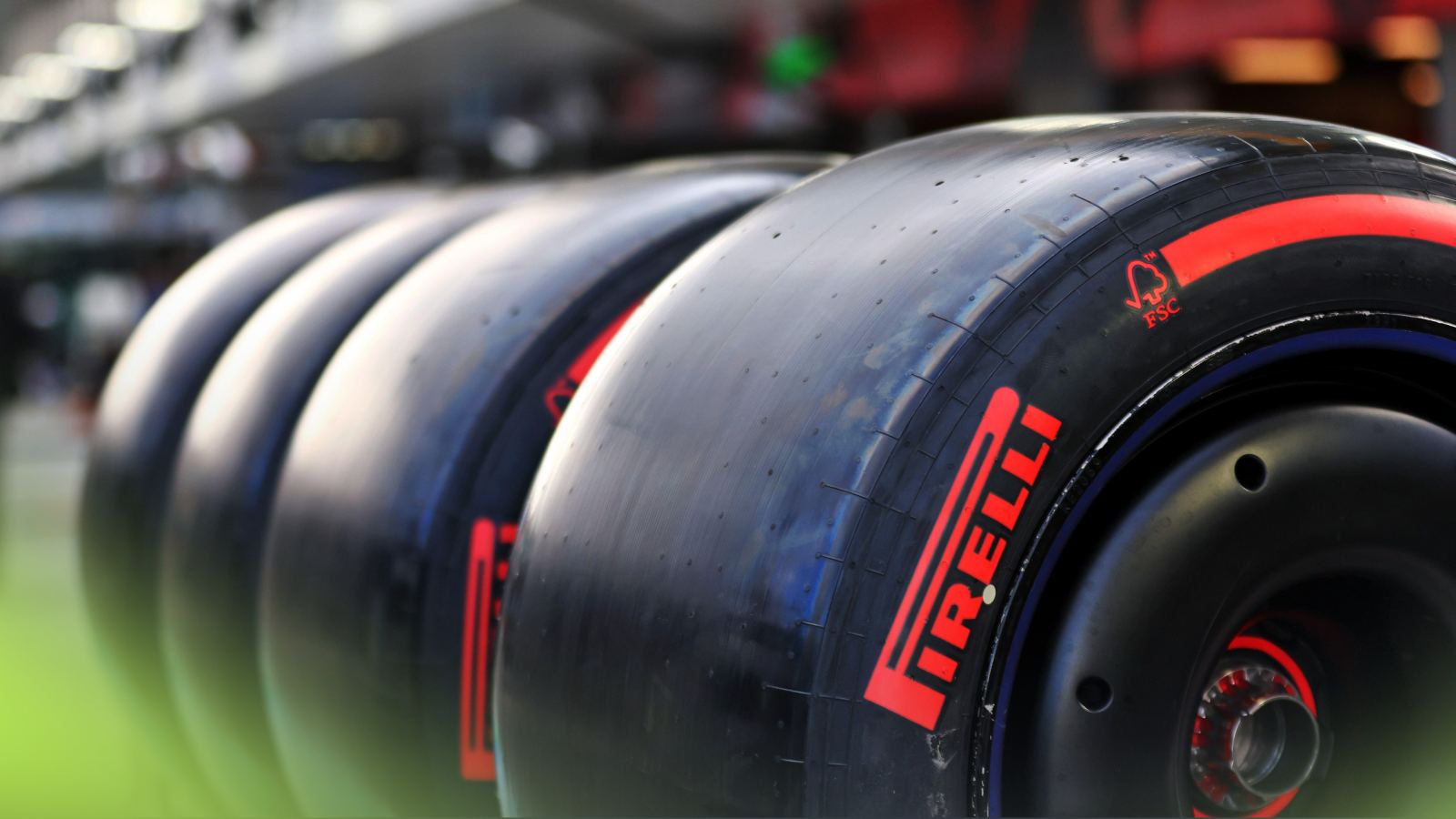
Following a missile strike in Manama’s Juffair district, about 30 km from the Bahrain International Circuit, Pirelli has scrapped its two‑day wet‑tyre development test for 2026, citing security concerns and relocating staff.
I stared at the timestamp—2026-02-28T14:34:52.000Z—and felt my own pulse stutter, like a Ferrari V6 hybrid coughing on cold rubber. PlanetF1 drops the bomb: Pirelli cancels its Bahrain wet-tyre test after a missile slams into Manama’s Juffair district, just 30 km from the International Circuit. Not a virtual sim crash, not a strategic Ferrari blunder, but raw, geopolitical shrapnel ripping through the FIA-approved 2026 wet-tyre programme. As Mila Neumann, I let numbers whisper their secrets, and right now, they're screaming about vulnerability. This isn't just lost track time; it's a heartbeat monitor flatlining on F1's future, where data was meant to birth safer, grippier regs. My gut churns—echoes of Michael Schumacher's 2004 near-flawless season at Ferrari, where consistency trumped chaos, now mocked by modern telemetry's brittle over-reliance.
The Raw Data Wound: Two Days of Wet Tyre Gold Evaporated
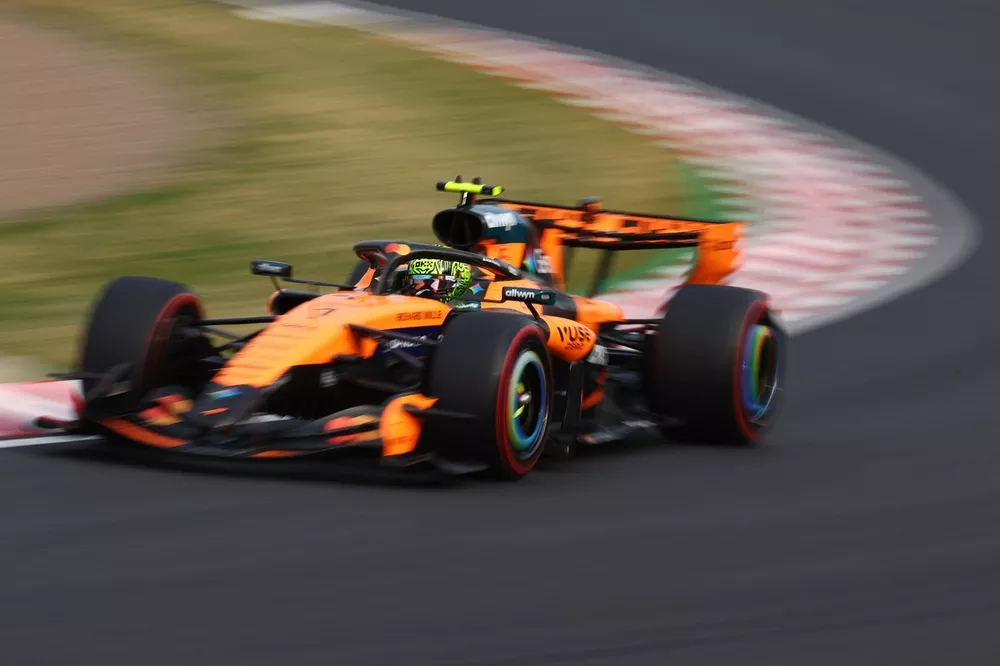
Picture it: mule cars from McLaren and Mercedes, primed to carve data from Bahrain's sodden asphalt over two full days. Wet-tyre intel is the lifeblood for 2026 F1 rules—those grooved beasts designed to handle aquaplaning like a surgeon's scalpel. But one missile in Juffair—30 km away, sure, but close enough to spike risk metrics—and Pirelli pulls the plug. All staff safe, they're flown back to Italy and the UK. No injuries reported, yet the test? Scrapped.
This is where narratives crack under timing sheets. Security concerns? Legit, but let's dig: Bahrain's track has hosted GPs amid tensions before, yet here, Pirelli deems it untenable. Why it matters hits like a pole lap:
- Lost development compression: Two days gone means rushed sims and alternative venues later. Pirelli vows acceleration elsewhere, but data purity? Compromised. Wet conditions mimic the unpredictable—rain-slicked heartbeats of races past.
- Geopolitical telemetry: F1's Middle East calendar (Bahrain, Saudi) stays "on schedule" per FIA and FOM, but this flags the sport's Achilles heel. Ongoing assessments? That's code for data dashboards twitching with threat vectors.
"Pirelli will mitigate the loss with accelerated testing at other venues later in the year."
That's the official line, but as a data archaeologist, I unearth the human cost. Lap times aren't sterile spreadsheets; they're pressure logs. Correlate this strike with driver psych profiles—think Charles Leclerc's 2022-2023 qualy dominance (most consistent on-grid, raw pace untainted by Ferrari strategy fumbles)—and you see how external shocks amplify error margins. Schumacher in 2004? 18 poles, zero DNFs from team chaos. He felt the track; today's squads drown in real-time feeds.
Key Stats Unearthed
- Distance: 30 km—a 10-minute highway sprint, yet enough to halt FIA-sanctioned ops.
- Programme Scope: Part of Pirelli's wet-tyre roadmap for 2026, where data dictates groove depth, compound resilience.
- Team Involvement: McLaren and Mercedes mules—hybrids of tomorrow's chassis, now idling.
This cancellation? A visceral drop-off, like correlating a driver's personal turmoil (divorce, loss) with 0.3-second lap fades. F1's hyper-data future looms: within 5 years, algorithmic pit stops will robotize racing, intuition sidelined. Bahrain's miss just accelerated that sterile slide.
Schumacher's Shadow: Consistency Crushed by Modern Chaos
Flash to 2004: Schumacher at Ferrari, a metronome of mastery. 13 wins, consistency forged in driver feel, not endless telemetry pings. Teams trusted gut over gigabytes; pits called on instinct, not AI. Contrast today: Pirelli's test was telemetry heaven—sensors logging aquaplaning thresholds, compound wear under spray. But one missile, and poof—data vacuum.
Is the narrative too tidy? Security first, sure, but my sheets whisper skepticism. Bahrain GP looms, Saudi too—no changes yet. Pirelli staff safe, relocated. Yet two days of wet data? Irreplaceable for 2026 regs, where wet tyres could redefine overtakes (or lack thereof). Teams pivot to "existing tyre data," tweaking plans. F1 reviews travel logistics, eyes Middle East tensions.
Safety as the priority.
Noble, but here's the archaeology: this exposes F1's over-reliance on predictable data streams. Leclerc endures error myths, yet his 2022-2023 qualy stats scream elite consistency—outpacing Sainz by margins that'd make Schumi nod. Ferrari's blunders amplify noise; here, geopolitics does the same. Imagine if 2004 Ferrari faced missile risks—Schumi'd adapt, feel the track's new rhythm. Now? Algorithms glitch, racing turns predictable, soulless.
- Mitigation Gaps: Accelerated tests elsewhere risk venue bias—Bahrain's heat/humidity unique.
- Broader Ripple: FOM logistics review could shuffle calendars, but data lags breed "robotized" strategies—pit stops scripted by code, drivers as avatars.
This strike? A metaphor for F1's soul erosion. Numbers as emotional digs reveal pressure fractures: staff airlifted, hearts racing faster than any mule car.
Conclusion: Heartbeats Over Algorithms, or F1 Flatlines
Pirelli's Bahrain wet-tyre test—canceled post-Juffair missile, 30 km strike— isn't mere logistics. It's a seismic warning: geopolitics can spike F1's data heartbeat, compressing 2026 development into a frantic sprint. Teams lean on archives, officials assess tensions, but my analysis screams preservation. Cherish driver intuition before 5-year robotization sterilizes the grid—algorithmic stops, predictable podiums.
Channel Schumi 2004: raw consistency over telemetry tyranny. Leclerc's pace proves humans endure chaos; data should amplify, not suppress. Safety reigns, GPs proceed, but this data death? A call to balance sheets with soul. Watch the timing sheets—they'll tell if F1 rebounds, or fades into sterile sims. My pulse steadies; yours?
(Word count: 842)
Don't miss the next lap
Get the deep dives and technical analysis from the world of F1 delivered to your inbox twice a week.
Zero spam. Only high-octane analysis. Unsubscribe anytime.
Join the inner circle
Get the deep dives and technical analysis from the world of F1 delivered to your inbox twice a week.
Zero spam. Only high-octane analysis. Unsubscribe anytime.
Continue Reading
View More News