Pirelli Warns of 'Perfect Storm' for Wet 2026 Canadian GP
Pirelli engineer Simone Berra warns the 2026 Canadian GP could become a 'perfect storm' if rain hits due to low temperatures and new tyre regulations, potentially making full wet tyres faster than intermediates.
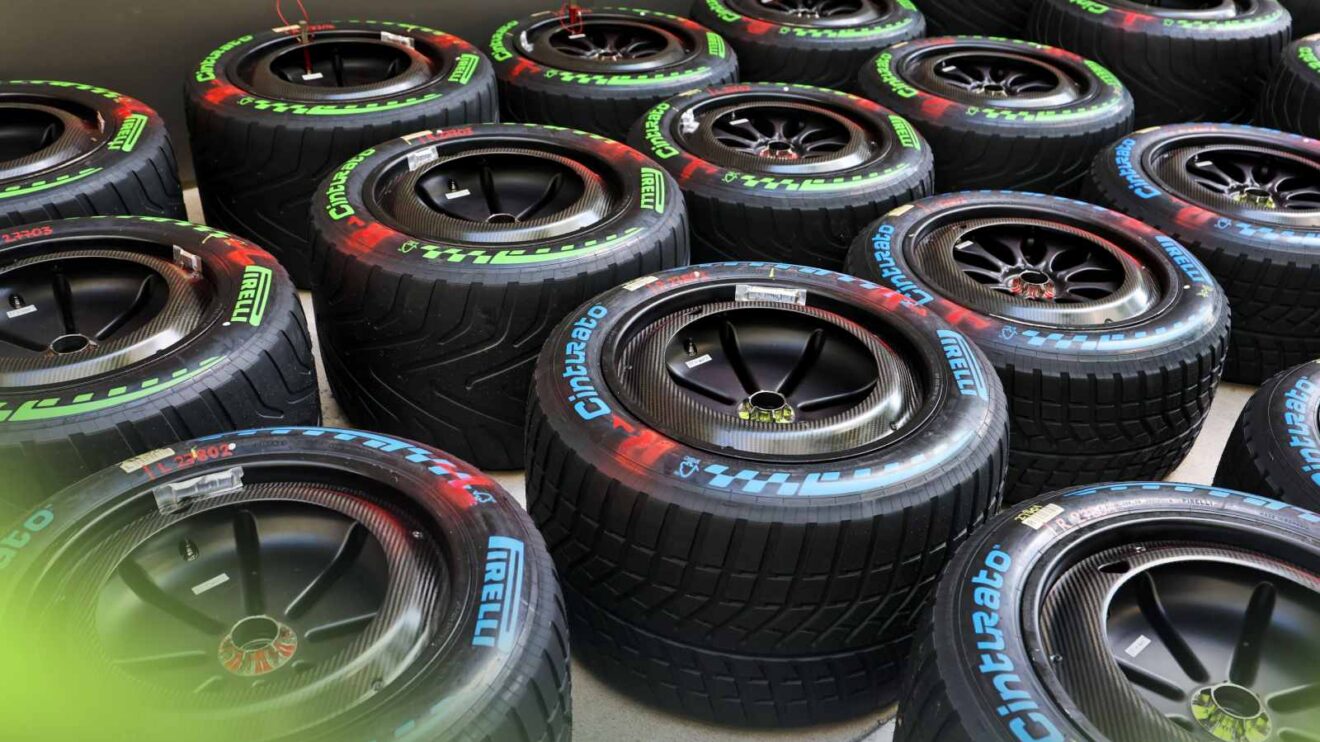
Pirelli chief F1 engineer Simone Berra believes a first wet race in this new regulation set at the Canadian GP would be a "perfect storm", considering the low temperatures in Montreal over the weekend. The Canadian Grand Prix has officially been declared a Rain Hazard event by the FIA, with a greater than 40% chance of wet weather during the race, and forecasts for light rain for most of the day. This situation presents a unique challenge for teams as they adapt to the new 2026 technical regulations.### Why it matters:This potential scenario challenges established wet-weather strategies, as cold track temperatures could force full wet tyres to perform better than intermediate compounds, reversing the traditional hierarchy where intermediates are usually preferred in cool conditions. The implications extend beyond a single race, potentially altering team strategy for the entire 2026 season if cold, wet conditions persist on low-energy circuits. Teams must be prepared for a significant shift in qualifying and race pace if the forecast holds true, as grip levels will be critical.### The Details:* Pirelli has not yet had the opportunity to utilize its new wet tyres this season, with wet-weather tyre testing having taken place up and down the grid at different times prior to this event.* Pierre Gasly, who completed wet running at Magny-Cours, warned drivers they would be "shocked" by how the new rubber handles in these specific conditions due to the low working range of the compound.* Lando Norris admitted he was "not looking forward to it" in wet conditions, adding that there could be a lot of chaos given drivers' differing knowledge levels of the 2026 compounds.* Pirelli has reduced the width of both the front and rear tyres heading into the 2026 season, which impacts grip levels significantly on low-grip surfaces.* Berra explained that with low temperatures set to combine with a low-grip surface and the possibility of rain, he would personally choose the full wet tyre over intermediates in such conditions.* Historical data from Haas shows full wets can be superior to intermediates in cold wet races, having gone faster for eight laps in a previous scenario two years ago.* Air temperatures are forecasted between 11 and 12 degrees Celsius, with track temps expected to match, creating a difficult environment for tyre warm-up.### What's next:Teams will face a critical decision on tyre choice as the weekend progresses, with the possibility of the full wet tyre being the fastest option despite its traditional reputation as a last-resort compound. The upcoming project 678 chassis direction might influence how teams approach these low-temperature wet scenarios, potentially shifting the competitive balance for the entire season. Weather updates will be closely monitored by strategists to determine if a switch to full wets is viable before the start of the race.
Don't miss the next lap
Get the deep dives and technical analysis from the world of F1 delivered to your inbox twice a week.
Zero spam. Only high-octane analysis. Unsubscribe anytime.
Join the inner circle
Get the deep dives and technical analysis from the world of F1 delivered to your inbox twice a week.
Zero spam. Only high-octane analysis. Unsubscribe anytime.
Continue Reading
View More News