Racing Bulls' Red Bull Alliance: Zak Brown's Letter Drags F1's Ownership Politics Back Into the Light

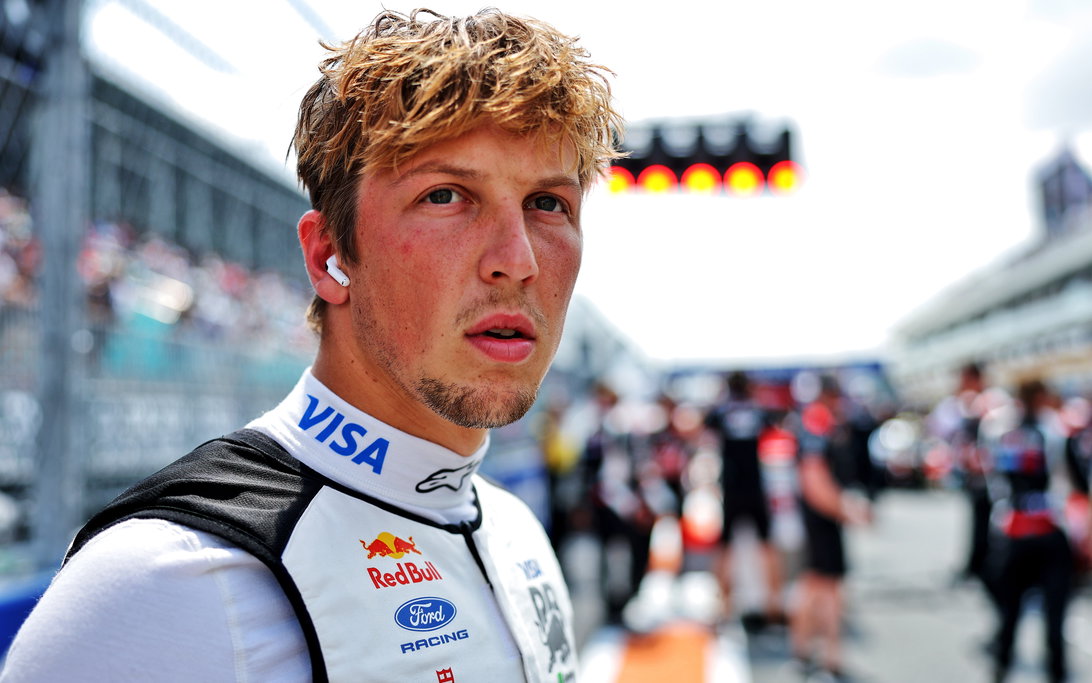
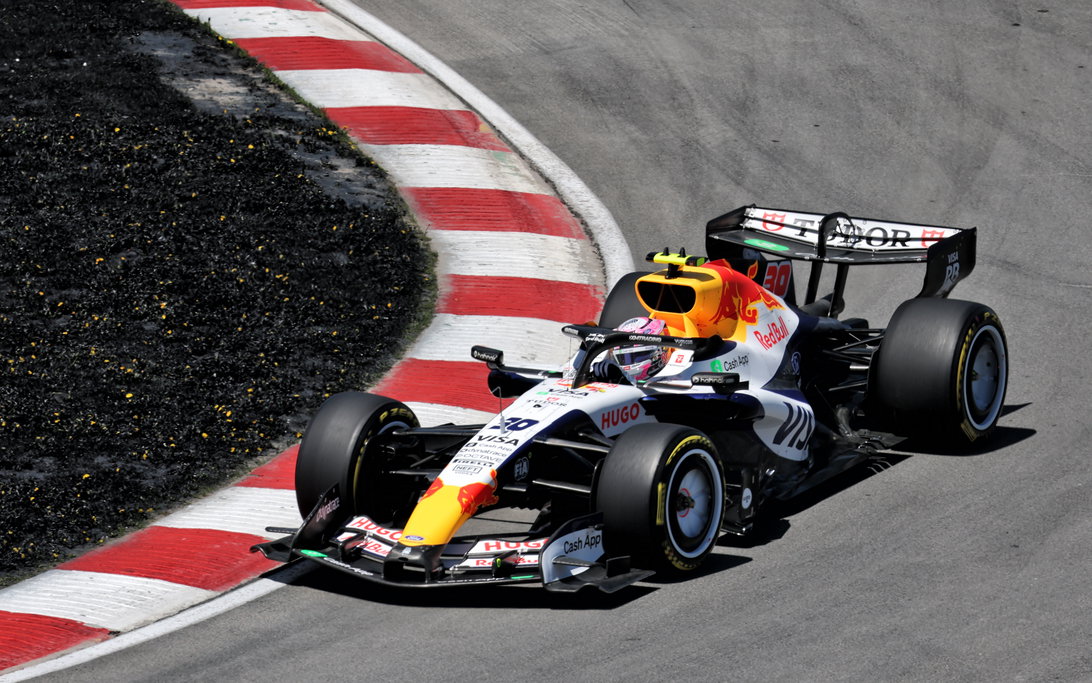
Racing Bulls' Alan Permane defends the team's close ties with Red Bull after McLaren CEO Zak Brown's letter to FIA alleging compromised sporting integrity, insisting they rigorously follow the rules.
The real battles in Formula 1 are never settled on the track. They unfold in boardrooms and back channels where one team's survival hinges on another team's goodwill, turning every shared gearbox into a loaded weapon. Zak Brown's recent letter to FIA president Mohammed Ben Sulayem simply drags that truth into daylight, exposing how Racing Bulls and Red Bull Racing operate less like partners and more like a family locked in a slow-motion divorce.
The Mechanics of Controlled Cooperation
Alan Permane's public defense reveals the careful tightrope these outfits walk. He insists the arrangement remains a straightforward customer-supplier deal, limited to suspension parts, gearboxes and other components explicitly permitted under the technical regulations. Yet the very need to emphasize rigorous compliance tells its own story.
- Permane contrasts the current setup with his earlier years at the independent Team Enstone, where fewer external loyalties demanded less defensive paperwork.
- Resources that could advance performance instead go toward proving the relationship stays within bounds.
- This administrative overhead becomes its own form of performance tax, one that interpersonal suspicion only inflates.
The immediate switch of Laurent Mekies from Racing Bulls team principal to the senior Red Bull role last year only sharpens the perception of blurred lines. Brown has flagged this move as further evidence that sporting integrity may already be compromised.
Echoes of 1994 in Today's Regulatory Tightrope
History offers the clearest warning here. The 1994 Benetton squad faced relentless scrutiny over its fuel system and management conflicts, episodes that showed how quickly technical gray areas become weapons when team politics turn toxic. Racing Bulls now navigates similar territory.
"A lot of effort that could be put into other areas is put into ensuring that we respect those regulations. So, I don't see any issue with the way we operate currently."
Permane's words carry the weary tone of someone who knows the real contest lies in perception as much as hardware. When morale inside a sister-team structure frays, no amount of shared components compensates. Driver confidence dips, engineers second-guess instructions, and the championship tilts toward whichever side keeps its internal relationships intact longest.
Brown's push for direct talks with Ben Sulayem adds pressure precisely because these dynamics matter more than any regulation tweak. The FIA may yet tighten rules on affiliated teams, but the damage from eroded trust will already have spread through both garages.
Where Morale Outweighs Metal
Team politics always decide outcomes faster than any technical regulation. When one outfit's decisions directly shape the other's results, the human cost surfaces in quiet ways: delayed parts, withheld data, or simply the psychological weight of knowing your future depends on someone else's priorities. These factors will shape the 2026 season far more than any new power unit.
The pattern matches what we have seen before. Mid-field squads that master internal cohesion while larger manufacturer-backed operations fracture under divided loyalties tend to gain ground. Racing Bulls may claim clean compliance today, yet the letter from McLaren keeps the spotlight fixed on the fragile human architecture beneath the carbon fiber.
Don't miss the next lap
Get the deep dives and technical analysis from the world of F1 delivered to your inbox twice a week.
Zero spam. Only high-octane analysis. Unsubscribe anytime.
Join the inner circle
Get the deep dives and technical analysis from the world of F1 delivered to your inbox twice a week.
Zero spam. Only high-octane analysis. Unsubscribe anytime.