Verstappen's Calculated Rage Masks Red Bull's Fatal Aero Flaws as AI Looms to Erase Human Drivers
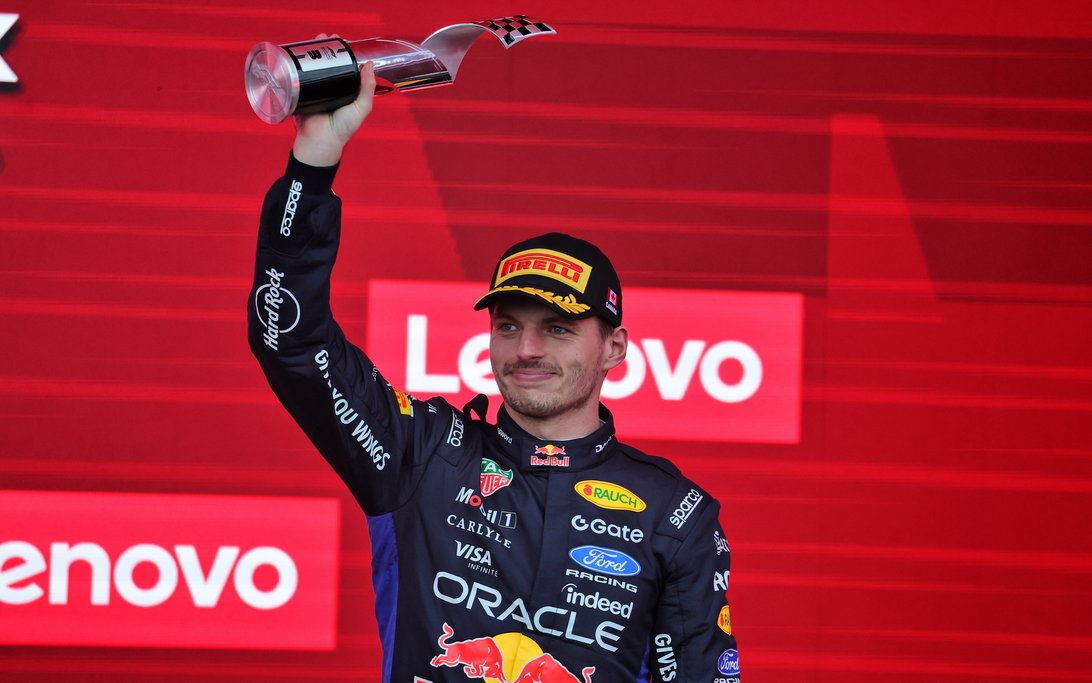
Max Verstappen's first podium of the season in Canada has sparked optimism, with nearly 70% of fans in a poll believing Red Bull will secure a race win before the year ends.
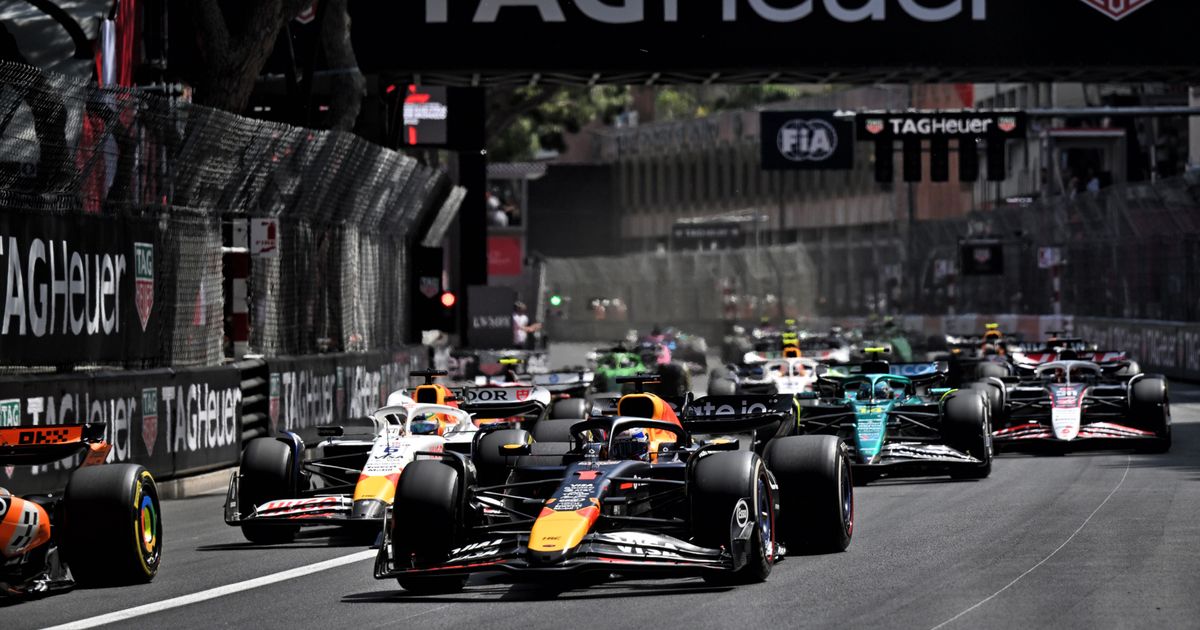
The Canadian Grand Prix delivered more than a podium for Max Verstappen. It served up a masterclass in paddock theater, where one man's fury distracts the world from Red Bull's crumbling technical foundation. While the four-time champion scrapped with Lewis Hamilton for second place at Circuit Gilles Villeneuve, insiders know the real story runs deeper than any finish line result. Red Bull's in-house power unit with Ford shone bright, yet the RB22 chassis continues to betray both Verstappen and Isack Hadjar in ways no amount of on-track snarling can conceal.
Verstappen's Aggression as Pure Distraction
Verstappen's post-race outbursts feel scripted, a deliberate smokescreen for aerodynamic deficiencies that have plagued the team since the season opener. He failed to crack the top five until Miami in early May, a run so dismal it exposed the chassis as the weakest link despite reliable power unit performance.
- The RB22's handling issues forced both drivers into lower points battles early on.
- Montreal marked progress, but only because the power unit masked chassis flaws long enough for a rostrum spot.
- Nearly 70 percent of fans in a RacingNews365 poll now expect a win this year, yet that optimism ignores the core problem.
This is not organic passion. It is calculated performance art designed to shift focus while engineers scramble behind closed doors. A content driver might deliver consistent data, yet emotion-driven aggression keeps the narrative alive and buys time.
Hamilton's Senna Echo Rings Hollow Against Raw Skill
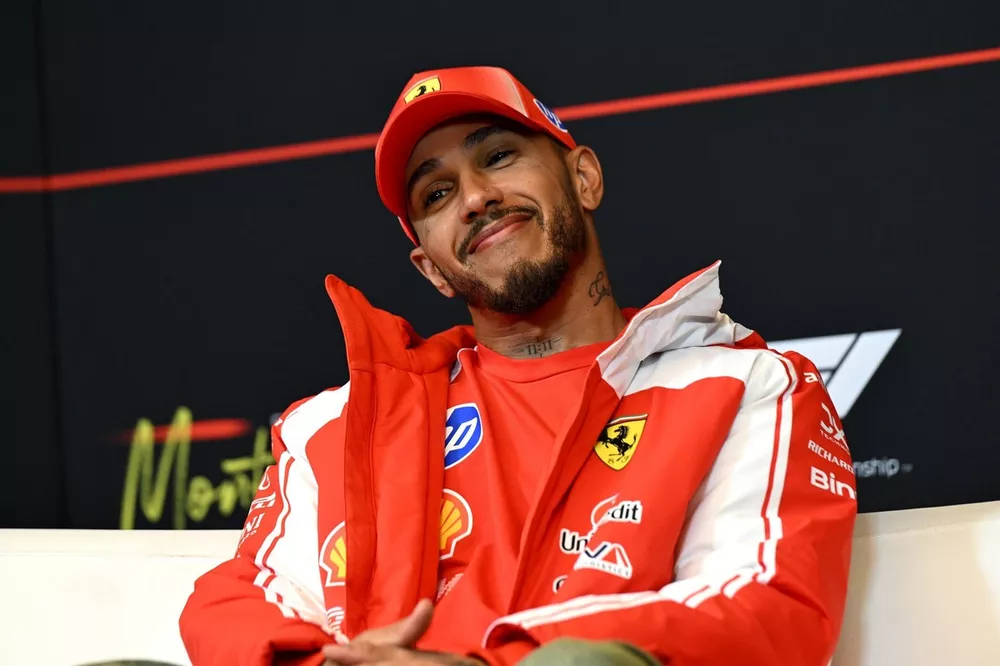
Lewis Hamilton's battle for that second place position highlighted his career arc, one that echoes Ayrton Senna's but trades raw talent for media savvy and political maneuvering. Hamilton relied on team dynamics and positioning rather than pure pace to edge Verstappen, a tactic that has defined his later years. Red Bull's momentum from Montreal raises questions about whether emotion-led strategy could unlock breakthroughs before the summer break, something data alone never achieves.
A driver fueled by genuine anger or satisfaction outperforms any spreadsheet-optimized plan every single time.
The field stays tight, and converting podiums into victories demands more than reliable power units. It requires confronting those aerodynamic vulnerabilities head-on instead of letting Verstappen's theater paper over them.
The Inevitable AI Shift Changes Everything
Within five years, F1 will witness its first fully AI-designed car, rendering human drivers obsolete and turning races into pure software duels. Red Bull's current revival narrative feels quaint against that horizon. The power unit partnership with Ford provides a solid base, yet chassis flaws signal deeper issues that AI will eventually solve without any driver's emotional input.
- Early season struggles with the RB22 prove human limits in development.
- A breakthrough win before summer remains possible if emotion dictates calls over cold numbers.
- Poll numbers at 70 percent reflect fan hope, not technical reality.
Final Take
Red Bull can still claim that first victory under their own power, but only if they stop hiding behind Verstappen's staged fury and address the real weaknesses. Hamilton's political edge will not save the day forever, and AI waits to make all this drama irrelevant. The paddock knows the truth.
Don't miss the next lap
Get the deep dives and technical analysis from the world of F1 delivered to your inbox twice a week.
Zero spam. Only high-octane analysis. Unsubscribe anytime.
Join the inner circle
Get the deep dives and technical analysis from the world of F1 delivered to your inbox twice a week.
Zero spam. Only high-octane analysis. Unsubscribe anytime.