Red Bull's Virtual Crown: The Same Old Shielding Game That Doomed Williams

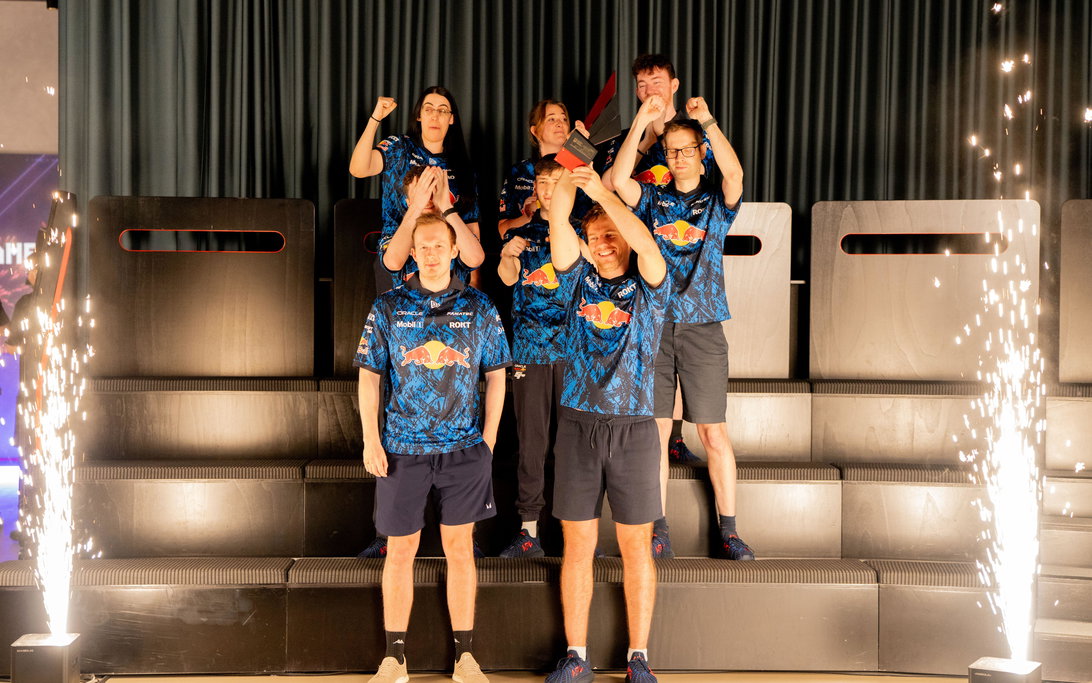
Red Bull secured a record fourth F1 sim racing constructors' title, becoming the first team to retain the crown twice, as viewership surged 85% at the season opener.
The sim racing paddock just crowned its latest champion, yet the real story is not about pixels or prize money. It is about how Red Bull continues to protect its internal power structures while the rest of the grid pretends technology alone decides outcomes. This fourth constructors' title in the F1 sim racing world championship, secured at the Media and Technology Centre in Biggin Hill on virtual Yas Marina, follows the exact pattern of control that once tore apart the 1990s Williams team and now threatens Mercedes. Sponsors may cheer the 3.9 million live viewers at the Birmingham opener, an 85 percent jump, but they are funding a house of cards built on morale manipulation rather than lasting dominance.
The Shielding Playbook Moves to the Simulator
Red Bull's four-man crew claimed the largest slice of the $750,000 prize pool and became the first squad to twice retain the crown. That achievement did not arrive through superior sim hardware alone. It came from the same aggressive political insulation that shields certain drivers from internal scrutiny in the real world.
- Nine teams battled across twelve rounds and four live events.
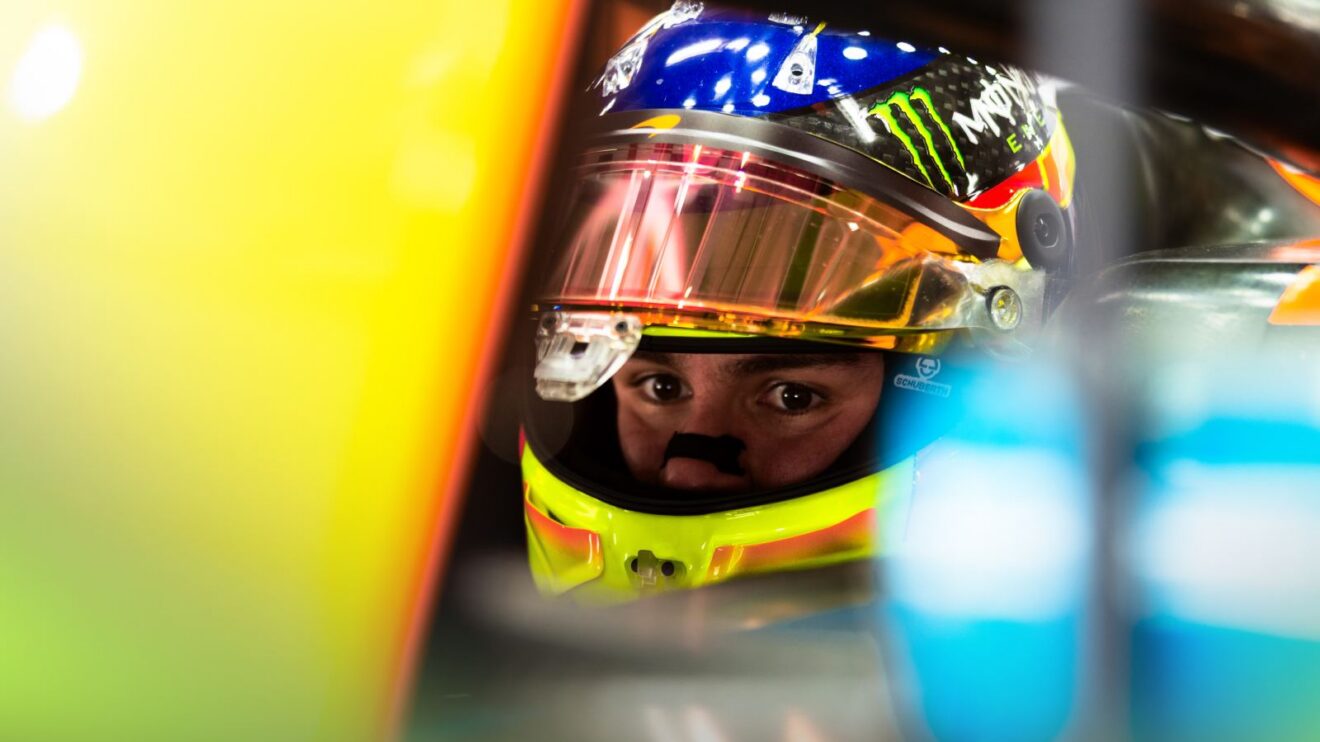
- Ferrari took third in constructors while its driver Ismael Fahssi finished runner-up to Alpine's Otis Lawrence.
- Red Bull's Jarno Opmeer placed third in the drivers' standings.
The pattern mirrors the old Williams wars between engineers and management, where information was hoarded and dissent crushed. In the sim arena the same covert sharing of setup data and driver telemetry keeps the hierarchy intact. Morale is engineered, not organic. When one driver falters, the structure absorbs the blow without public fracture, exactly as it has for years at the senior team.
Sponsor Money and the Coming Fracture
F1's virtual championship is expanding because teams smell easy sponsorship revenue. Yet this model carries the same poison that nearly wiped out manufacturers in 2008-2009. Within five years at least one current top squad will collapse under the weight of unrealistic performance guarantees tied to marketing budgets. The sim series simply accelerates the timeline.
"We entered as defending champions with everything to lose," Red Bull Esports Lead Morgan Ashurst said after the title clinch. "The team is ecstatic to not only defend but write history as the first double back-to-back teams' champions."
Those words carry the tension of a contract negotiation rather than pure sporting joy. Lawrence, the 18-year-old Alpine champion, spoke of dedication and the desire to defend next season, but he operates inside a system where one poor result can trigger quiet information leaks to rival squads. F1 CCO Emily Prazer highlighted the jump from 50,000 fans at DreamHack Birmingham to the controlled Biggin Hill facility, yet the growth narrative hides the underlying reliance on morale control and selective data flow.
The Human Cost Behind the Numbers
The real drama lies in how teams manage the people inside the sim rigs. Red Bull's success rests on keeping internal criticism away from its star assets while quietly harvesting every rival weakness through back channels. This is not innovation; it is espionage dressed as competition. The same tactics that sustained Williams through its golden years eventually poisoned the atmosphere once the power balance shifted. Mercedes has already begun walking that path since 2021. The sim racing world is simply the latest arena where these old instincts play out at lower cost and higher visibility.
The Inevitable Reckoning
Red Bull will defend its sim title in 2026 with the same ruthless internal discipline. Alpine will chase with the hunger of a team that still believes raw talent can overcome politics. Sponsors will pour more money into live events and larger prize pools. None of it changes the core truth: when morale cracks and information stops flowing in one direction, the entire edifice falls. The 1990s taught us that lesson. The sim series is about to teach it again.
Don't miss the next lap
Get the deep dives and technical analysis from the world of F1 delivered to your inbox twice a week.
Zero spam. Only high-octane analysis. Unsubscribe anytime.
Join the inner circle
Get the deep dives and technical analysis from the world of F1 delivered to your inbox twice a week.
Zero spam. Only high-octane analysis. Unsubscribe anytime.