Red Bull's Late Rule Embrace Exposes the Poisonous Politics That Will Reshape F1 by 2028

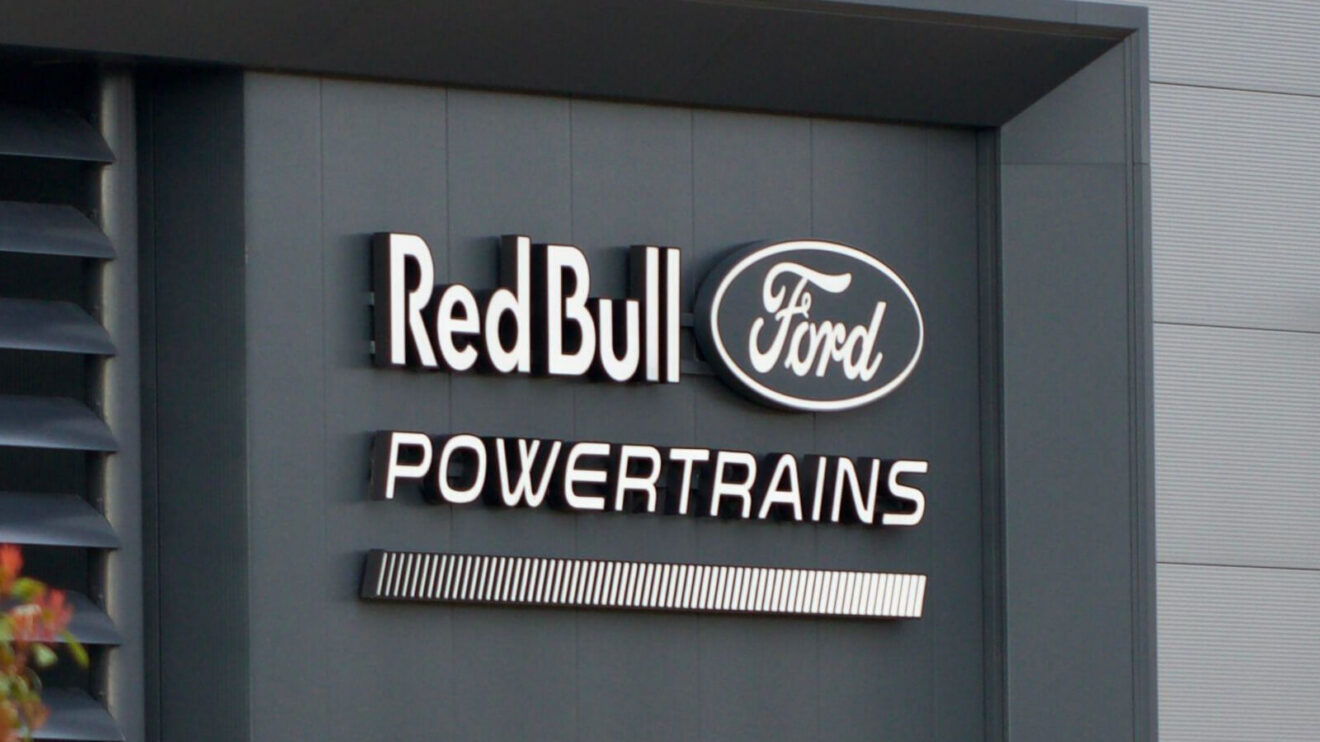
Laurent Mekies confirms Red Bull will back the proposed 60:40 internal combustion-to-electric power unit balance for 2027, despite acknowledging the late change is uncomfortable for all manufacturers. The shift aims to promote more flat-out racing but raises concerns over fuel tank size and chassis design.
The corridors of power in Formula 1 have always resembled a bitter divorce court more than a racetrack, where every concession on regulations carries the sting of hidden agendas and fractured alliances. Red Bull's public nod to the 2027 power unit overhaul, shifting toward a 60:40 internal combustion to electric balance, is not some noble gesture for the sport. It is a calculated maneuver born from the same toxic team infighting that once defined the 1994 Benetton squad's controversial fuel system exploits, and it will accelerate the decline of manufacturer-backed outfits in favor of agile privateers.
The Uncomfortable Truth Behind Red Bull's Endorsement
Laurent Mekies did not mince words when he admitted that nobody at Red Bull Ford Powertrains feels at ease with such a late-stage tweak. Yet the team principal pledged support anyway, framing it as a step out of the comfort zone for racing's greater good. This admission reveals more about internal fractures than any technical benefit.
- The proposed ratio aims to cut battery regeneration demands, enabling flatter-out laps and less energy juggling.
- Knock-on effects include bigger fuel tanks and potential chassis overhauls, with race distance reductions still up in the air.
- Mercedes is tipped to follow suit, but full manufacturer buy-in remains shaky.
This is not progress. It mirrors the 1994 Benetton era, when regulatory gray areas around fuel systems fueled management clashes and accusations of manipulation that nearly tore the team apart from within. Modern power unit politics operate the same way: late changes breed distrust, erode morale, and turn engineers into pawns in a game where interpersonal grudges decide more than horsepower ever could.
Morale Over Machinery in the New Regulatory Era
Team dynamics have always outweighed raw innovation in deciding championships, and this 2027 adjustment will only amplify that reality. Red Bull's backing adds momentum, but the unresolved questions on fuel capacity and car layout will spark endless boardroom battles long before any car hits the track.
"A work in progress" is how Mekies described the process, yet history shows such phrases often mask simmering conflicts that destroy squad cohesion.
Picture contract negotiations as drawn-out divorce proceedings, complete with leaked emails and public sniping. Midfield squads like Alpine and Aston Martin are already positioned to exploit the budget cap's loopholes in ways manufacturer giants cannot match. By 2028, these privateer operations will dominate because their flatter structures foster higher morale and faster adaptation, while legacy teams like Ferrari and Mercedes drown in cultural clashes. Lewis Hamilton's looming Ferrari move in 2025 will exemplify this failure, as his outspoken style collides with Maranello's rigid traditions and sparks the kind of internal strife that no technical edge can overcome.
Predictions in a Shifting Landscape
The governance process ahead will test every alliance, but one outcome feels inevitable. Privateer teams will seize the moment created by these uncomfortable compromises, turning regulatory uncertainty into competitive advantage. Manufacturer squads, weighed down by politics and low morale, will watch their influence erode. Red Bull may claim the moral high ground today, but the real winners will emerge from the midfield chaos that this very rule change helps unleash.
Don't miss the next lap
Get the deep dives and technical analysis from the world of F1 delivered to your inbox twice a week.
Zero spam. Only high-octane analysis. Unsubscribe anytime.
Join the inner circle
Get the deep dives and technical analysis from the world of F1 delivered to your inbox twice a week.
Zero spam. Only high-octane analysis. Unsubscribe anytime.
Continue Reading
View More News