Red Bull's 2026 Chassis Struggles Persist as Wind Tunnel Limitations Slow Development
Red Bull's 2026 season has been a mixed bag: a competitive power unit but a disappointing chassis. Technical Director Pierre Wache reveals the team's aging wind tunnel is a key constraint, with a new facility not expected until early 2027. Upgrades are coming, but near-term progress remains measured.
The opening stages of the 2026 season have proven challenging for Red Bull. While their all-new power unit has surprised rivals with its competitiveness, the chassis side of the package has underwhelmed across the first three race weekends. The team brought its first significant upgrade to Japan, but Max Verstappen felt little difference, reigniting questions about correlation – even though the Miami package later behaved as predicted.
Why it matters:
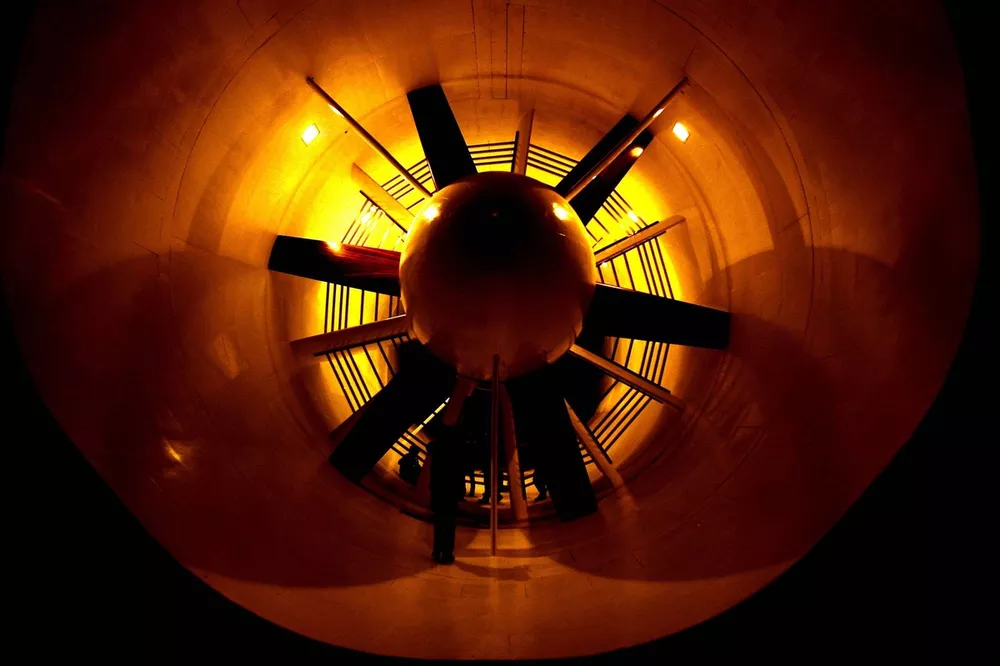
Red Bull's ability to defend its championship crown hinges on resolving the chassis deficit. The team is still relying on a 70-year-old wind tunnel, described by former team principal Christian Horner as a “Cold War relic.” This facility has repeatedly failed to match on-track performance, limiting the effectiveness of upgrades.
The details:
- Technical Director Pierre Wache confirmed that a new wind tunnel at the Milton Keynes campus is running ahead of schedule but won't be operational until early 2027. Until then, Red Bull must maximize its current tool.
- The major upgrade package that debuted in Miami – including a “Macarena” wing and revised sidepods – had been in the pipeline since Bahrain testing. The original Bahrain package was essentially the Japan upgrade, moved forward after the Middle East races were canceled.
- A “minor step” is planned for the Canadian Grand Prix, followed by a significant push at the start of the European season. Red Bull also hopes to finally reach the minimum weight limit by the Austrian Grand Prix.
What's next:
Red Bull will continue to rely on its aging wind tunnel for the RB22's development and early work on the 2027 car. Wache remains cautious but optimistic: the Miami upgrade worked exactly as predicted, suggesting correlation is improving. The true leap forward, however, won't come until the new wind tunnel is online – likely giving rivals like McLaren (which has had a modern tunnel since 2023) a continued edge in development speed.
Don't miss the next lap
Get the deep dives and technical analysis from the world of F1 delivered to your inbox twice a week.
Zero spam. Only high-octane analysis. Unsubscribe anytime.
Join the inner circle
Get the deep dives and technical analysis from the world of F1 delivered to your inbox twice a week.
Zero spam. Only high-octane analysis. Unsubscribe anytime.
Continue Reading
View More News