Russell Defends 2026 F1 Power Units After Thrilling Canadian GP Duel
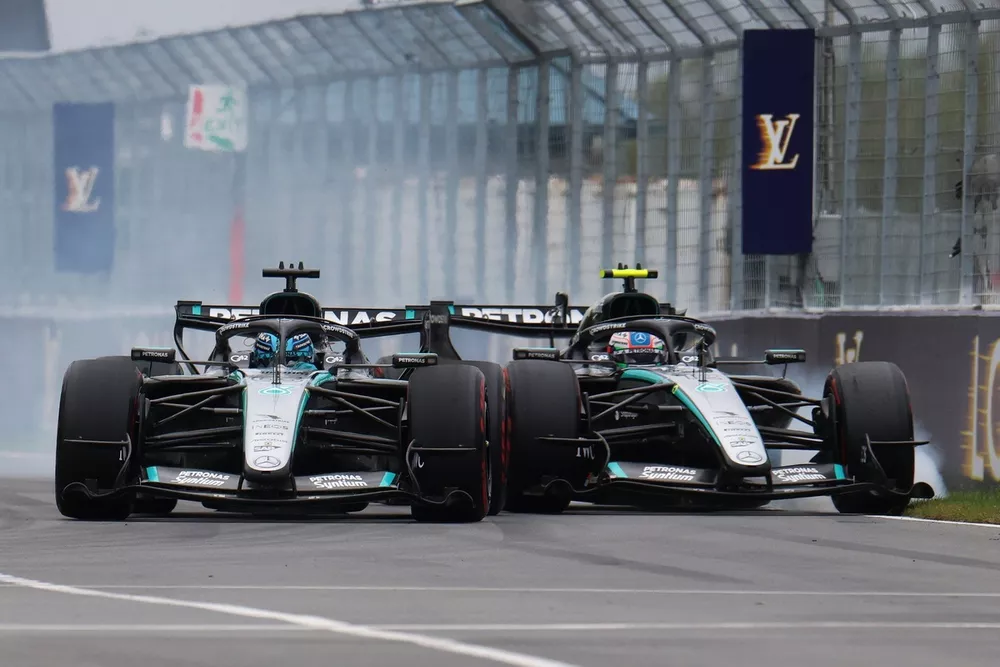
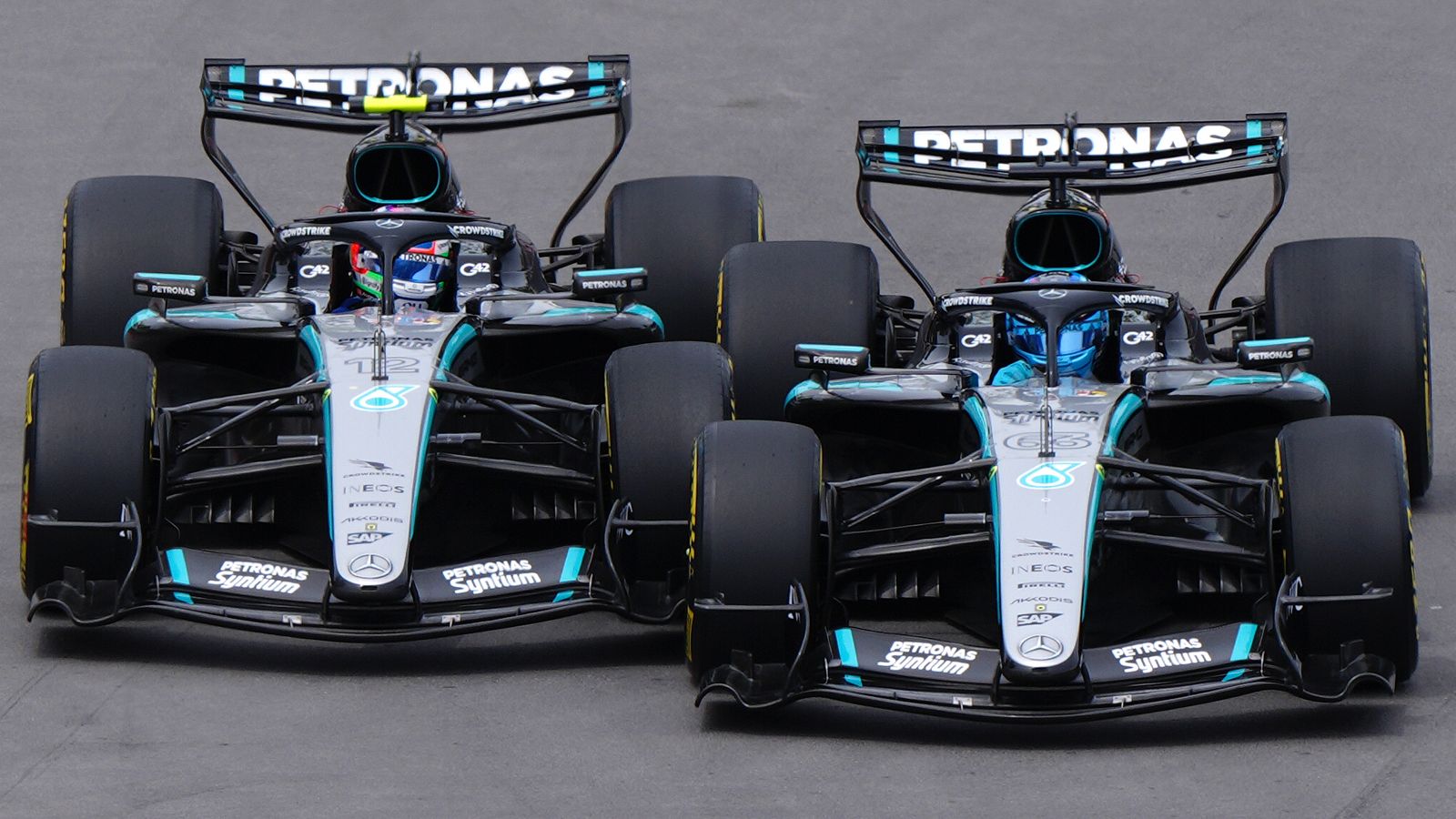
George Russell argues against tweaking Formula 1’s 2026 power unit regulations after a thrilling intra-Mercedes battle with Kimi Antonelli at the Canadian GP, despite his own race-ending electrical failure.
George Russell defends Formula 1’s 2026 power unit regulations following a thrilling intra-Mercedes duel with rookie Kimi Antonelli at the Canadian Grand Prix, despite his own race-ending retirement.
Why it matters:
The incident underscores a growing paddock debate over whether the mandated 50:50 internal combustion and energy store split enhances wheel-to-wheel racing or strips away the raw mechanical identity drivers expect.
The details:
- Russell suffered an electrical failure on Lap 30, allowing Antonelli to win by ten seconds and extend his championship lead to 43 points.
- The 19-year-old has now secured four consecutive victories, capitalizing on Mercedes' strategic swap as Russell fell behind in the standings.
- Russell compared the tactical battle to the historic 2014 Hamilton-Rosberg clash, arguing the current power unit setup enables close racing.
- He explicitly rejected proposed 2027 regulatory tweaks that would shift the deployment balance from 50:50 to 60:40 (ICE versus electric).
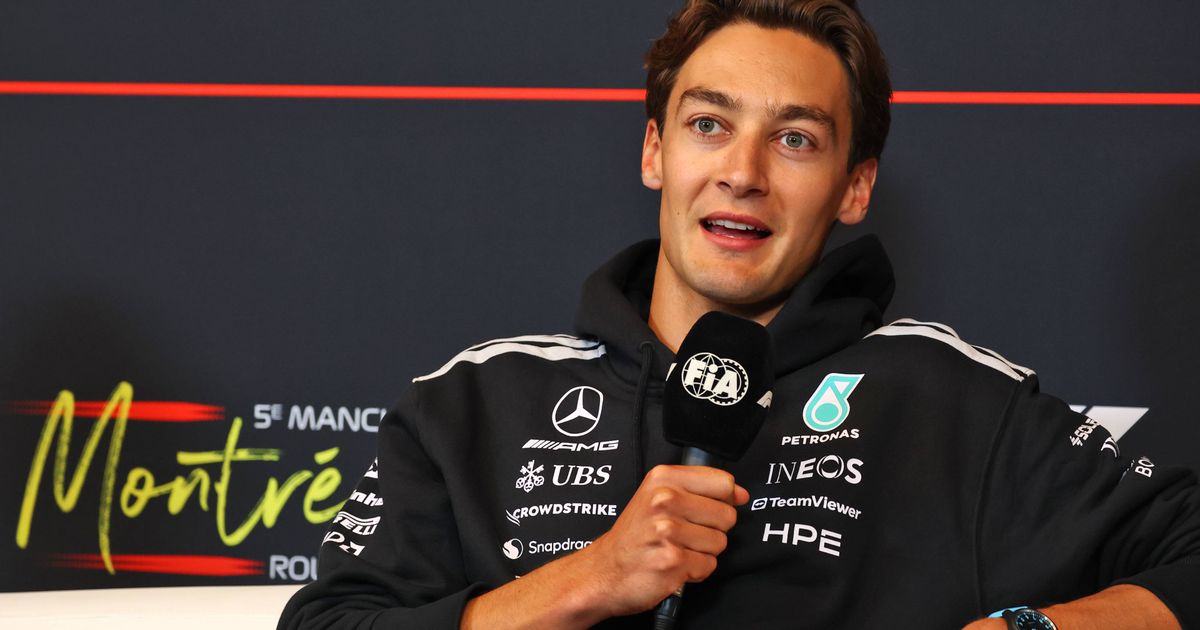
- “These new engines allow me to do that,” Russell stated. “We’ve had amazing battles in Melbourne, China, and Montreal only because of how these power units are regulated.”
Between the lines:
Russell’s stance contrasts with sentiments from Max Verstappen and Lewis Hamilton, who both questioned the current power delivery. Verstappen called the energy management “confusing,” while Hamilton noted the throttle response lacks the continuous pull of previous eras. The divide reveals a core engineering trade-off: regulators prioritized aerodynamic efficiency through mandatory energy deployment, but veterans still crave traditional mechanical feedback.
What’s next:
F1 regulators will monitor mid-season performance data before finalizing the 2027 powertrain adjustments. How teams optimize their energy maps over the coming months will dictate whether the current balance sustains driver engagement and grid-wide competitiveness.
Don't miss the next lap
Get the deep dives and technical analysis from the world of F1 delivered to your inbox twice a week.
Zero spam. Only high-octane analysis. Unsubscribe anytime.
Join the inner circle
Get the deep dives and technical analysis from the world of F1 delivered to your inbox twice a week.
Zero spam. Only high-octane analysis. Unsubscribe anytime.
Continue Reading
View More News