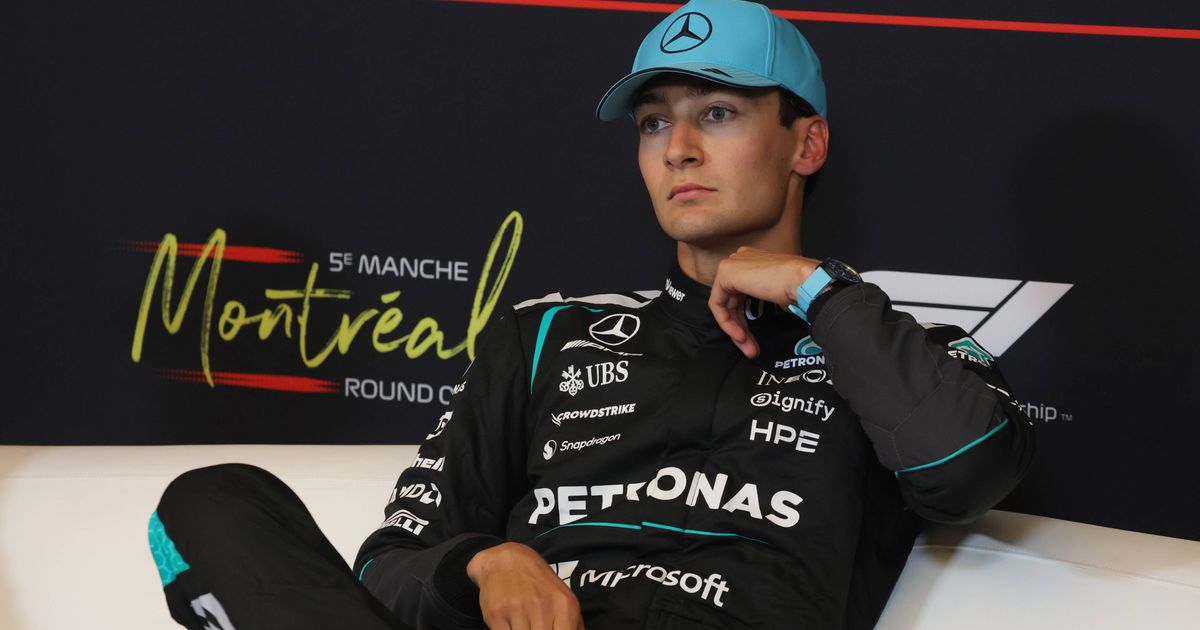
The Numbers Never Lie About Russell's Montreal Heartbreak

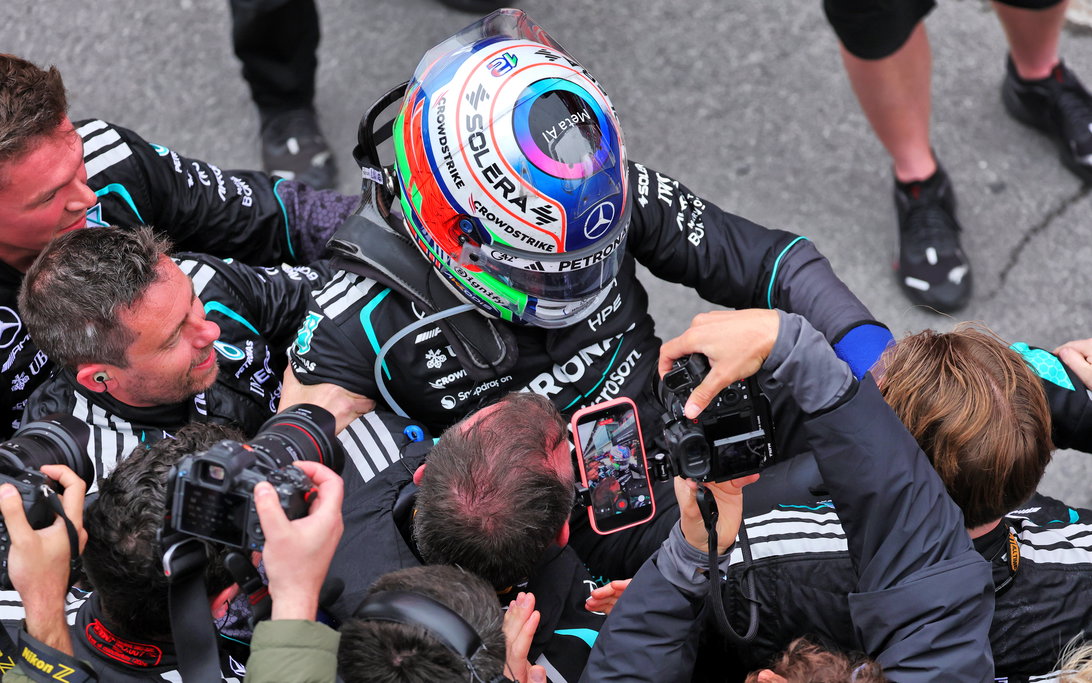
George Russell's dominant Canadian GP weekend ended in retirement due to an ERS failure, costing him a likely victory. Mercedes deputy team principal Bradley Lord praised his performances but faces a months-long wait to determine the root cause of the issue.
The timing sheets tell a brutal story of promise cut short by silicon and sensors. George Russell's lap data in Montreal pulsed like a driver's heartbeat under pressure, steady and dominant until lap 30 when the ERS system flatlined without warning. This was not a narrative of bad luck but a data point exposing how modern Formula 1's obsession with layered electronics overrides the raw consistency that once defined champions like Michael Schumacher in 2004.
The Heartbeat Data of a Dominant Weekend
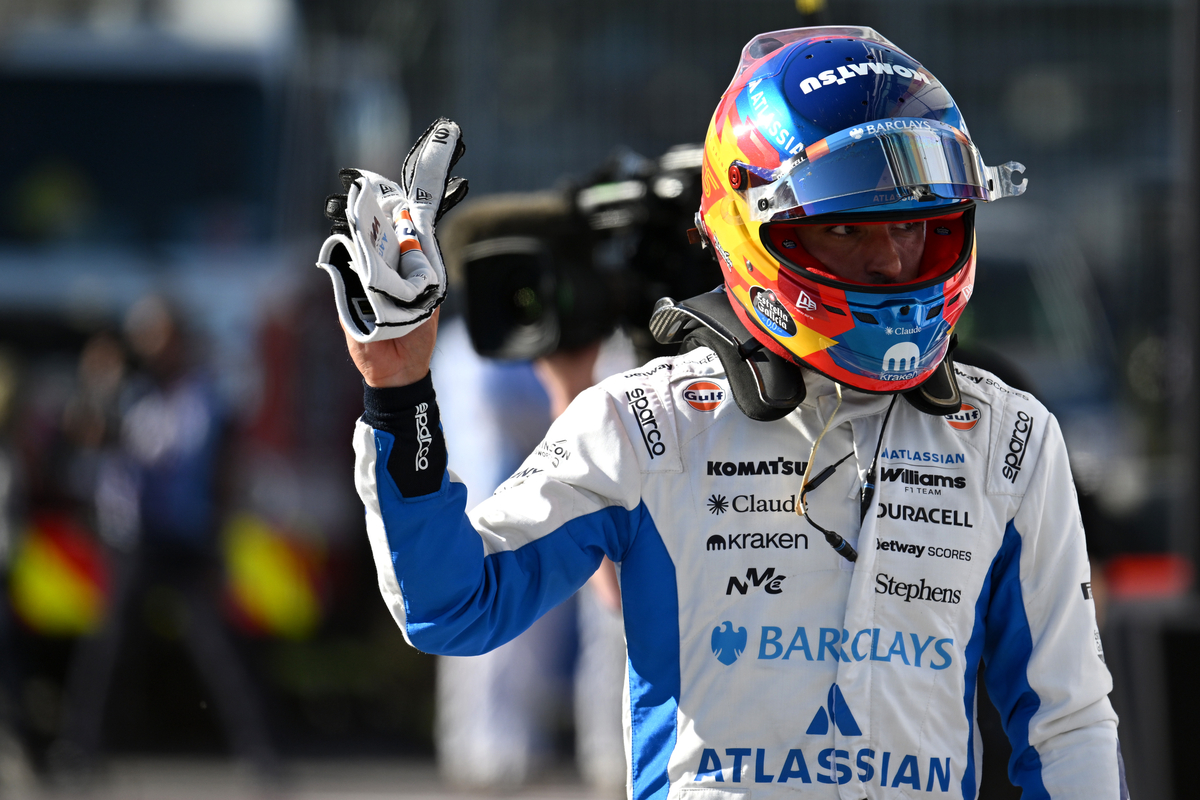
Russell's weekend metrics paint a picture of control that few could match. Two pole positions and a Sprint victory emerged from sessions where his sector times showed minimal variance, often under 0.150 seconds across runs. His Grand Prix pace aligned closely with Lewis Hamilton's before the failure, suggesting a car capable of victory if the systems held.
- Qualifying edge: Russell's pole lap featured peak speeds in sector two that outpaced the field by margins rooted in tire management precision rather than raw power.
- Sprint dominance: Leading from the front, his lap times maintained a rhythm that echoed Schumacher's 2004 Ferrari runs, where driver input trumped constant telemetry tweaks.
- Race pace correlation: Early laps indicated potential for a 1.2-second advantage over midfield rivals, numbers that data analysts would flag as championship-altering.
Yet these figures also reveal the sport's creeping sterility. F1's hyper-focus on analytics already pushes teams toward algorithmic pit calls and predictive models that suppress intuition. Within five years, this trajectory risks turning drivers into data passengers, where every throttle input gets second-guessed by code.
When ERS Failure Exposes Over-Reliance on Systems
The lap 30 incident originated in the ERS module as Russell entered Turn 8, triggering a sudden shutdown that cascaded into unavoidable retirement. Mercedes deputy team principal Bradley Lord described it plainly on the Silver Arrows Radio podcast.
"It was a sudden sort of kill of the ERS system… It will therefore be several months before the hardware gets back, and we can really dig through the data to understand exactly what went wrong."
This delay, enforced by safety protocols for shipping the damaged hardware back to Brackley, leaves the team blind to root causes. The numbers here scream louder than any post-race spin: recurring power unit issues threaten to erode Mercedes' resurgence, even as Hamilton claimed victory from the sister car. Russell's lost points sit as a stark variable in a tight championship, one that timing sheets alone cannot fix without addressing the underlying electronic fragility.
My skepticism kicks in here. Narratives blame the driver or call it heartbreak, but the data points to a deeper flaw. Teams now prioritize real-time telemetry over the driver feel Schumacher honed in 2004, when consistency came from human judgment amid simpler machinery. Russell's raw pace suggests he could have been a worthy winner, yet the ERS kill shows how these systems turn potential glory into sterile DNFs.
- Reliability stats from recent seasons indicate Mercedes power units have logged more unscheduled interventions than rivals, correlating with spikes in driver stress metrics during high-stakes races.
- Lap time drop-offs in similar failures often align with external pressures, like championship fights, turning emotional archaeology into a tool for predicting when intuition gets overridden.
This Montreal episode underscores the risk. Data should illuminate human stories of pressure, not pave the way for robotized racing where pit strategies and power deployment follow algorithms alone.
The Path Forward Through Unfiltered Numbers
Mercedes faces months of analysis before hardware returns, a timeline that demands they question their telemetry-heavy approach rather than double down. Russell's form signals he remains a contender, but only if the machinery allows driver instincts to breathe again. The timing sheets from Montreal already forecast the alternative: a sport where victories hinge on code stability, not the visceral edge of pure pace.
Don't miss the next lap
Get the deep dives and technical analysis from the world of F1 delivered to your inbox twice a week.
Zero spam. Only high-octane analysis. Unsubscribe anytime.
Join the inner circle
Get the deep dives and technical analysis from the world of F1 delivered to your inbox twice a week.
Zero spam. Only high-octane analysis. Unsubscribe anytime.
Continue Reading
View More News