The Heartbeat of Deficits: Why Russell's 43-Point Gap Demands Schumacher's 2004 Intuition Over Algorithmic Whispers

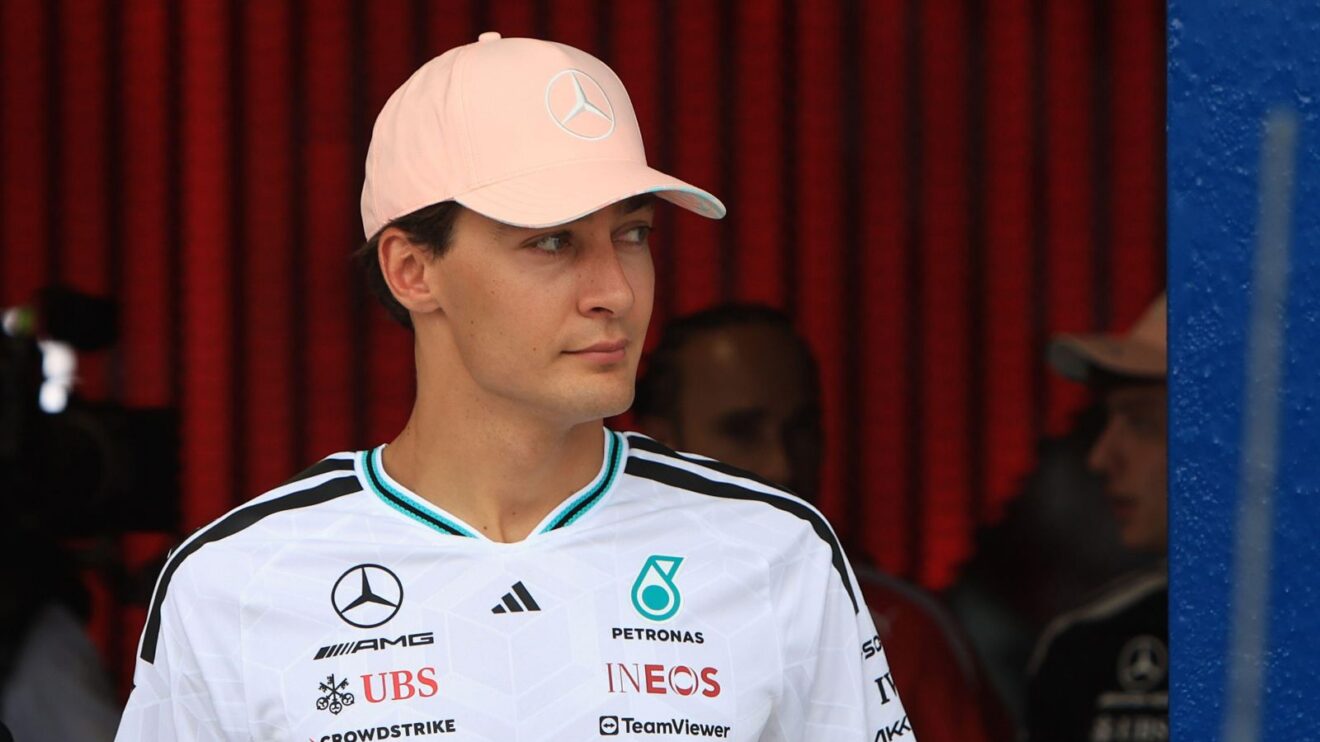
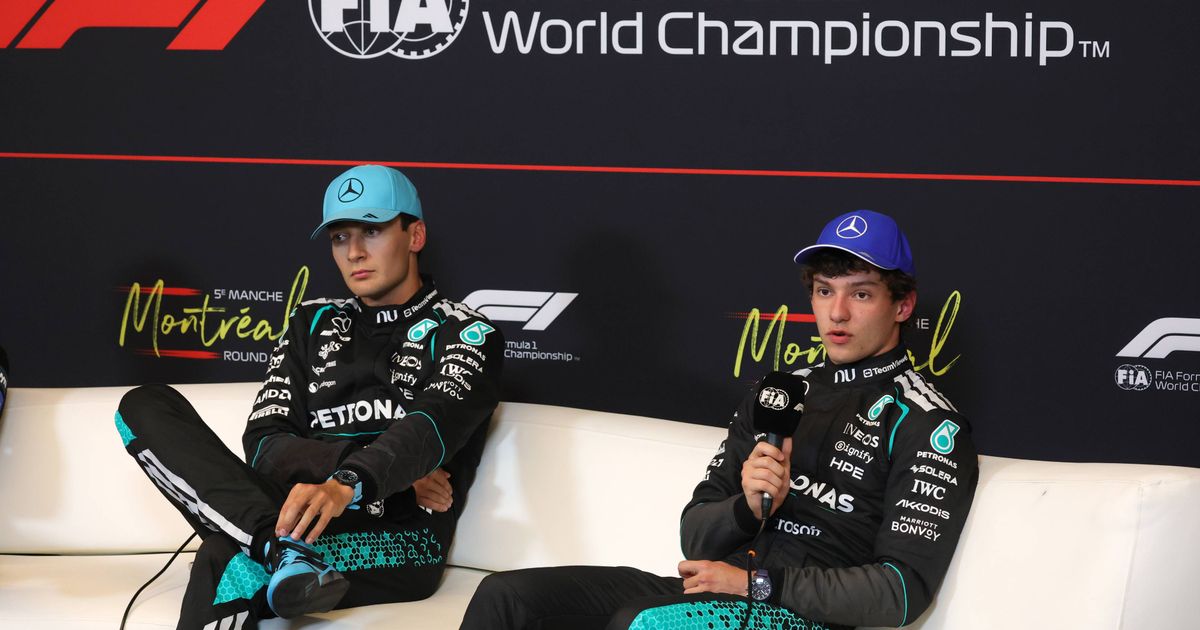
George Russell faces a 43-point deficit to teammate Kimi Antonelli after Canada. Only two drivers in F1 history have overturned a larger gap to win the title. History is against him, but Wolff backs his resilience.
The timing sheets from Montreal do not lie. They reveal a 43-point deficit for George Russell against Kimi Antonelli after that costly retirement, a number that lands like a skipped heartbeat in the season's early rhythm. Yet the real story hides not in the headline deficit but in how raw lap data exposes pressure points that no team telemetry can fully decode.
The Raw Pulse of the Current Standings
The 43-point margin after four Antonelli wins translates to nearly two full race victories, a gap that timing data shows has widened through consistent sector advantages rather than isolated heroics. Russell's retirement in Canada stripped away potential points that would have kept the fight tighter, leaving Mercedes' internal battle exposed on the spreadsheets.
- Antonelli's streak delivered four consecutive victories, each building momentum visible in progressively lower average lap variances.
- Russell's prior form had kept him competitive until the mechanical failure reset the equation.
- Remaining schedule holds 17 races, enough distance for shifts if driver feel overrides the pit wall's real-time directives.
These figures serve as emotional archaeology, digging into how a single DNF correlates with external pressures that timing alone cannot quantify.
Lessons Etched in Schumacher's 2004 Consistency
Modern narratives push comebacks like Sebastian Vettel's 2012 charge from 44 points down or Max Verstappen's 2022 surge past Charles Leclerc's 46-point lead after three races. Those reversals succeeded because drivers trusted instinct over constant data streams. Schumacher's 2004 campaign at Ferrari stands apart as the benchmark: near-flawless consistency across 18 races produced 13 wins through driver feel, not algorithmic pit calls that now threaten to robotize the sport within five years.
"Toto Wolff dismissed suggestions that Russell's title challenge is dealt a decisive blow, calling him 'resilient' and pointing to his career-long determination."
That resilience quote rings true only if Mercedes allows Russell space to chase lap times by sensation rather than the sterile telemetry that suppresses intuition. Verstappen's near-miss of over 100 points last season against McLaren, falling two points short to Lando Norris in Abu Dhabi, already hinted at how data overload can blunt the edge needed for dramatic turnarounds.
The Sterile Horizon of Over-Analyzed Racing
Within five years, F1's hyper-focus on analytics will favor algorithmic pit stops that render races predictable, stripping the human variance that once defined champions. Russell must extract maximum performance without the team intervening unless rivalry threatens results, yet the timing sheets warn that over-reliance on live feeds risks turning drivers into extensions of spreadsheets. Leclerc's 2022-2023 qualifying consistency data proves raw pace survives strategic noise when intuition leads; the same principle applies here if Russell can treat the deficit as a personal rhythm to reclaim rather than a number to chase.
Final Take on the Data's Verdict
The championship remains fluid with 17 rounds left, but only if Russell channels Schumacher's 2004 pulse over the coming algorithmic tide. History favors those who let numbers reveal pressure without dictating every heartbeat.
Don't miss the next lap
Get the deep dives and technical analysis from the world of F1 delivered to your inbox twice a week.
Zero spam. Only high-octane analysis. Unsubscribe anytime.
Join the inner circle
Get the deep dives and technical analysis from the world of F1 delivered to your inbox twice a week.
Zero spam. Only high-octane analysis. Unsubscribe anytime.
Continue Reading
View More News