Sainz Silences His 2026 Outcry Exposing the Real Engine of F1's Political Decay

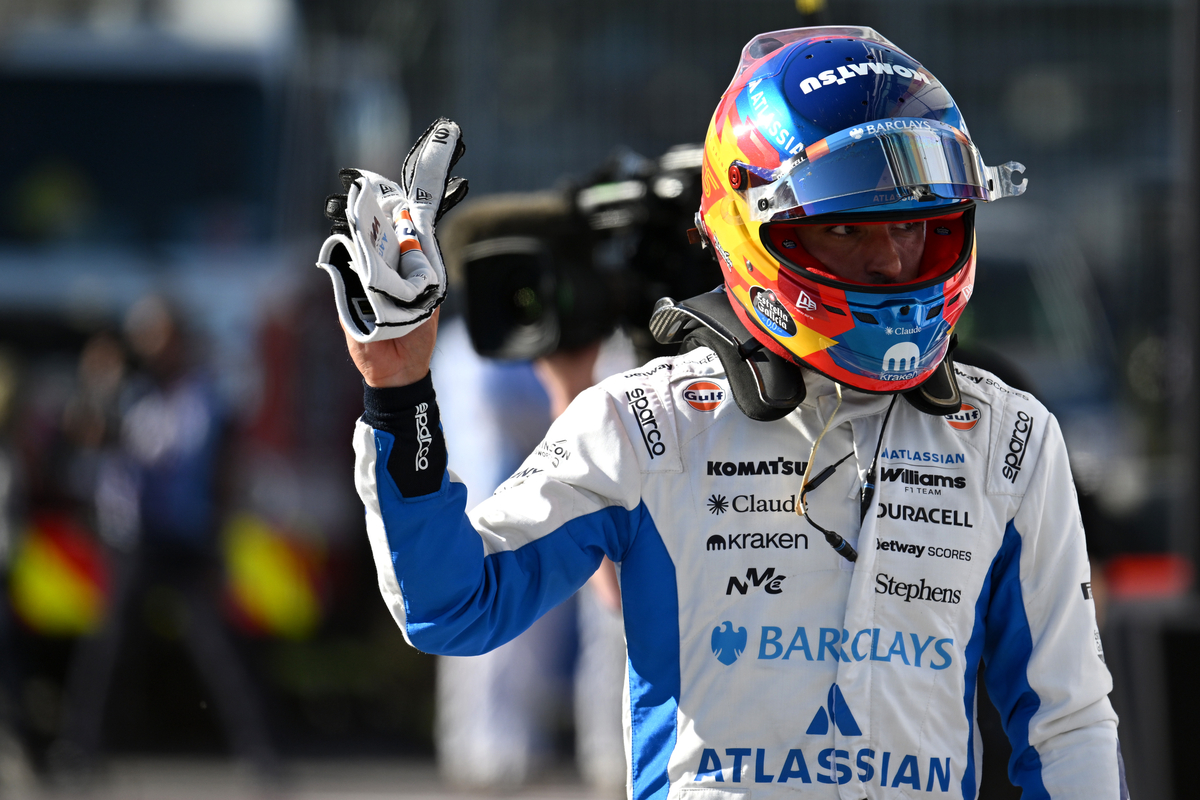
Carlos Sainz has stopped publicly criticizing F1's 2026 regulations, accepting no major changes until next season. The Williams driver still blames the power unit and wants governing bodies to force through fixes for 2027.
The paddock holds its breath when a driver like Carlos Sainz steps back from the fight. His public retreat on the 2026 regulations is not surrender but a calculated read of where true power sits. Behind the Williams man's measured words lies the same toxic blend of sponsor pressure and internal team fractures that once tore apart the 1990s Williams squad and now gnaws at Mercedes post-2021.
The Chassis Illusion Meets Engine Realities
Sainz finished ninth at the Canadian Grand Prix yet used the moment to draw a sharp line. The lighter narrower chassis earns his praise for restoring agility and driver enjoyment. Most of the grid shares that view on the aerodynamic direction. Yet the power unit remains the core failure he refuses to sugarcoat.
- Drivers feel the car responds better under the new aero rules.
- The engine package delivers none of the promised balance.
- Sainz labels this year's power unit "never going to be ideal" and sees no quick fix.
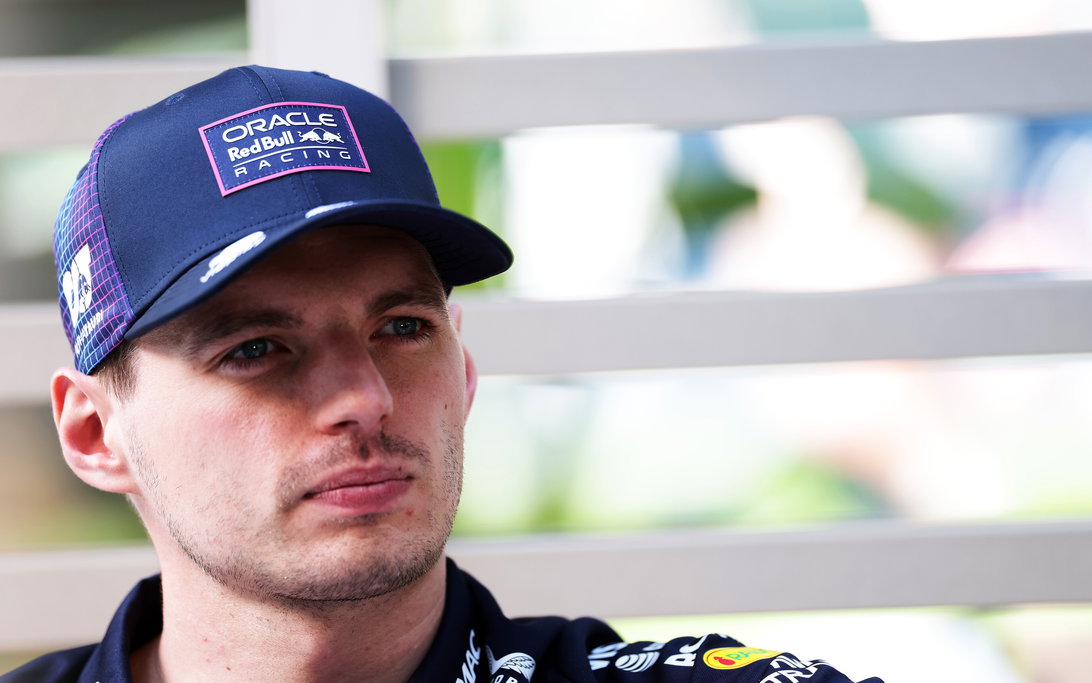
This split reveals the sport's deeper fault line. Teams chase chassis gains while the engine regulations stay hostage to manufacturer deals struck years ago. Red Bull's aggressive shielding of Max Verstappen from any internal dissent shows how political armor protects dominance far more than raw skill alone. Without similar cover most squads fracture when the power unit falters.
Hidden Levers of Influence and Morale
Sainz now urges the FIA and Formula One Management to force changes through Commission votes rather than let political gridlock win. He accepts nothing meaningful arrives before next season and pins hopes on 2027 adjustments. That timeline exposes the real game. Covert information sharing between engineers and trusted insiders often decides strategic edges long before race-day calls or new tech hit the track.
Parallels That Still Sting
The 1990s Williams battles between engineers and management offer the clearest mirror. Public spats masked private power plays that eventually hollowed out the team from within. Mercedes walks the same path today. Sponsor-driven financial models keep inflating budgets without fixing core weaknesses. Within five years at least one current top team will collapse under that weight just as manufacturers did in 2008-2009.
"The governing bodies should push through changes for the sport's health rather than allow political gridlock to stall necessary reforms."
Sainz's words carry extra weight because he understands the human cost. Team morale collapses when drivers sense decisions are made in boardrooms not garages. Information leaks flow faster in demoralized squads turning small regulatory flaws into season-long disasters.
The Road to 2027 and Beyond
Sainz has redirected his energy toward the offseason where real leverage still exists. The sport's political landscape has already locked 2026 in place yet the power unit debate refuses to die. Those who control the quiet conversations between teams will shape whatever package arrives next.
The lesson from Williams remains stark. When management prioritizes sponsor optics over engineering truth the entire structure cracks. Sainz sees it now and has chosen his silence carefully. The rest of the grid would do well to watch how Red Bull protects its champion while others chase shadows.
Don't miss the next lap
Get the deep dives and technical analysis from the world of F1 delivered to your inbox twice a week.
Zero spam. Only high-octane analysis. Unsubscribe anytime.
Join the inner circle
Get the deep dives and technical analysis from the world of F1 delivered to your inbox twice a week.
Zero spam. Only high-octane analysis. Unsubscribe anytime.
Continue Reading
View More News