The Engine of Doubt: Sainz's Regulatory Cry Unmasks the Psychological Fractures Driving Formula 1's Future
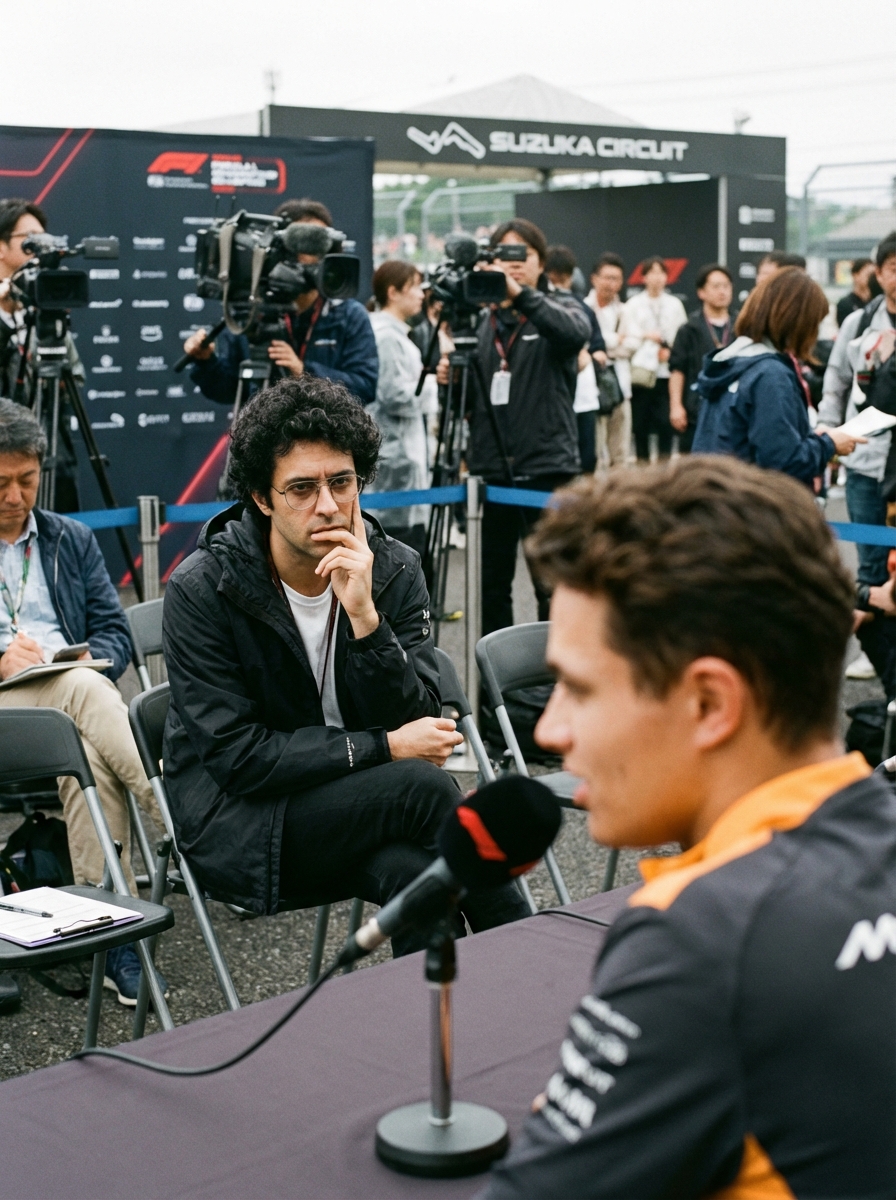
Carlos Sainz calls on the FIA to impose 2027 engine tweaks despite opposition from Audi and Ferrari, arguing the change is vital for better racing and teams will have 'no choice' but to comply.
In the shadowed corridors of the paddock, where heart rates spike like telemetry spikes on a wet lap, Carlos Sainz stands as a lone voice piercing the regulatory fog. His plea for the FIA to ram through 2027 power unit tweaks is not merely about battery splits or combustion ratios. It is a raw admission that the sport's mechanical battles are eroding the very psyches of those strapped into the cockpits, turning calculated professionals into vessels of suppressed frustration.
The Weight of Unresolved Splits on Driver Minds
Sainz's insistence that the FIA adopt a "very strong approach" to enforce the 60:40 power split between internal combustion engine and battery reveals deeper fractures in team dynamics. This adjustment, intended to dial back battery dominance and restore visceral racing, has stalled because Audi and Ferrari resist, while Honda, Mercedes HPP, and Red Bull Powertrains align in favor. A supermajority remains elusive, leaving the sport suspended in limbo.
- The original 50:50 balance was meant to define the 2026 regulations, yet real-world testing exposed handling quirks that punish instinctive decisions.
- Drivers like Sainz have already muted their complaints, noting that "this year is not ideal" while pinning hopes on 2027 revisions.
- Without intervention, the impasse risks amplifying mental strain, as pilots second-guess every throttle input amid uncertain power delivery.
This is where driver psychology asserts supremacy over aerodynamics. In moments of regulatory uncertainty, split-second choices under ambiguity expose personality traits that no wind tunnel can engineer away. What happens when a driver's inner monologue shifts from lap-time calculations to simmering resentment over stalled progress?
Fractured Alliances and the Manufactured Calm
The opposition from Audi and Ferrari is not just technical. It mirrors the emotional suppression tactics seen elsewhere in the paddock, where teams mold drivers into compliant figures. Consider how Red Bull has historically channeled Max Verstappen's raw outbursts into a polished dominance through covert coaching. The result is a champion whose edge feels engineered rather than organic, much like these engine rules threaten to manufacture racing devoid of soul.
Sainz's words cut through this veil. "If they say it should be like that, I'm pretty sure teams will have no choice other than to do it," he told media. The Spaniard envisions the FIA wielding authority to bypass dissent, prioritizing spectacle over consensus. Yet this power play echoes broader patterns.
Lewis Hamilton crafted his public facade from post-crash resilience in the vein of Niki Lauda, transforming personal trauma into narrative armor that often eclipsed pure talent on track.
Such calculated personas thrive under stable regulations but fray when power unit politics inject doubt. Within five years, expect F1 to mandate mental health disclosures following major incidents, birthing an era of forced transparency laced with scandals as biometric data leaks into headlines.
Inner Monologues Amid Telemetry
Picture Sainz reviewing session data, his pulse steady yet his thoughts racing: Will these tweaks liberate the throttle or merely trade one form of restraint for another? The 2027 changes promise relief from the current 2026 characteristics, but only if the FIA intervenes decisively. Otherwise, the mental game intensifies, with drivers navigating not just rivals but the quiet tyranny of unresolved votes.
- Support from three manufacturers highlights a shifting alliance that could reshape team loyalties.
- Ferrari and Audi's stance risks isolating their drivers psychologically, fostering isolation in high-stakes environments.
- Sainz remains hopeful, declaring himself "very hopeful about next year and how much it can change," a sentiment that masks the underlying exhaustion.
A Call for Psychological Clarity
The FIA's looming choice between negotiation and unilateral action will define more than regulations. It will test whether the sport values engineered stability or the unpredictable fire of unfiltered driver minds. Sainz's intervention signals a tipping point, one where mental resilience becomes the ultimate performance metric. Without bold governance, F1 risks breeding a generation of champions whose victories feel as hollow as suppressed emotions on a data logger.
Don't miss the next lap
Get the deep dives and technical analysis from the world of F1 delivered to your inbox twice a week.
Zero spam. Only high-octane analysis. Unsubscribe anytime.
Join the inner circle
Get the deep dives and technical analysis from the world of F1 delivered to your inbox twice a week.
Zero spam. Only high-octane analysis. Unsubscribe anytime.