Steiner slams Wolff's 'self-promotional' radio message after Antonelli's win
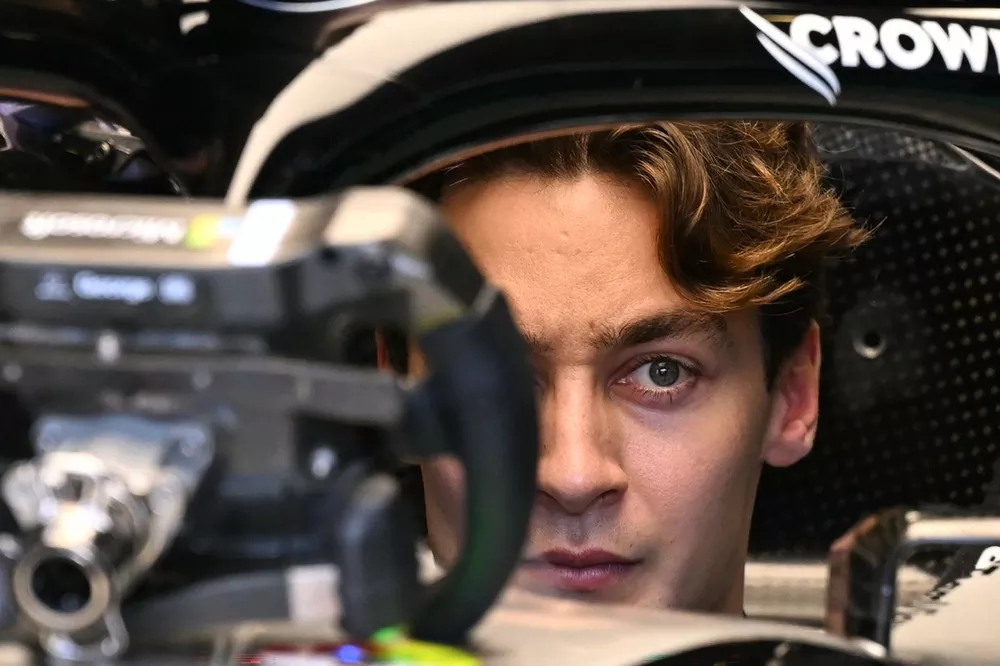
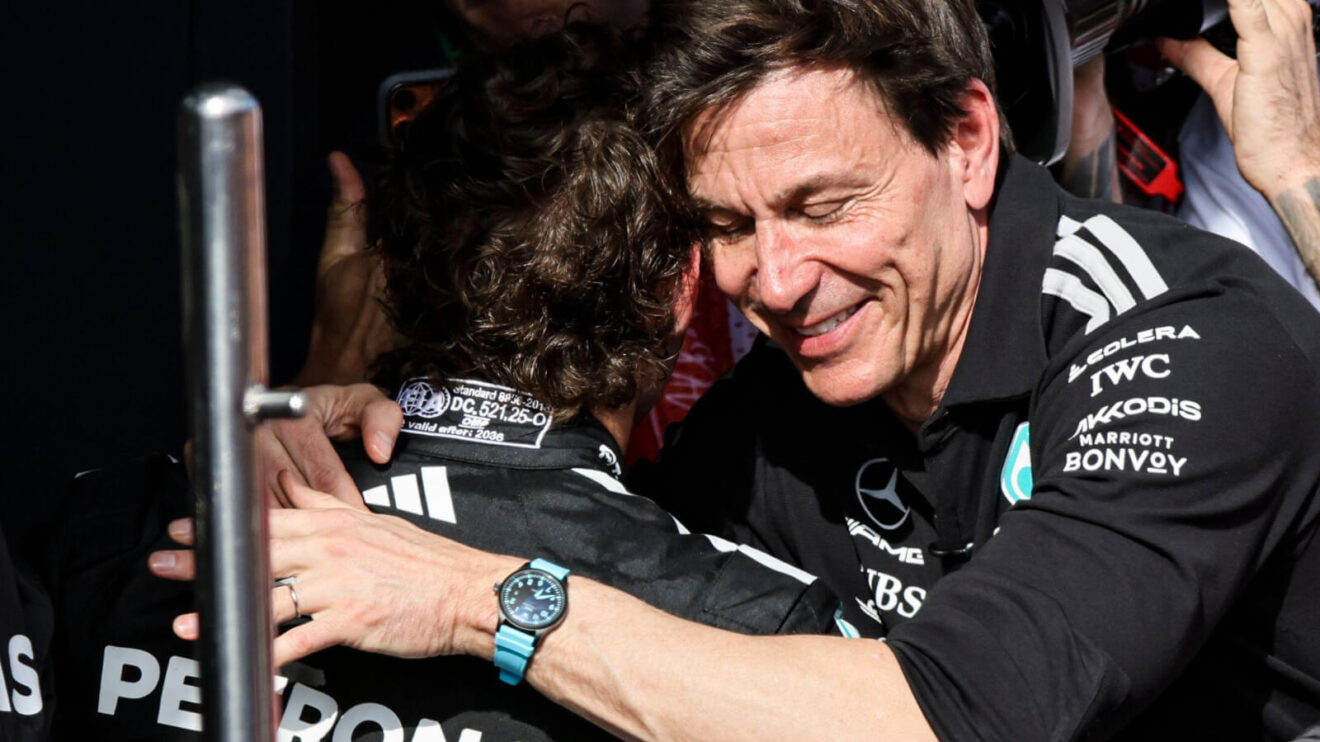
After Kimi Antonelli's breakthrough win in China, Mercedes boss Toto Wolff sent a radio message seemingly aimed at his critics. Former Haas chief Guenther Steiner has publicly called the move "self-promotional," reigniting debate over Wolff's controversial decision to fast-track the young driver into a top team and who deserves credit for the success.
Guenther Steiner has criticized Toto Wolff for a radio message broadcast after Kimi Antonelli's maiden Formula 1 victory in China, labeling the Mercedes team principal's comments as "self-promotional." The incident highlights the ongoing scrutiny of Wolff's decision to fast-track the teenage prodigy directly into a top team, a gamble that paid off with a historic win but remains a topic of debate.
Why it matters:
Wolff's management of Antonelli's career has been one of the most debated topics in the F1 paddock. His radio message, perceived by some as a public vindication of his controversial strategy, touches on the delicate balance between celebrating a driver's achievement and a team boss's role in it. Steiner's public critique adds a layer of interpersonal drama and questions the narrative control surrounding a young driver's breakthrough moment.
The details:
- After Kimi Antonelli took his first Grand Prix win in Shanghai, Wolff came over the team radio with a pointed message: "He’s too young. We shouldn’t put him in a Mercedes. Put him in a smaller team. He needs experience. Look at the mistakes he makes. Here we go, Kimi. Victory."
- Former Haas team principal Guenther Steiner interpreted this as a boast directed at Wolff's critics. On the Red Flags podcast, Steiner said, "It was total self-promotional. It was like, 'Make sure that everybody knows that I didn’t do anything wrong'."
- Steiner argued the message was unnecessary, stating, "Toto wouldn’t need that, but I think he has got a little bit of a complex there... In the end, Kimi did it and not Toto."
- The Backstory: Wolff's path with Antonelli has been unorthodox. He signed the Italian as a young teenager, orchestrated a skip from Formula Regional to F2, and then placed him directly into Mercedes for 2025, bypassing the traditional apprenticeship at a team like Williams.
- This decision faced significant skepticism, especially after Antonelli's crash in his very first F1 practice session in 2024 and a rollercoaster rookie season that included both podium finishes and notable errors.
The big picture:
The radio exchange and subsequent criticism underscore the high-stakes nature of grooming F1 talent. Wolff's strategy represents a high-risk, high-reward philosophy that defies conventional wisdom. While the victory in China serves as a powerful counterargument to his detractors, Steiner's comments reflect a perspective that a team principal's validation should come from results, not public commentary. The success or failure of Antonelli will ultimately be the final judgment on Wolff's methods, but every milestone renews the conversation about his handling of the situation.
Between the lines:
Beyond the personal jab, Steiner's critique taps into a broader F1 culture debate about credit and spotlight. His remark that "Kimi did it and not Toto" emphasizes the driver's agency and performance, suggesting Wolff's message shifted focus from the athlete's accomplishment to the executive's decision-making. In a sport where team principals are increasingly prominent figures, this incident questions where the line is between leading a team and becoming part of its story.
Don't miss the next lap
Get the deep dives and technical analysis from the world of F1 delivered to your inbox twice a week.
Zero spam. Only high-octane analysis. Unsubscribe anytime.
Join the inner circle
Get the deep dives and technical analysis from the world of F1 delivered to your inbox twice a week.
Zero spam. Only high-octane analysis. Unsubscribe anytime.
Continue Reading
View More News