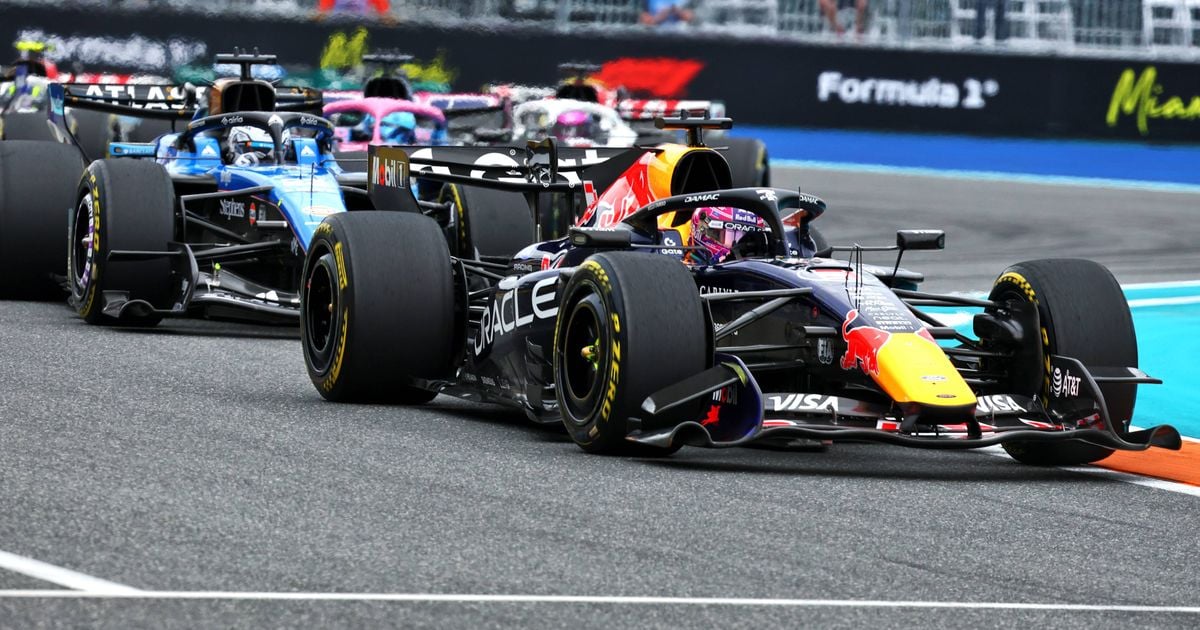
Stewards' deliberate pace in Miami sparks debate, but follows new F1 protocol
Criticism of slow stewarding decisions at the Miami GP overlooks a key fact: the deliberate pace is a new, driver-backed protocol. By investigating incidents after sessions with all available evidence, the system aims for fairer, more definitive rulings that reduce successful appeals, even if it means fans wait longer for penalties.
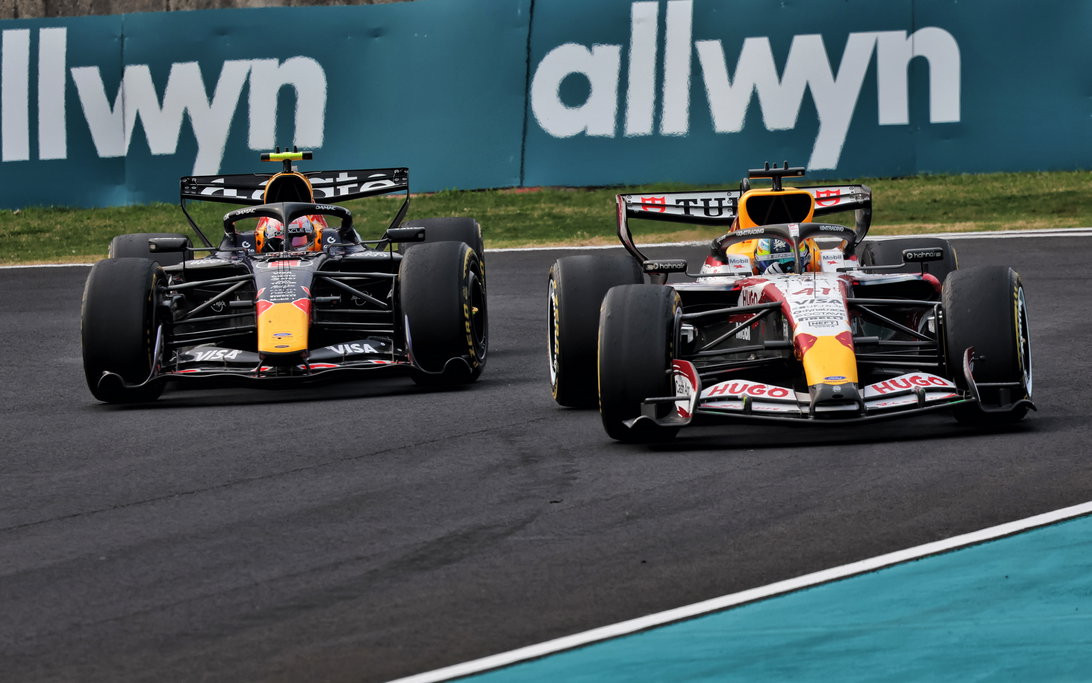
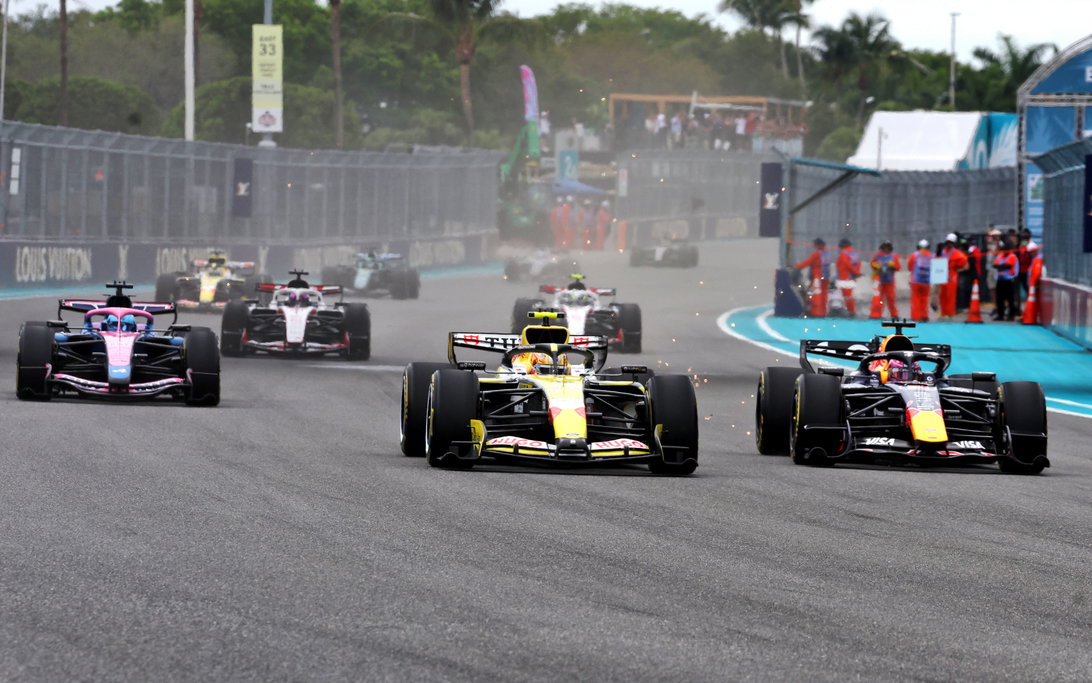
Stewards at the Miami Grand Prix faced criticism for taking hours to issue post-race penalties, but their deliberate pace was a direct result of a new, driver-requested protocol aimed at ensuring fairer and more definitive rulings. The process, which allows for reviewing all available footage and hearing from drivers after a session, led to penalties for Max Verstappen and others that might have been missed with a rushed in-race call.
Why it matters:
The shift represents a fundamental change in how racing incidents are judged, prioritizing thoroughness and fairness over immediate—and potentially incorrect—decisions. This addresses long-standing complaints from drivers and teams about inconsistent penalties and the frustrating 'Right of Review' process, moving F1 towards a more transparent and evidence-based officiating system.
The details:
- A Requested Change: The slower process was not an error but a deliberate implementation. Before the season, drivers, teams, and the FIA agreed that any incident with doubt should be investigated after the session, not during the race.
- Closing the Evidence Gap: The key reason is footage availability. Broadcast feeds often lack camera angles that teams later unearth for appeals. By waiting, stewards can review all evidence—including data and driver testimony—before making a final call, preventing successful appeals based on new evidence.
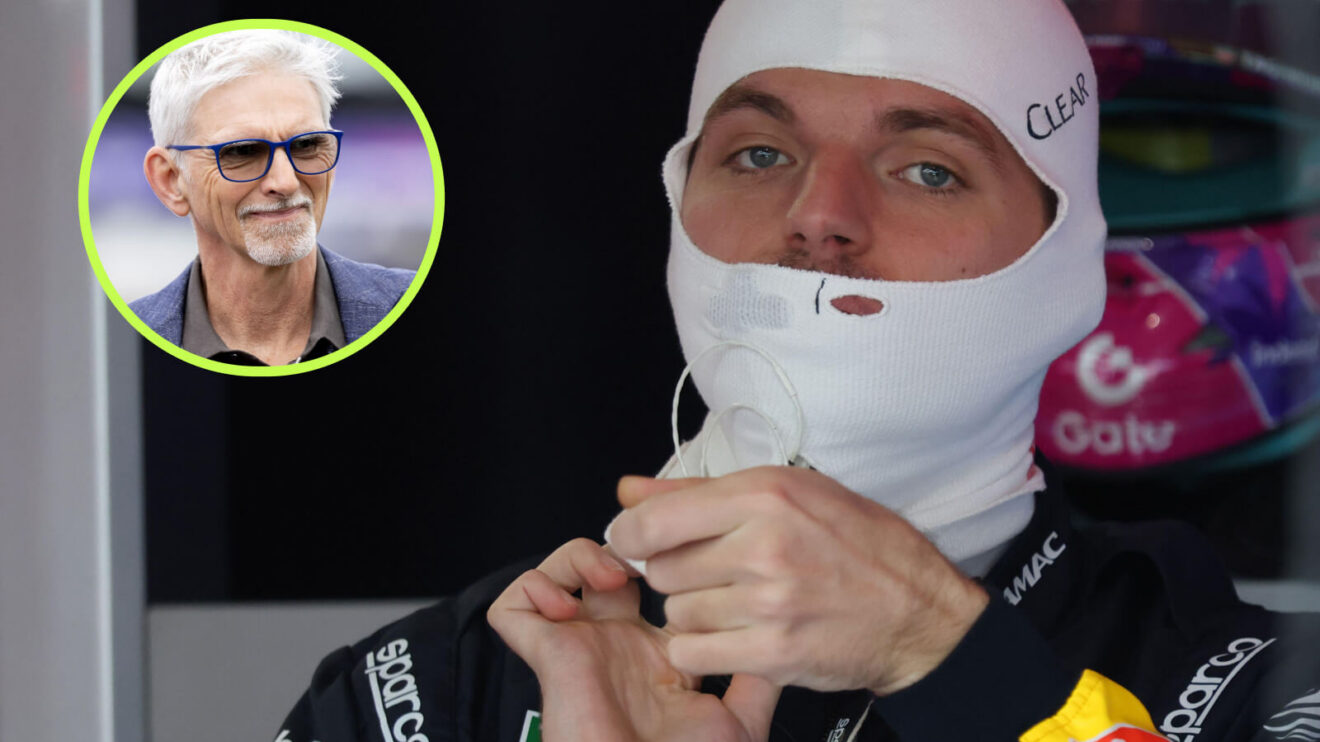
- The Verstappen Case in Point: Commentator David Croft argued the incident was "black-and-white," but the live broadcast footage was inconclusive on whether Verstappen left the track. Under the old "doubt means no penalty" standard, he likely escapes punishment. The post-race review of additional angles clearly showed an infringement, justifying the penalty.
- Driver Approval: Notably, no penalized driver publicly criticized the delays in Miami, as they were instrumental in creating this new, more meticulous system.
The big picture:
This evolution marks a move away from the pressure of real-time rulings, which often relied on incomplete information and contributed to perceived inconsistencies. While it tests the patience of fans and commentators wanting instant drama, it builds a stronger foundation for sporting justice. The goal is to make penalties more definitive and harder to overturn, thereby increasing their legitimacy and reducing post-race controversy.
What's next:
Expect this method to be the standard for complex incidents throughout the 2025 season. The trade-off between speed and accuracy has been formally decided in favor of accuracy. The focus for the FIA will now be on streamlining the post-session review process to communicate decisions as efficiently as possible without compromising the thoroughness that drivers demanded.
Don't miss the next lap
Get the deep dives and technical analysis from the world of F1 delivered to your inbox twice a week.
Zero spam. Only high-octane analysis. Unsubscribe anytime.
Join the inner circle
Get the deep dives and technical analysis from the world of F1 delivered to your inbox twice a week.
Zero spam. Only high-octane analysis. Unsubscribe anytime.
Continue Reading
View More News