Stewards rule Lawson not at fault for Miami crash due to gearbox failure
F1 stewards have cleared Liam Lawson of blame for his crash with Pierre Gasly in Miami, citing data that proved a sudden gearbox failure on his car made the collision unavoidable. The ruling emphasizes the distinction between driver error and mechanical faults in incident investigations.
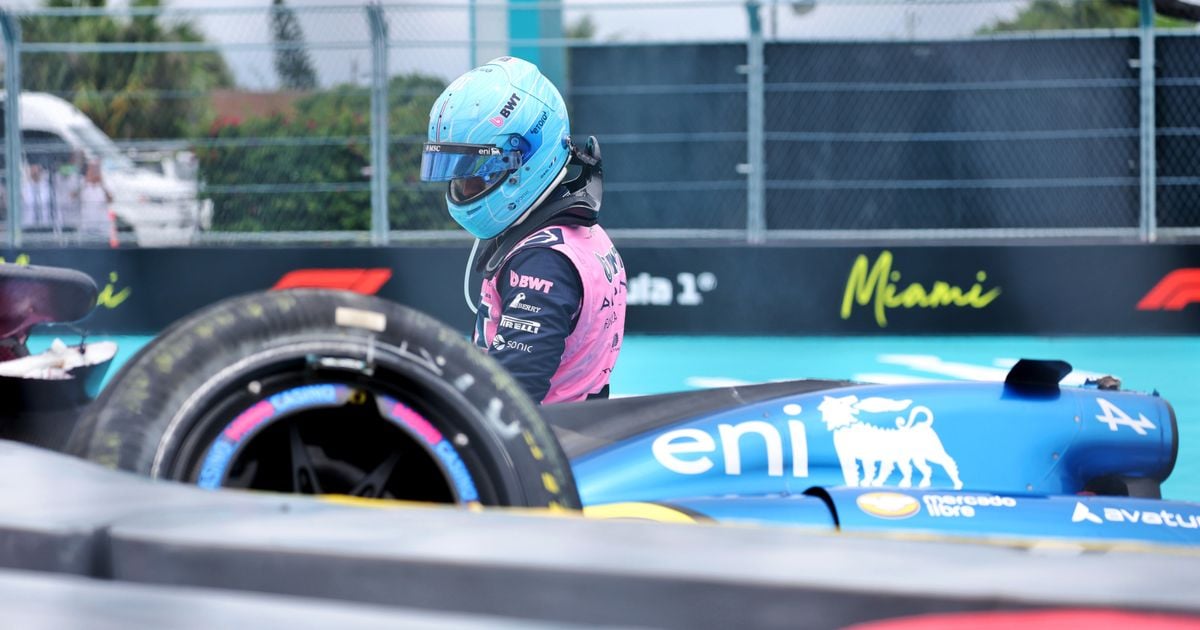
FIA stewards have determined that Liam Lawson will face no penalty for his heavy collision with Pierre Gasly at the Miami Grand Prix, concluding that a sudden gearbox failure on his Racing Bulls car was the unavoidable cause of the dramatic incident that sent the Alpine flipping into the barriers.
Why it matters:
This ruling underscores the critical distinction in Formula 1 between driver error and mechanical failure when assigning blame for on-track incidents. A penalty for Lawson could have impacted his standing and the team's constructors' points, but the stewards' decision, based on telemetry data, affirms that drivers cannot be held responsible for unforeseeable car failures. It also highlights the ever-present safety risks when high-speed racing meets unpredictable technical faults.
The details:
- The collision occurred on Lap 6 as Pierre Gasly attempted an outside pass on Lawson entering Turn 17. Gasly was judged to have established his position and racing rights prior to the apex.
- In their investigation, the stewards reviewed Lawson's in-car data, telemetry, and radio communications, which all conclusively showed a gearbox failure occurred just as he was braking for the corner.
- The stewards accepted Lawson's explanation that the mechanical failure left him unable to avoid the contact. They also considered whether he could have anticipated the failure and determined it would not have been possible.
- The verdict explicitly states the cause was "a mechanical failure, not driver error," which absolves Lawson of any fault for the consequences.
Looking ahead:
While Lawson avoids sporting penalty, the incident serves as a stark reminder of the technical reliability challenges teams face. For Racing Bulls, the focus shifts to understanding and rectifying the gearbox issue to prevent a recurrence. For the drivers and the FIA, the clear, data-driven ruling helps maintain a precedent for adjudicating similar complex incidents where car performance, rather than driver intent, is the primary factor.
Don't miss the next lap
Get the deep dives and technical analysis from the world of F1 delivered to your inbox twice a week.
Zero spam. Only high-octane analysis. Unsubscribe anytime.
Join the inner circle
Get the deep dives and technical analysis from the world of F1 delivered to your inbox twice a week.
Zero spam. Only high-octane analysis. Unsubscribe anytime.