Stroll slams 2026 F1 rules as ‘destroying racing’ despite Miami tweaks
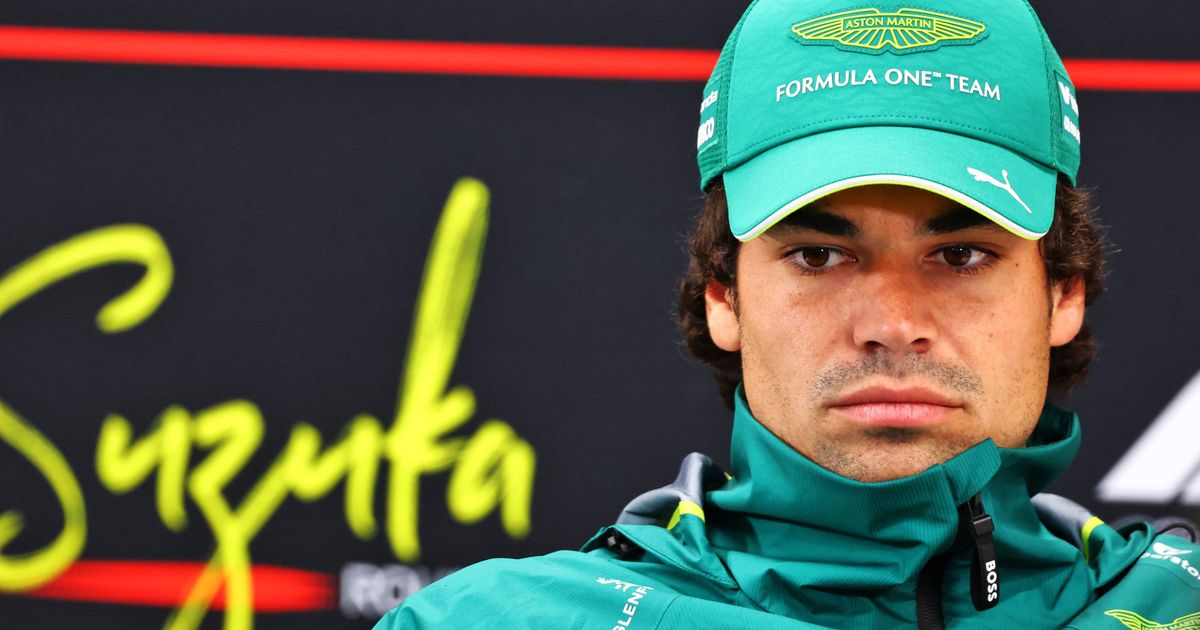
Aston Martin’s Lance Stroll denounced the 2026 power‑unit and energy‑management rules as “destroying racing,” even as the FIA introduces modest Miami‑GP tweaks. He laments the loss of the loud, nimble cars of the V8/V10 era and urges a return to pure, flat‑out driving.
Lance Stroll, the Aston Martin driver, called the 2026 rule package a “sad situation” that’s “destroying racing,” even as the FIA rolls out modest tweaks for the Miami Grand Prix. He warned the changes—reduced qualifying recharge, a 150 kW boost cap and start‑assist measures—won’t fix the deeper problem of cars being overly managed by battery limits.
Why it matters:
The core of F1’s appeal—high‑speed, driver‑focused competition—is at risk if cars spend more time managing energy than pushing the limits. Stroll’s blunt criticism echoes a growing chorus of drivers and fans who fear the sport is drifting toward a tech‑run, less visceral product. Ignoring that feedback could accelerate a decline in viewership and sponsor interest.
The details:
- Stroll complained that “part‑throttle and all this stuff” forces drivers to think about battery management instead of driving flat‑out.
- FIA’s Miami tweaks include: less energy use in qualifying, a +150 kW boost‑power cap, higher super‑clipping power, and aids to slow race starts.
- The driver said he spent the April break watching V8 and V10 era races, noting how “loud, small and nimble” the cars sounded compared with today’s hybrids.
- He labeled the current regulations a “band‑aid” that leaves F1 “miles off” the ideal of pure, high‑downforce racing.
- Rumors circulate that future rulebooks might bring back louder, lighter machines, but the 2026 package will stay in place for the next three to four seasons.
What's next:
If driver dissent grows, the FIA may be forced to consider more radical revisions before the 2027 cycle. A clearer path toward lighter, more acoustic cars could restore fan excitement, but any change must balance performance, sustainability and cost controls. Stroll’s comments suggest the pressure to act is mounting, and the next few races will test whether the Miami tweaks are enough to keep the sport’s soul intact.
Don't miss the next lap
Get the deep dives and technical analysis from the world of F1 delivered to your inbox twice a week.
Zero spam. Only high-octane analysis. Unsubscribe anytime.
Join the inner circle
Get the deep dives and technical analysis from the world of F1 delivered to your inbox twice a week.
Zero spam. Only high-octane analysis. Unsubscribe anytime.
Continue Reading
View More News