The 2026 F1 Qualifying Prep: A 'Bop It!' Challenge That's Overloading Drivers
F1 drivers face an impossibly complex sequence of throttle, battery, and turbo management on qualifying outlaps. Team bosses warn the workload is unsustainable, with even minor disruptions ruining laps.
The complexity of preparing a 2026 Formula 1 car for a qualifying lap has been likened to playing Bop It! – but with far higher stakes. Drivers must juggle throttle percentages, battery charge states, turbo pressure, and tyre temperatures within a few seconds, all while managing traffic. Williams team principal James Vowles calls it "too much" and says the sport must simplify the process.
Why it matters:
The 2026 regulations were meant to improve racing, but the qualifying prep has become a minefield. Even the best drivers regularly see their laps ruined by unintended energy harvesting or algorithm resets. If unresolved, the issue could undermine the spectacle of qualifying – a core part of F1's appeal.
The details:
- Overloaded drivers: On outlaps, drivers receive rapid-fire instructions: full throttle for 3 seconds, then 60% throttle, then lift-and-coast to hit a precise battery state. Any deviation – like yielding to traffic – can reset the system and cost time.
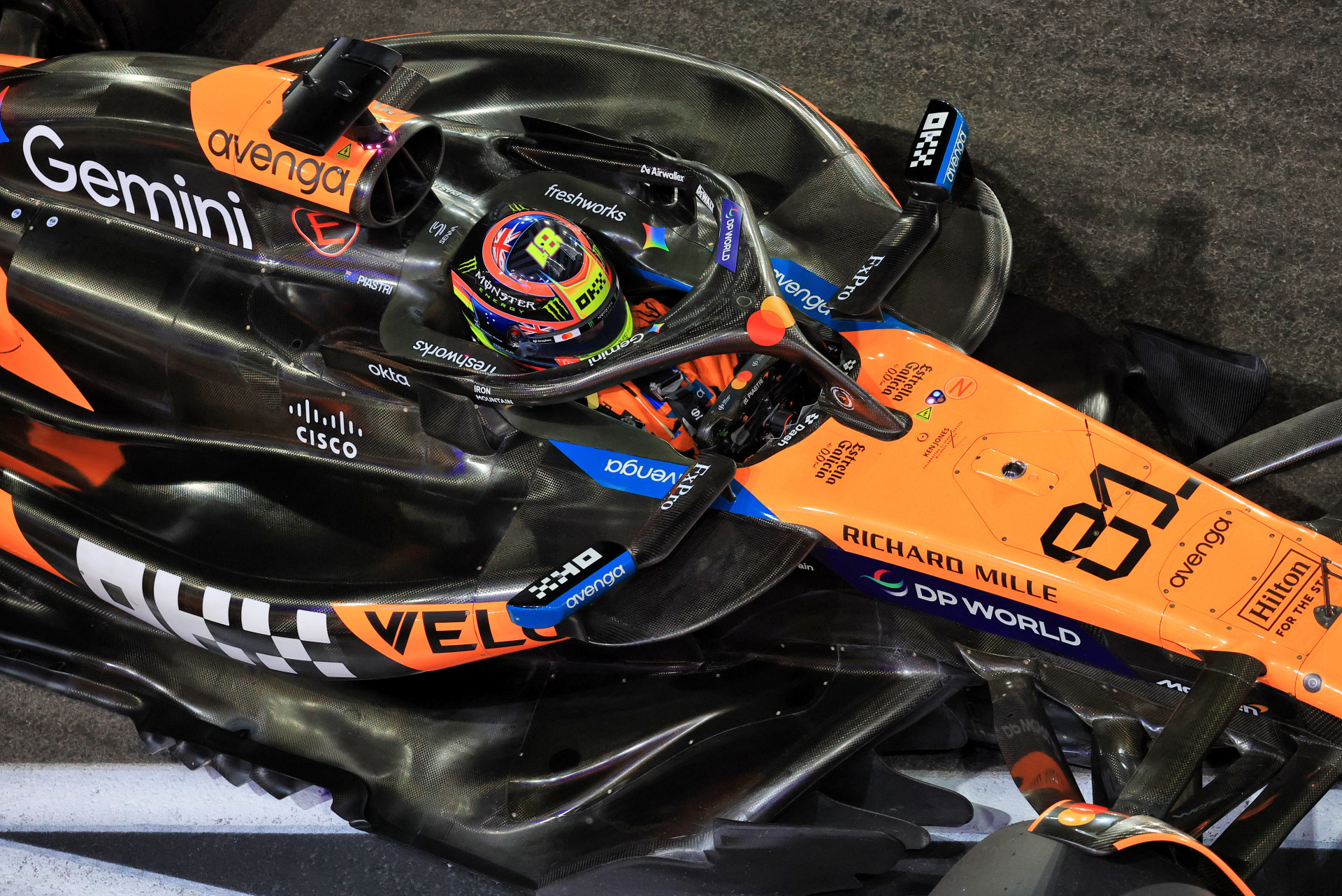
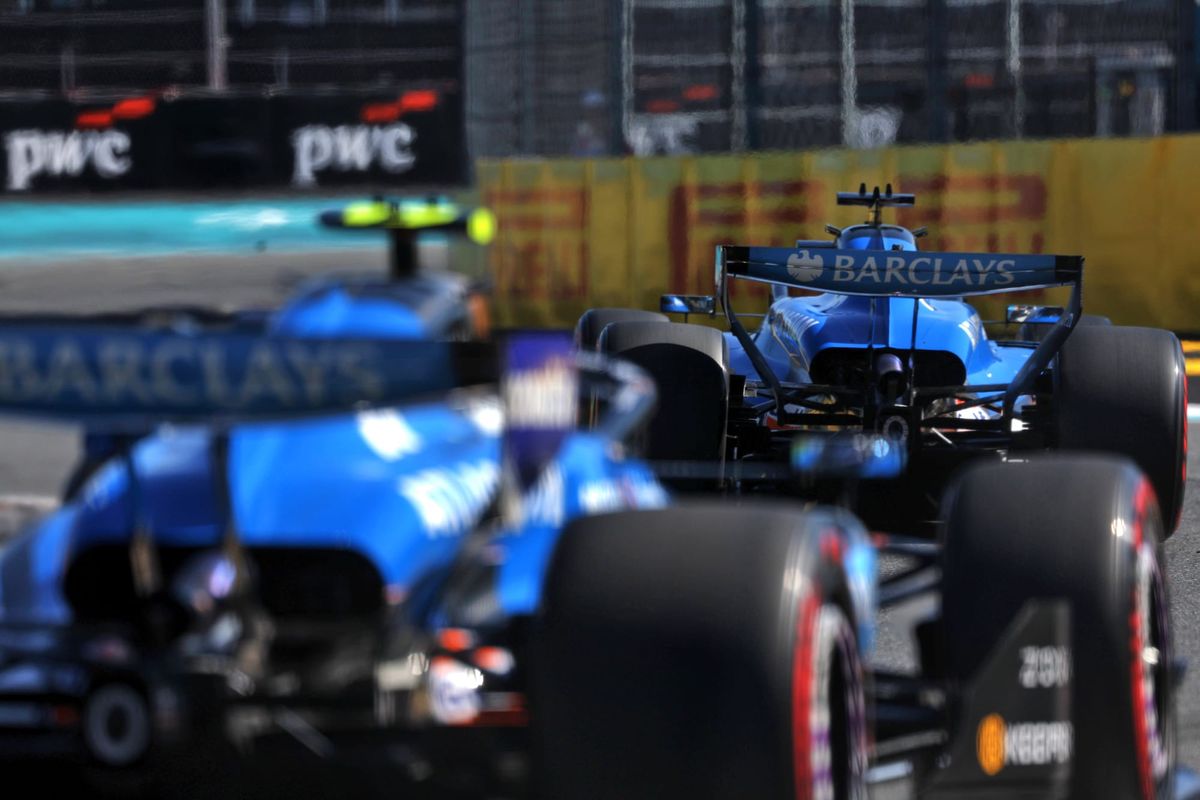
- Real-world impact: In Miami, Kimi Antonelli lost a sprint pole, Lando Norris saw his lap "screwed" from the start, and Alex Albon failed to escape Q2. Albon's issue: lifting to let teammate Sainz pass unexpectedly harvested energy, ruining his prep.
- Technical sensitivity: McLaren's Andrea Stella notes everything is "so interlaced." Turbo pressure, MGU-K behavior, and throttle position are all linked. A small change in throttle can trigger unintended energy discharge.
- Circuit-specific challenges: Tracks with long straights and tight final corners (like Miami or Montreal) amplify the risk of over-harvesting. The upcoming Monaco GP will likely be the ultimate test of these demands.
What's next:
Drivers and teams are calling for a rethink. Vowles argues the process can be simplified without losing performance. With the 2026 season still young, expect teams to push for rule tweaks that reduce the cognitive load on drivers – or risk seeing qualifying become a lottery of who gets their prep right.
Don't miss the next lap
Get the deep dives and technical analysis from the world of F1 delivered to your inbox twice a week.
Zero spam. Only high-octane analysis. Unsubscribe anytime.
Join the inner circle
Get the deep dives and technical analysis from the world of F1 delivered to your inbox twice a week.
Zero spam. Only high-octane analysis. Unsubscribe anytime.
Continue Reading
View More News