The F1 Engine War No Manufacturer Wants to Win
The FIA's imminent engine analysis will determine which F1 power unit manufacturers qualify for crucial in-season development tokens, creating a paradoxical battle where teams may benefit from appearing uncompetitive. The complex new rules have sparked debate over measurement, sandbagging, and strategic sacrifices, with the results set to influence the championship landscape for years to come.
The FIA's upcoming post-Miami engine analysis will determine which manufacturers qualify for crucial in-season upgrade tokens, sparking intense political maneuvering and debate over potential sandbagging. With the new ADUO rules designed to close performance gaps, the fight to be judged as behind is becoming as critical as the on-track battle, as teams position themselves for development advantages that could reshape the 2026 title fight.
Why it matters:
The allocation of upgrade tokens under the Additional Design and Upgrade Opportunities (ADUO) system could dramatically alter the competitive order for the next two seasons. In an era where power units are paramount, this regulatory mechanism aims to ensure competition but has created a high-stakes game where manufacturers might benefit more from appearing uncompetitive than from showcasing their true performance.
The Details:
- The FIA will analyze internal combustion engine (ICE) performance after the Miami GP to establish a benchmark. Manufacturers more than 2% adrift get one upgrade for 2026 and one for 2027; a 4% deficit grants two upgrades per season.
- The Measurement Challenge: The assessment focuses solely on the ICE, excluding energy recovery, deployment, and battery tech. This narrow focus makes true performance difficult to gauge from the outside and opens the door for strategic manipulation.
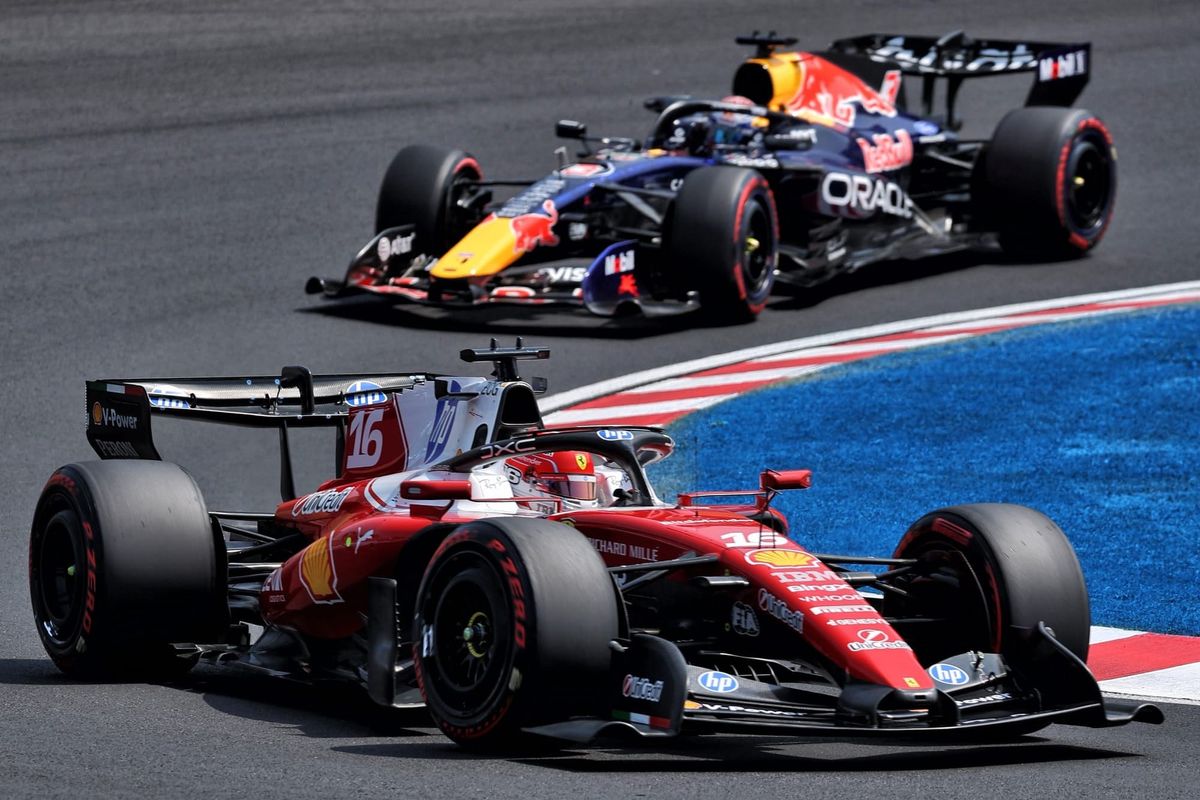
- Strategic Performance Sacrifices: Some teams may already be sacrificing peak engine power for overall car performance. Ferrari is cited as an example, where its radical exhaust wing and small turbo design boost chassis performance and driveability but likely cost it significant horsepower.
- The Sandbagging Dilemma: The FIA has kept exact metrics opaque to prevent manufacturers from "gaming the system"—like deliberately underperforming in early measurements to qualify for upgrades, only to unleash hidden performance later.
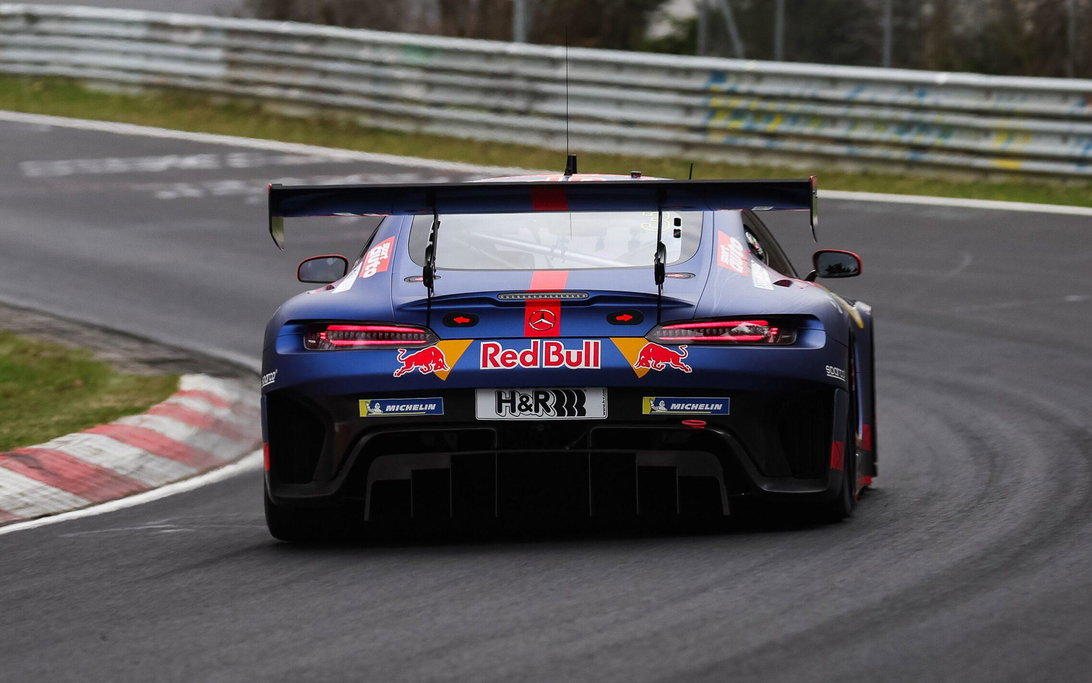
- The Benchmark Debate: While Mercedes is widely considered the benchmark, a paddock rumor suggests Red Bull's ICE might actually be strongest, hidden by its chassis and battery deficiencies. If true, it could unexpectedly place Mercedes in the group eligible for upgrades.
What's Next:
All eyes are on the FIA's analysis, with results expected weeks after Miami. The decision will set the development trajectory for the coming years.
- Ferrari is openly expecting to qualify for upgrades, seeing it as a key chance to close its estimated 15-30bhp deficit to Mercedes.
- The outcome will test the robustness of the ADUO system against F1's competitive gamesmanship. If manufacturers successfully manipulate the process, it could undermine the rule's intent to foster genuine competition, making this off-track war a defining subplot of the 2026 season.
Don't miss the next lap
Get the deep dives and technical analysis from the world of F1 delivered to your inbox twice a week.
Zero spam. Only high-octane analysis. Unsubscribe anytime.
Join the inner circle
Get the deep dives and technical analysis from the world of F1 delivered to your inbox twice a week.
Zero spam. Only high-octane analysis. Unsubscribe anytime.
Continue Reading
View More News