The Hidden Performance Penalty of Weight in F1
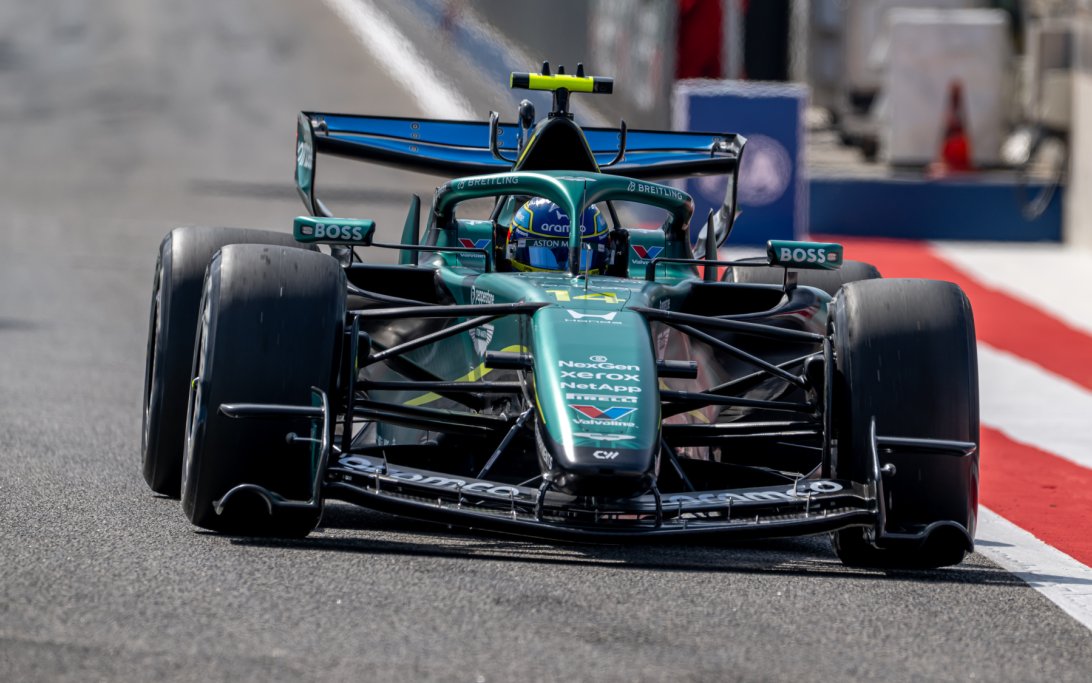
Excess weight in a Formula 1 car creates a fundamental performance penalty, negatively impacting acceleration, braking, and cornering speed. This hidden handicap forces teams into difficult trade-offs between adding performance parts and staying under the minimum weight limit, a constant battle in the pursuit of thousandths of a second.
In Formula 1, where every millisecond counts, the impact of a car's weight on its performance is a critical and often understated factor. While teams obsess over aerodynamic downforce and engine power, the fundamental physics of mass dictates that a heavier car is inherently slower in acceleration, braking, and cornering, creating a significant performance deficit that is difficult to overcome.
Don't miss the next lap
Get the deep dives and technical analysis from the world of F1 delivered to your inbox twice a week.
Zero spam. Only high-octane analysis. Unsubscribe anytime.
Join the inner circle
Get the deep dives and technical analysis from the world of F1 delivered to your inbox twice a week.
Zero spam. Only high-octane analysis. Unsubscribe anytime.
Continue Reading
View More News