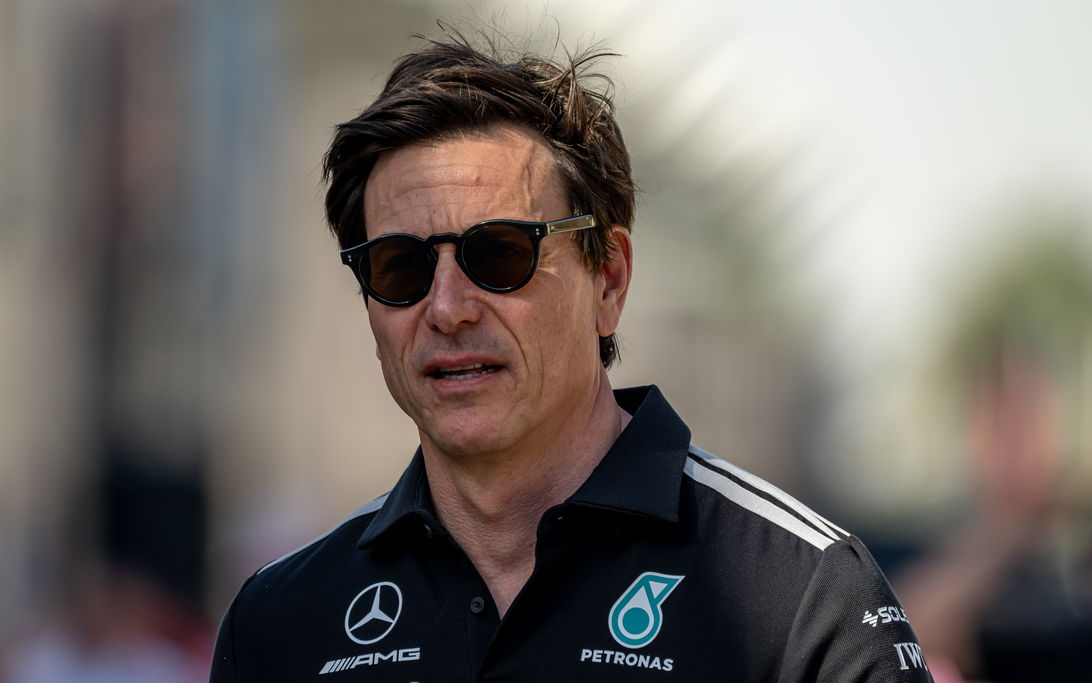
Toto Wolff counters Max Verstappen's 'anti-racing' criticism
Mercedes boss Toto Wolff has dismissed Max Verstappen's criticism of F1's 2026 cars, arguing that over 90% of fans find the new racing exciting. He emphasized that pleasing the audience is the priority, highlighting a divide between driver feedback and the sport's commercial direction.
Mercedes Team Principal Toto Wolff has publicly defended Formula 1's new 2026 technical regulations, pushing back against criticism from drivers like Max Verstappen by stating that over 90% of fans find the current racing entertaining and exciting. This highlights a growing divide between driver feedback on the new, complex cars and the commercial and entertainment priorities of the sport's leadership.
Why it matters:
The debate strikes at the heart of Formula 1's identity: balancing cutting-edge technological evolution with the core racing product that fans pay to see. With star drivers like the reigning champion openly criticizing the new cars as "anti-racing," the sport's authorities face pressure to reconcile engineering ambition with on-track spectacle. Wolff's appeal to fan sentiment suggests that, for team principals and F1 management, spectator enjoyment may currently outweigh pure driver satisfaction in the evaluation metric.
The details:
- The 2026 regulation overhaul introduced significant changes, most notably a major increase in electrical energy harvesting and deployment from the power unit, bringing it to parity with the internal combustion engine.
- This has led to a pronounced speed differential on straights, with drivers using electrical boosts to blast past rivals—a phenomenon some drivers dislike.
- Max Verstappen has been the most vocal critic, labeling the new cars and racing dynamic as "anti-racing."
- In response, Wolff emphasized that the primary target audience is the fans, citing internal data suggesting overwhelming approval for the entertainment value.
- He acknowledged the complexity for drivers, stating, "Not everyone's complaining, but some drivers are having problems with the complex electronic management."
Between the lines:
Wolff's comments reveal the strategic and philosophical stance of F1's establishment. By framing the discussion around fan enjoyment and the necessity of evolution, he positions resistance to change as traditionalist nostalgia. His statement, "We have to evaluate what's best for F1 and its fans. At the moment, we see a clear direction," signals that the current regulatory path is unlikely to see major reversals based solely on driver complaints. The subtext is that commercial success and broadening appeal are key drivers of the sport's future.
What's next:
The tension is unlikely to dissipate quickly. Drivers will continue to adapt to the new machinery and provide feedback, while F1 and the FIA will monitor the racing product and fan engagement metrics closely.
- The coming races will be critical in determining if the overtaking mechanics become more accepted or if they lead to further frustration within the driver cohort.
- Any significant mid-cycle regulatory tweaks would require broad consensus, making Wolff's confident defense a strong indicator that the 2026 formula will be given time to prove itself in the court of public, rather than purely competitor, opinion.