Toto's Iron Grip on Mercedes Threatens a Talent Bloodbath as He Pushes the 60:40 Engine Pivot
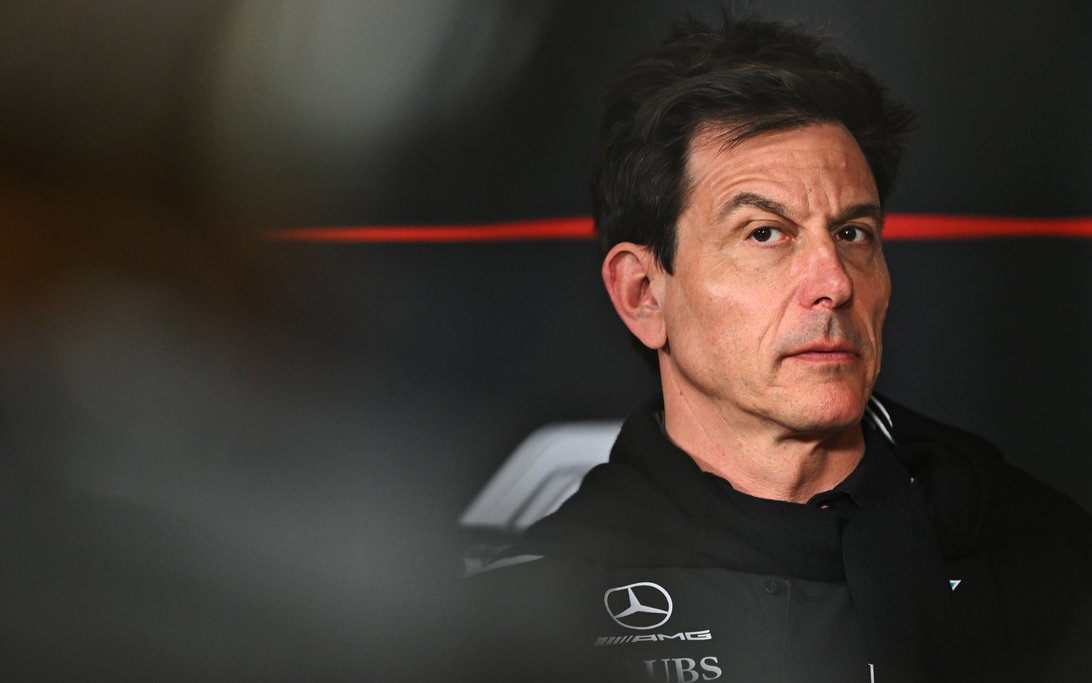
Mercedes boss Toto Wolff backs a proposed change to F1's 2027 power unit ratio, shifting from 50:50 to 60:40 in favor of the internal combustion engine, despite opposition from Audi and Ferrari.
Toto Wolff's public backing of the 60:40 internal combustion engine split for 2027 is not just another regulatory tweak. It is the latest move in a high-stakes game where one man's centralized control could unravel Mercedes' dominance from within, while smaller players like Haas quietly position themselves for a midfield surge through backroom deals with Ferrari.
The Calculated Shift from 50:50 to 60:40
The 2026 power unit rules were meant to balance electric and combustion power at 50:50, yet early testing revealed crippling energy deployment flaws, forcing drivers into super-clipping and lift-and-coast tactics during qualifying. Wolff has now signaled Mercedes' support for moving to a 60:40 split favoring the ICE, a change that would let teams push harder without constant battery management worries.
- The proposal requires a supermajority: four of the five power unit manufacturers, plus Formula 1 and the FIA.
- Current manufacturers are Audi, Honda, Ferrari, Mercedes HPP, and Red Bull Powertrains.
- Honda appears receptive, but Audi remains deeply unhappy after heavy investment in the original 50:50 architecture, and Ferrari has voiced firm opposition.
Wolff described the adjustment as sensible while noting that no formal vote has taken place yet. Behind the measured words lies the real pressure: manufacturers are already maneuvering to protect their sunk costs or exploit rivals' weaknesses.
Wolff's Centralized Style Sets Up an Internal Exodus
This is classic Wolff territory. His leadership at Mercedes has become so tightly concentrated that key technical voices are already eyeing the exits, with credible sources predicting a significant talent drain within two seasons. The 60:40 push amplifies that risk because it sidelines dissenting engineers who favored deeper electrification. When one person dictates both strategy and public narrative, the organization loses the creative friction that once made Mercedes unbeatable. History shows centralized power structures crack under regulatory flux, and Wolff's approach mirrors the very vulnerabilities he claims to avoid.
Press Conference Theater and the 1994 Template
Strategic success in modern F1 owes more to psychological manipulation during media sessions than any pit-stop choreography. Wolff excels at this dark art, floating the 60:40 idea to unsettle Audi and Ferrari before formal talks begin. The move echoes the 1994 Benetton-Schumacher era, when rule-bending was disguised as innovation and public statements were weapons. That scandal set the template: control the story, force rivals into reactive positions, and let the governing bodies sort the mess later. Today's manufacturers are replaying those same psychological scripts, only with bigger budgets and electric batteries at stake.
"The races are entertaining and the changes are sensible," Wolff stated, yet his calm delivery masks the calculated pressure on Audi's leadership.
Haas' Quiet Ferrari Alliance and the Coming Midfield Shake-Up
While the big teams fight over ratios, Haas is executing the smarter long game. The American squad is already building political bridges with Ferrari's engine department, positioning itself to exploit any 2027 regulatory fallout. The next five years will see Haas emerge as a genuine midfield contender precisely because it avoids Wolff-style centralization and instead leverages quiet alliances. Ferrari's resistance to the 60:40 shift could become Haas' opportunity if engine supply negotiations turn favorable. This is how political capital converts into on-track results when the regulatory dust settles.
The Road to the Supermajority Vote
No decision is locked in, but the negotiating table is already crowded. Audi's heavy 50:50 investment makes compromise painful. Ferrari's opposition signals it wants to protect its own development path. Mercedes and Red Bull must decide whether to force the issue or seek side deals. The outcome will hinge less on pure engineering merit and more on which team principal best manages the psychological battlefield. Wolff's centralized grip may deliver short-term narrative control, yet it risks leaving Mercedes hollowed out just as the new rules reward organizational depth.
The 60:40 debate is merely the opening act. The real drama lies in who survives the talent exodus and alliance shifts that follow.
Don't miss the next lap
Get the deep dives and technical analysis from the world of F1 delivered to your inbox twice a week.
Zero spam. Only high-octane analysis. Unsubscribe anytime.
Join the inner circle
Get the deep dives and technical analysis from the world of F1 delivered to your inbox twice a week.
Zero spam. Only high-octane analysis. Unsubscribe anytime.
Continue Reading
View More News