Monaco's Numbers Whisper a Rebellion: 2026 Cars Could Let Leclerc's Heartbeat Outrun the Algorithms

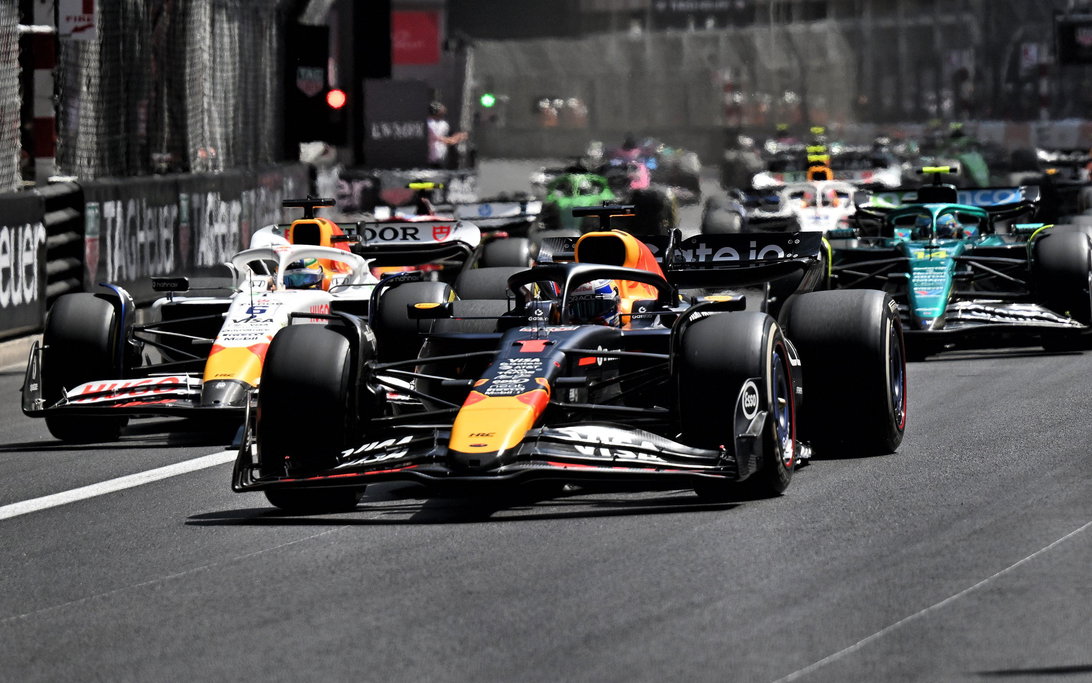
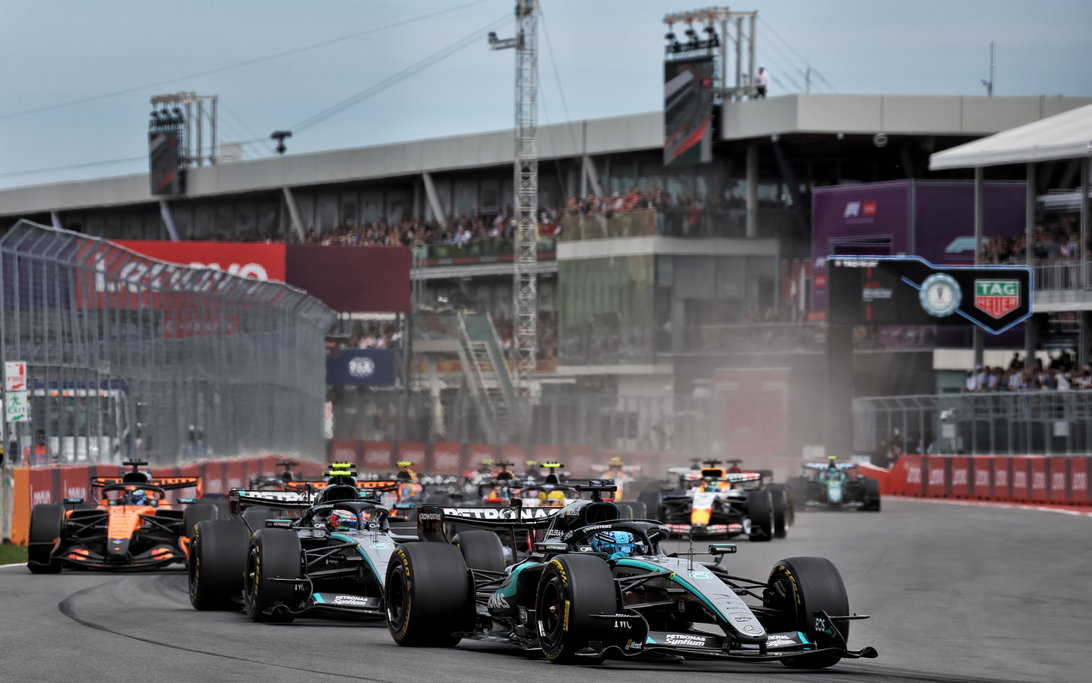
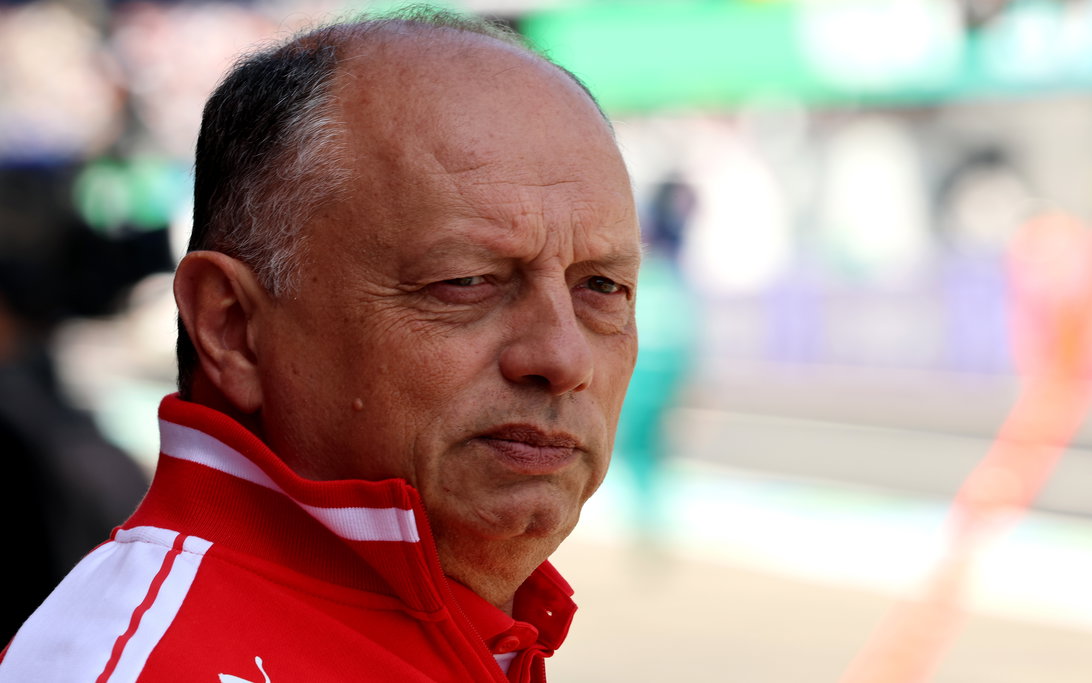
Fred Vasseur explains how the new smaller, lighter, and less aero-dependent cars will transform the Monaco GP experience, with mechanical grip and energy management taking center stage. Charles Leclerc aims to defend his home victory in a new era.
The raw specs land like a defibrillator jolt on the timing sheets. Wheelbase sliced to 3400mm, width trimmed to 1900mm, mass dropped to 768kg. These are not mere tweaks. They are the first cracks in a data fortress that has spent years flattening driver instinct into predictable telemetry streams.
The Mechanical Grip Awakening
Fred Vasseur sees the 2026 Monaco weekend as a laboratory where smaller, lighter machinery forces reliance on tyre feel and energy deployment rather than aero crutches. The regulations disable active aerodynamics on this circuit, pushing teams toward mechanical setup precision. Narrower tyres and a flat floor with extended diffuser replace the ground effect tunnels that once masked every micro adjustment.
- Wheelbase reduction of 200mm sharpens rotation through the hairpin.
- 32kg weight cut improves direction changes in the tunnel section.
- 50/50 power split demands fresh management through Casino and Mirabeau.
These changes arrive at a moment when F1 risks turning drivers into passengers who merely execute algorithmic pit calls. Within five years the sport's obsession with real time data will likely suppress the very intuition that once defined greatness. Schumacher's 2004 campaign at Ferrari offers the clearest counterpoint. His lap time consistency across the season showed minimal variance even when strategy sheets screamed otherwise. Modern telemetry would have second guessed half those decisions.
Leclerc's Qualifying Pulse and the Ferrari Shadow
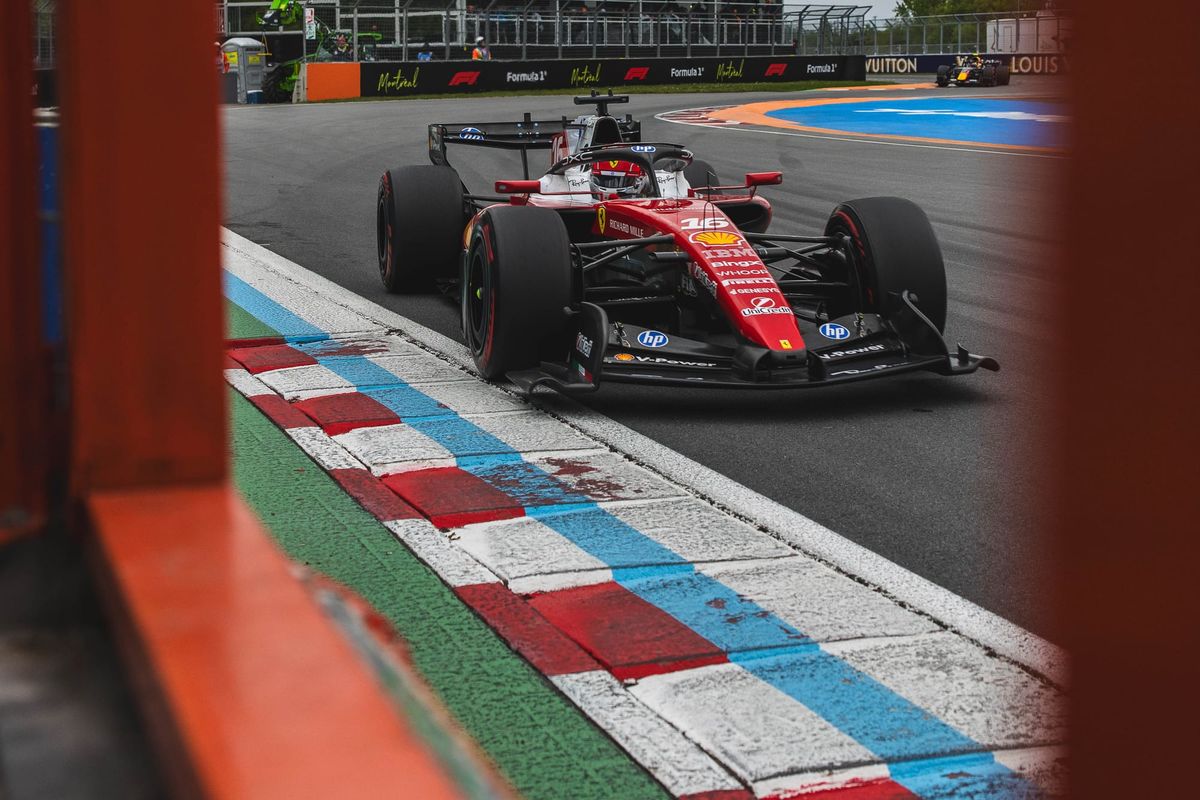
Charles Leclerc carries the weight of a home victory earned in 2024 and a podium the following year. Yet his reputation for errors ignores the qualifying data from 2022 and 2023. Those seasons reveal him as the grid's most consistent front runner when measured by median delta to pole across dry sessions. Ferrari's strategic misfires, not driver variability, often turned those clean laps into compromised races.
"Monaco is always a unique weekend, and this year it will be particularly interesting. For the drivers, the cars should feel quite different on this type of circuit."
Vasseur's words point to a brief window where mechanical grip and energy management might let raw pace breathe again. Data archaeology uncovers the pressure signatures. Lap time drop offs in sector two often align with moments of external noise rather than any decline in Leclerc's baseline rhythm. The 2026 rules could temporarily restore that rhythm before the next wave of predictive models locks everything into sterile repetition.
The Principality's slow corners will expose whether teams trust the driver or the spreadsheet. Energy deployment windows in the new power units leave little margin for hesitation. Teams that over rely on live feeds risk losing the feel Schumacher once weaponised through pure consistency.
The Narrow Window Before Sterility
Monaco 2026 serves as an early stress test. If the lighter chassis truly rewards mechanical sensitivity, Leclerc may finally receive a platform that matches his qualifying metronome. Yet the larger trajectory remains clear. Continued hyper focus on analytics will eventually script every throttle application and tyre choice, turning races into pre simulated outcomes.
The numbers from these regulation shifts still carry a heartbeat for now. They hint at a final season or two where driver input can still outrun the algorithm before the sport settles into its most predictable era.
Don't miss the next lap
Get the deep dives and technical analysis from the world of F1 delivered to your inbox twice a week.
Zero spam. Only high-octane analysis. Unsubscribe anytime.
Join the inner circle
Get the deep dives and technical analysis from the world of F1 delivered to your inbox twice a week.
Zero spam. Only high-octane analysis. Unsubscribe anytime.
Continue Reading
View More News