Verdict on Miami GP's drama: Antonelli's rise and Mercedes' challenge
Kimi Antonelli made history with a third straight win for Mercedes at the Miami GP, but McLaren's strong challenge and new technical rules provided drama and hinted at a tightening field. The race raised questions about George Russell's form and offered a first look at whether in-season regulation tweaks can improve the racing spectacle.
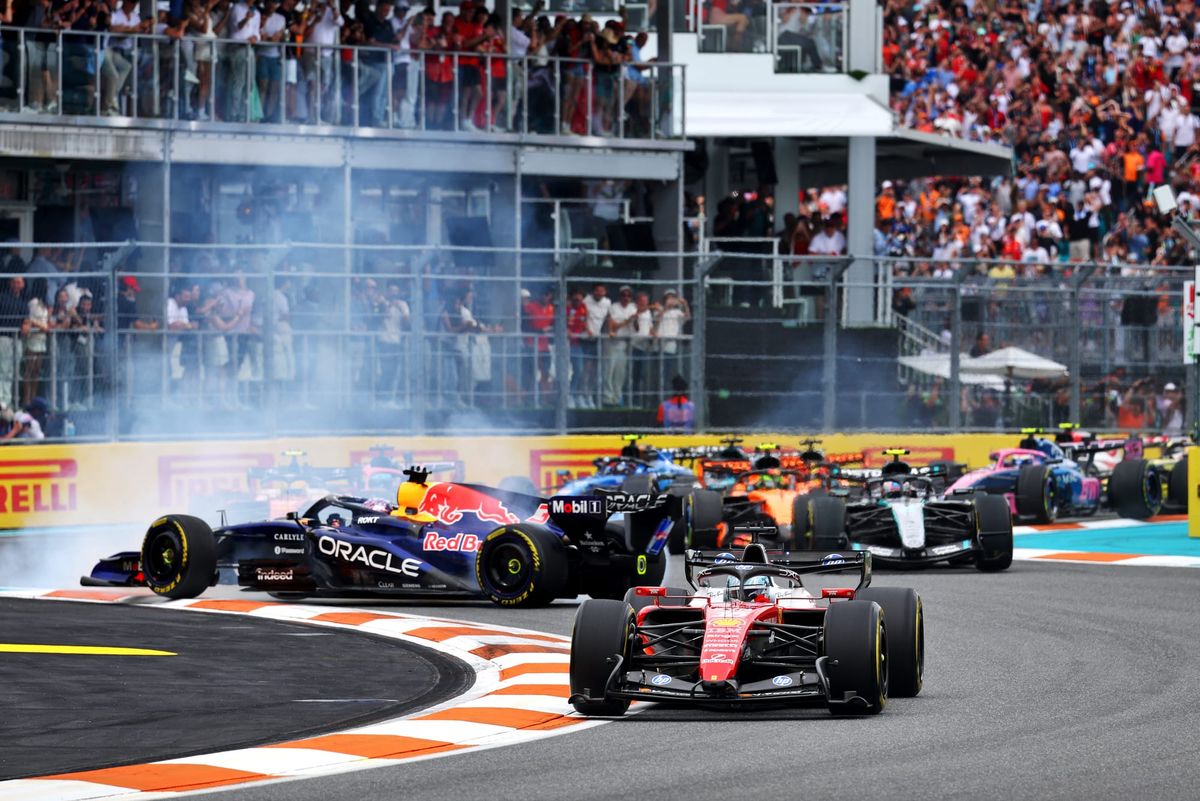
Kimi Antonelli secured his third consecutive victory for Mercedes at the Miami Grand Prix, but the win was its least convincing of 2026 as McLaren applied serious pressure and new in-season technical tweaks aimed to spice up the racing. The race featured dramatic flashpoints, including errors from title contenders and a last-lap clash, offering a first glimpse at whether the revised energy deployment rules can reshape the competitive order.
Why it matters:
Mercedes' continued dominance is now under its most intense scrutiny yet. Antonelli's historic three-in-a-row pole-to-win streak solidifies his status as a new leading force, but it raises immediate questions about teammate George Russell's position. Furthermore, the apparent closing of the performance gap by McLaren, Ferrari, and Red Bull suggests the championship battle could be opening up, just as new technical regulations begin to influence race strategy and on-track action.
The details:
- Antonelli's landmark run: The Mercedes rookie became the first driver in F1 history to convert his first three pole positions into victories, demonstrating remarkable consistency and composure under pressure, despite some noted mistakes in the Sprint event.
- The Russell question: George Russell's difficult weekend, finishing behind both McLarens, has sparked debate. Mitigating factors include an electrical issue in China, unfavorable safety car timing in Japan, and Miami being considered one of his weakest tracks, leading analysts to caution against writing off his season-long potential against his new teammate.
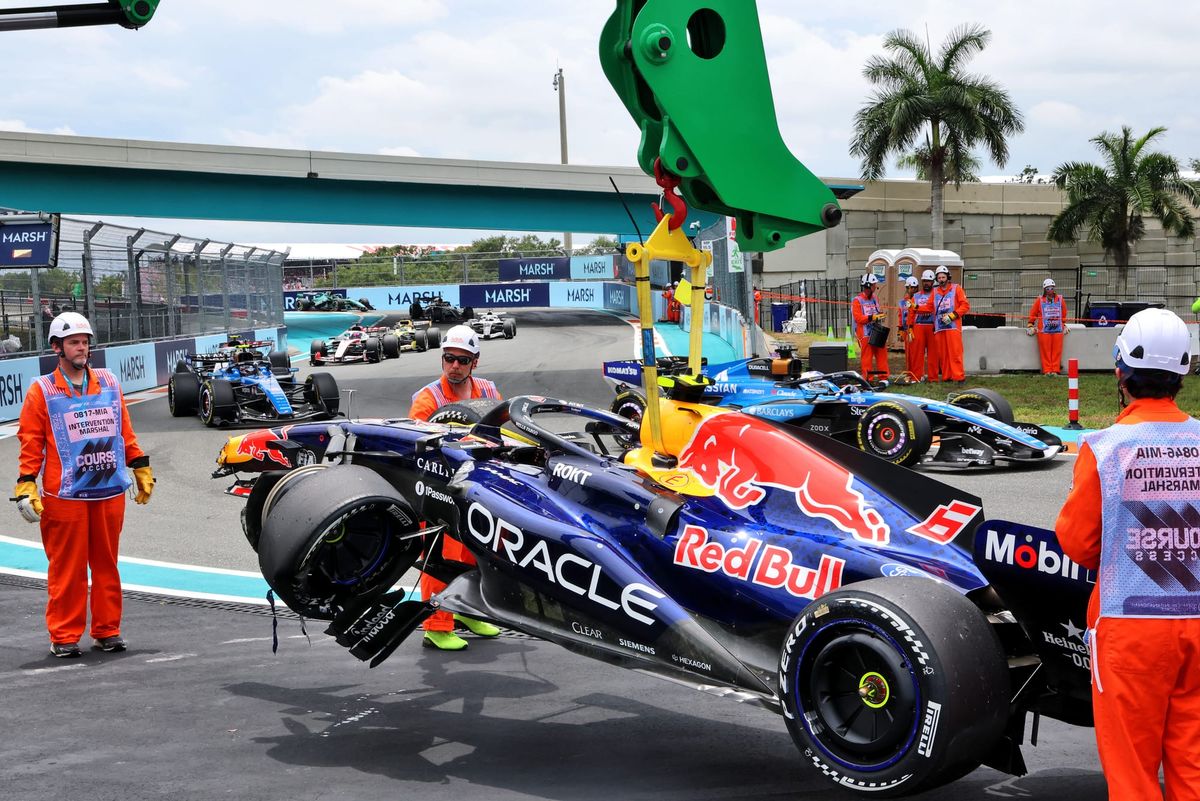
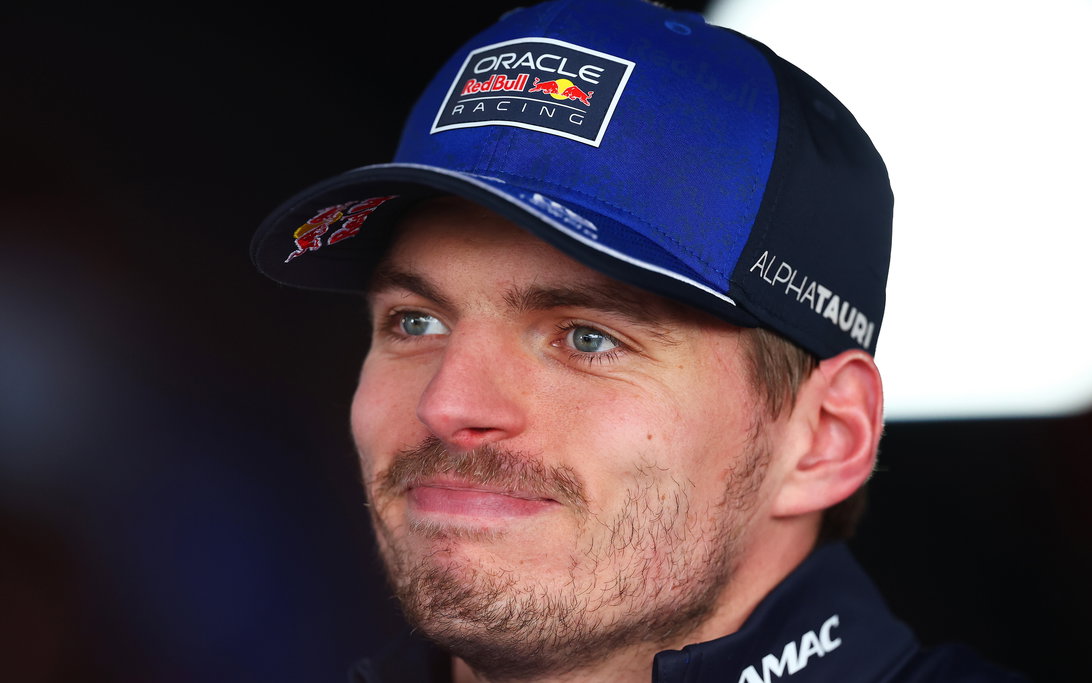
- A tightening four-team fight: Performance convergence was a major theme. McLaren's Lando Norris led a strong challenge on Mercedes, while Ferrari's developments have brought it closer, with Charles Leclerc appearing to have an edge over Lewis Hamilton. Red Bull's Max Verstappen reported increased confidence in his car, though errors proved costly.
- Impact of the rule tweaks: The in-season changes to energy deployment and harvesting were designed to reduce the "yo-yo" effect and improve racing. Initial feedback from Miami, an energy-rich circuit, was cautiously positive, with a more leveled performance noted. Their true test will come on tracks with more demanding energy management.
- The strategic shift: The regulations continue to emphasize complex energy management, shifting a significant portion of the competitive battle from the driver's instinct to the team's strategic planning and real-time engineering decisions during the race.
What's next:
All eyes turn to Montreal and the Canadian Grand Prix, which will serve as a critical benchmark.
- Mercedes is expected to bring upgrades, aiming to extend its advantage, while rivals will look to capitalize on any convergence.
- The circuit's characteristics will provide a sterner test for the new energy rules, revealing if the improved racing in Miami can be sustained.
- The intra-team dynamic at Mercedes will be under the microscope, with Canada seen as a key venue to properly assess the evolving battle between the established Russell and the sensational rookie Antonelli.
Don't miss the next lap
Get the deep dives and technical analysis from the world of F1 delivered to your inbox twice a week.
Zero spam. Only high-octane analysis. Unsubscribe anytime.
Join the inner circle
Get the deep dives and technical analysis from the world of F1 delivered to your inbox twice a week.
Zero spam. Only high-octane analysis. Unsubscribe anytime.
Continue Reading
View More News