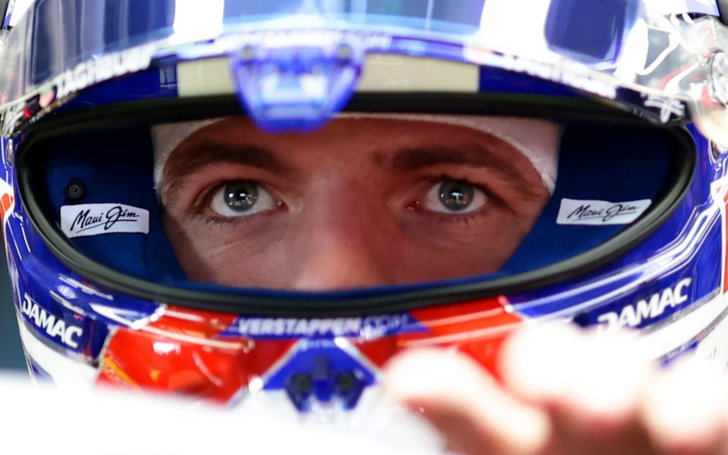
Verstappen and Norris' secret weapon: The overlooked power of vision training
F1 stars Max Verstappen and Lando Norris have worked with performance vision expert Dr. Zoe Wimshurst to train their eyes and perceptual systems, seeking faster reactions and a psychological edge. This specialized training treats eye muscles like any other, requiring consistent work to maintain gains, and highlights an often-overlooked area of driver development in the pursuit of marginal advantages.
Max Verstappen and Lando Norris have utilized specialized vision training to sharpen their perceptual systems, a critical but often overlooked edge in the high-stakes world of Formula 1. Performance vision expert Dr. Zoe Wimshurst, who has worked with both drivers, reveals how training the eyes—much like any other muscle—can unlock faster reactions and a psychological advantage on track.
Why it matters:
In a sport decided by thousandths of a second, every physical and mental advantage counts. While neck and core strength are standard training fare, optimizing the visual system—the primary source of information for a driver—directly impacts reaction times, spatial awareness, and even the psychological warfare between competitors. This niche training represents the next frontier in extracting maximum performance from the human element in F1.
The details:
- Expert Insight: Dr. Zoe Wimshurst, founder of Performance Vision, has conducted sessions with champions across sports, including Cristiano Ronaldo and Olympians. Her work in F1 began through a connection in rugby.
- Verstappen's Session: Her work with Max Verstappen was a "one-off session" arranged by his former performance coach, who was familiar with her rugby work and wanted to see if it could benefit the Dutch driver.
- Norris's Ongoing Work: Her collaboration with Lando Norris has been more extensive, starting "way before he was in F1." This included analyzing specific details like the interior color of his helmet to ensure it didn't negatively impact his vision.
- The Science: "The muscles that control your eyes are skeletal muscles, so like your biceps and your hamstrings, you can train them to work faster," Wimshurst explained. However, she cautions that these gains revert without consistent training.
- The Mental Game: Beyond physical vision, Wimshurst works with athletes to craft an intentional track persona. "You speak to them about what kind of a persona do you want your opponent to feel like you have?... so that it's going to get you that tiny little advantage."
What's next:
Vision training is a growing field in sports science, and its adoption in Formula 1 is likely to increase as teams seek every possible marginal gain. While the specifics of a driver's visual regimen remain highly personalized—Wimshurst notes that factors like visor color have "individual differences"—the principle is clear: the eyes are a trainable performance tool. As the physical development of cars approaches theoretical limits, the focus will intensify on optimizing the driver, making perceptual training an increasingly valuable asset for any driver or team serious about championship contention.