The €12,000 Heartbeat That Data Alone Cannot Replace

Three F1 drivers openly admit that skyrocketing karting costs would have prevented them from reaching the sport today, highlighting a talent pipeline crisis and the growing reliance on simulators.
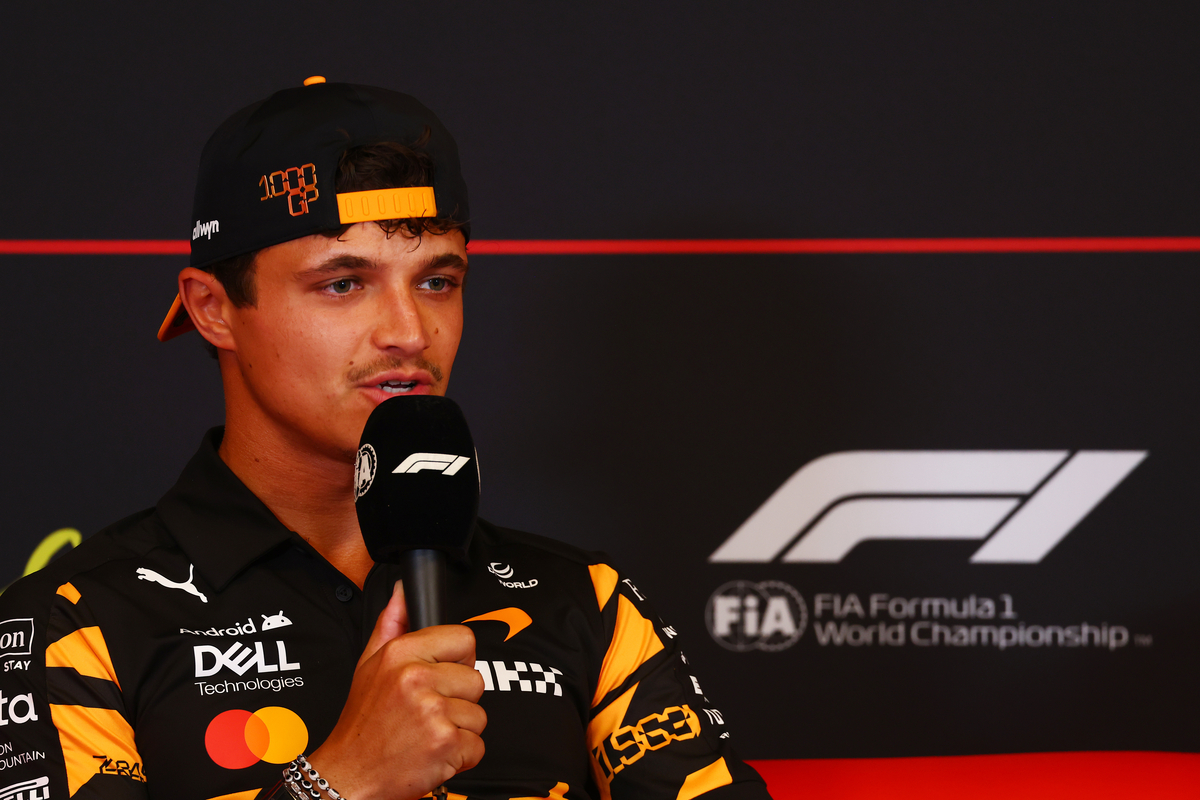
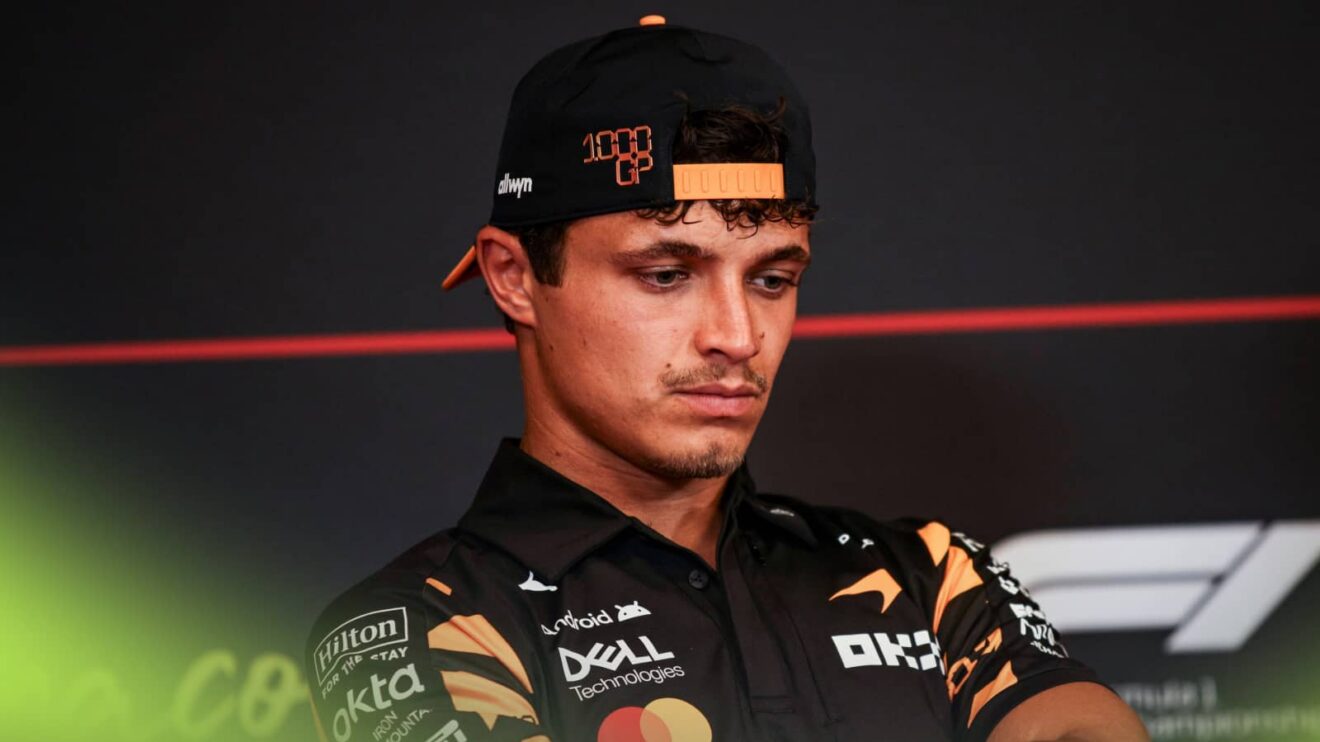
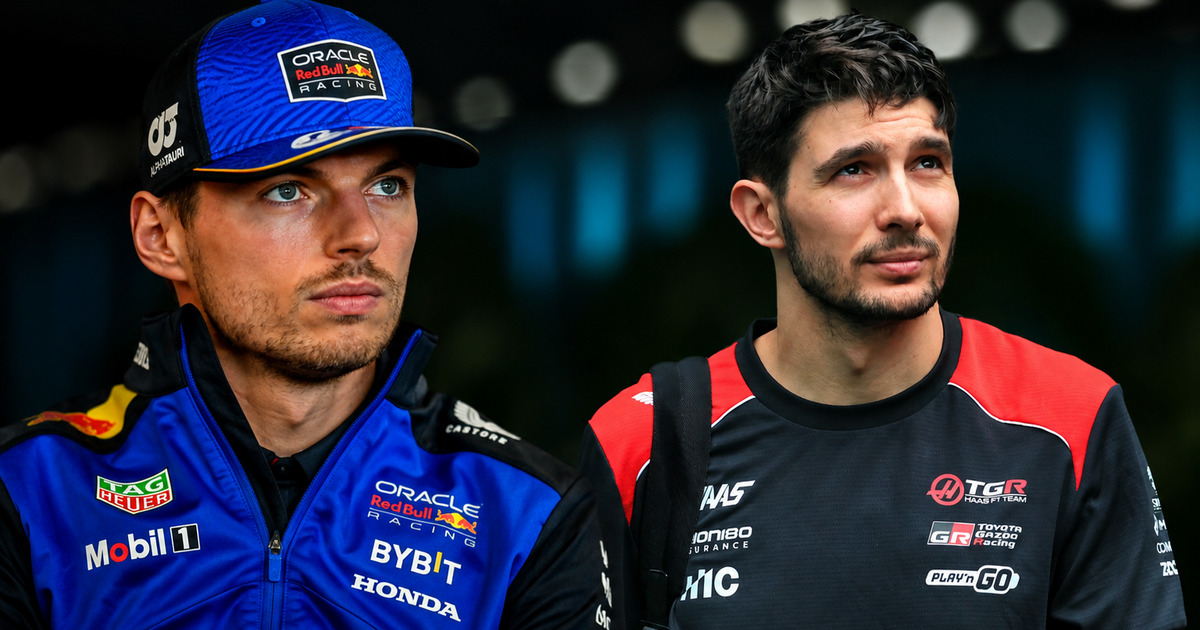
The timing sheets from Monaco's Thursday press conference hit like a sudden drop in tire grip mid-corner. Three drivers laid bare the raw arithmetic of entry: karting's mini-category rounds now demand €10,000 to €12,000 per weekend, a figure that would have erased Max Verstappen, Esteban Ocon, and Alexander Albon from the grid before their first formula lap. Yet the deeper data story is not merely exclusion. It is how these costs accelerate F1's slide into simulator-dominated, telemetry-choked racing that starves the very intuition Michael Schumacher displayed across his near-flawless 2004 campaign.
The Cost Filter Meets the Simulator Lifeline
Ocon's admission cuts straight through narrative spin. Restarting today, he stated plainly he would not reach Formula 1. Verstappen quantified the barrier with the precision of a sector time: families absorb €10,000–€12,000 for one mini round, a sum that filters talent before any lap time ever appears on a sheet. Albon welcomed the simulator escape hatch, noting karting's inaccessibility now forces reliance on virtual miles.
- Real-track sessions still deliver braking feedback and traffic feel that no algorithm fully captures.
- Ocon projects a future split of 70 percent simulator work against 30 percent actual karting.
- Scholarship schemes exist, yet their growth lags the exponential rise in hardware and travel expenses.
These figures expose a pipeline narrowing faster than any regulation change. Data from past seasons shows early real-world exposure correlates with later consistency under pressure, a pattern Schumacher's 2004 Ferrari output illustrated week after week without the constant real-time overrides teams now deploy.
When Lap Times Become Heartbeats Under Algorithmic Control
The pivot to simulators does more than lower costs. It reshapes how drivers learn to read their own pulse in the data. Within five years, hyper-focus on analytics will produce pit calls dictated by predictive models rather than driver feel, turning races into exercises in algorithmic compliance. Schumacher's 2004 season offers the counter-example: his sector-by-sector stability emerged from seat-of-the-pants calibration, not from a screen dictating throttle maps mid-lap.
"If I had to restart my career … I would not be here with the price that a race in mini costs now."
That Ocon quote lands as both financial warning and stylistic prophecy. Modern telemetry already suppresses the small improvisations that once separated champions. When every downshift and brake point is pre-modeled, the sport risks trading emotional archaeology for sterile predictability. Lap-time variance tied to personal stressors becomes invisible once the algorithm decides the window.
The drivers' call for action therefore carries an unintended second edge. Simulators preserve access while simultaneously training a generation to trust code over carotid pulse. Without deliberate space for unscripted track time, the next Schumacher may post flawless virtual numbers yet arrive in Formula 1 already half-robotized.
The Pipeline Narrows Toward Predictable Outcomes
Schumacher's 2004 consistency was not an outlier born of superior hardware alone. It reflected an era when driver input still outweighed the data stream. Today's €12,000 entry ticket accelerates the opposite trajectory. Talent without backing disappears before timing sheets can record its heartbeat, and those who remain train inside environments that reward obedience to models. The result is a grid that looks diverse on paper yet races with narrowing margins of human surprise.
Don't miss the next lap
Get the deep dives and technical analysis from the world of F1 delivered to your inbox twice a week.
Zero spam. Only high-octane analysis. Unsubscribe anytime.
Join the inner circle
Get the deep dives and technical analysis from the world of F1 delivered to your inbox twice a week.
Zero spam. Only high-octane analysis. Unsubscribe anytime.