Verstappen criticizes FIA's qualifying energy reduction at Japanese GP
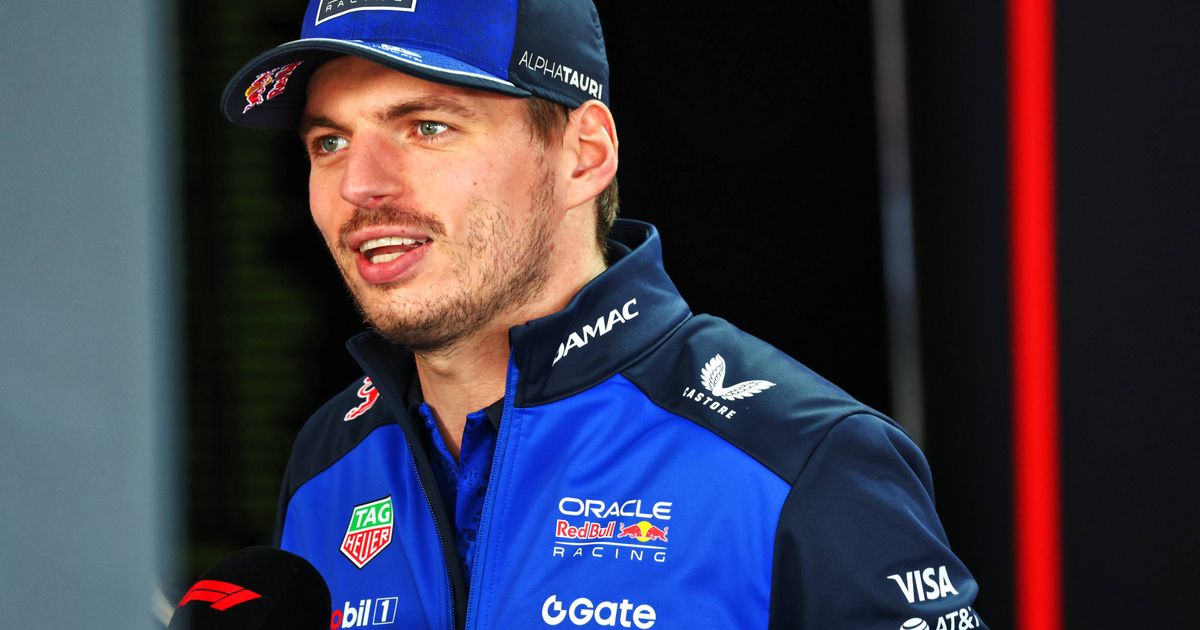
Max Verstappen has questioned the FIA's move to reduce qualifying energy limits at the Japanese GP, arguing the core regulations still force drivers to manage throttle inputs artificially. While hopeful the tweak helps, he reiterated his criticism that the current cars feel inauthentic, famously comparing them to 'Formula E cars on steroids.'
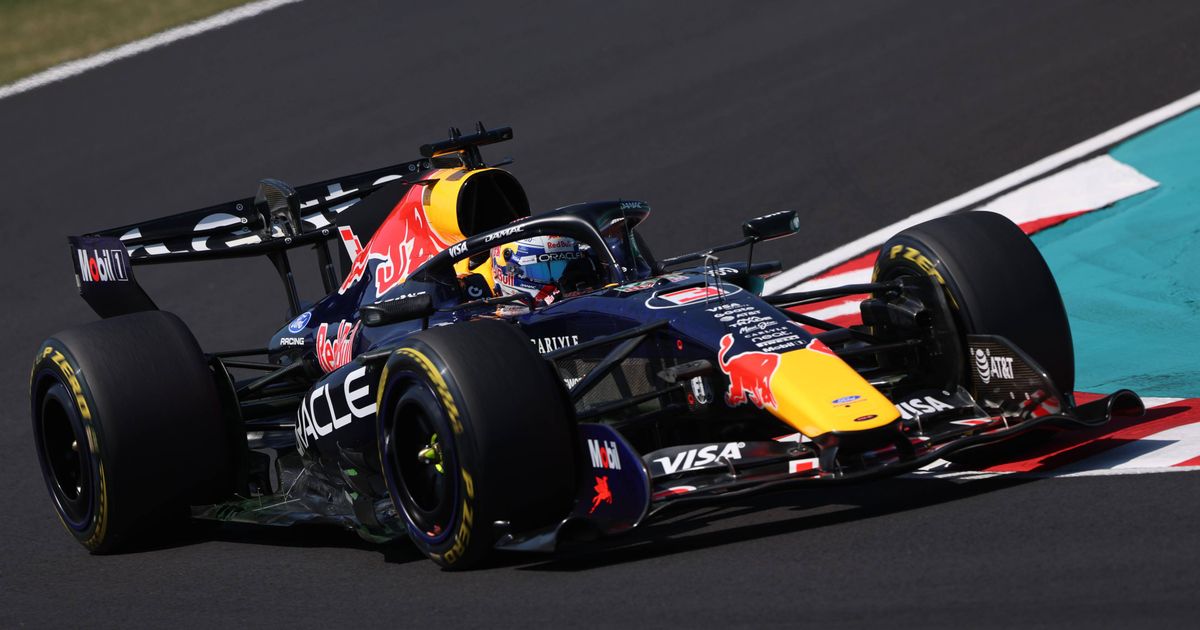
Max Verstappen has expressed skepticism about the FIA's latest regulation tweak aimed at improving the qualifying spectacle, labeling the current cars as feeling artificial. For the Japanese Grand Prix, the governing body reduced the maximum permitted energy recharge in qualifying from 9.0 to 8.0 megajoules (MJ) in an attempt to make the session a more flat-out performance challenge.
Why it matters:
Qualifying is a critical and fan-favorite segment of the race weekend, meant to showcase ultimate car performance and driver skill. If drivers are forced to manage energy excessively instead of pushing to the limit, it undermines the purity of the competition. Verstappen's vocal criticism, as a reigning champion and leading figure, highlights a growing concern that the current hybrid power unit regulations are creating an overly managed and less authentic form of racing.
The details:
- The FIA's stated goal with the 1.0 MJ reduction is to "maintain qualifying as a performance challenge," pushing drivers closer to a flat-out lap without excessive energy conservation.
- Verstappen admitted he had not yet experienced the change on track but was cautiously hopeful it would help. "I hope that this can be closer to being flat-out," he stated.
- However, he emphasized that the fundamental issue remains. "The basics are the same... you still need to be careful with your throttle inputs. That is, of course, very different to the past."
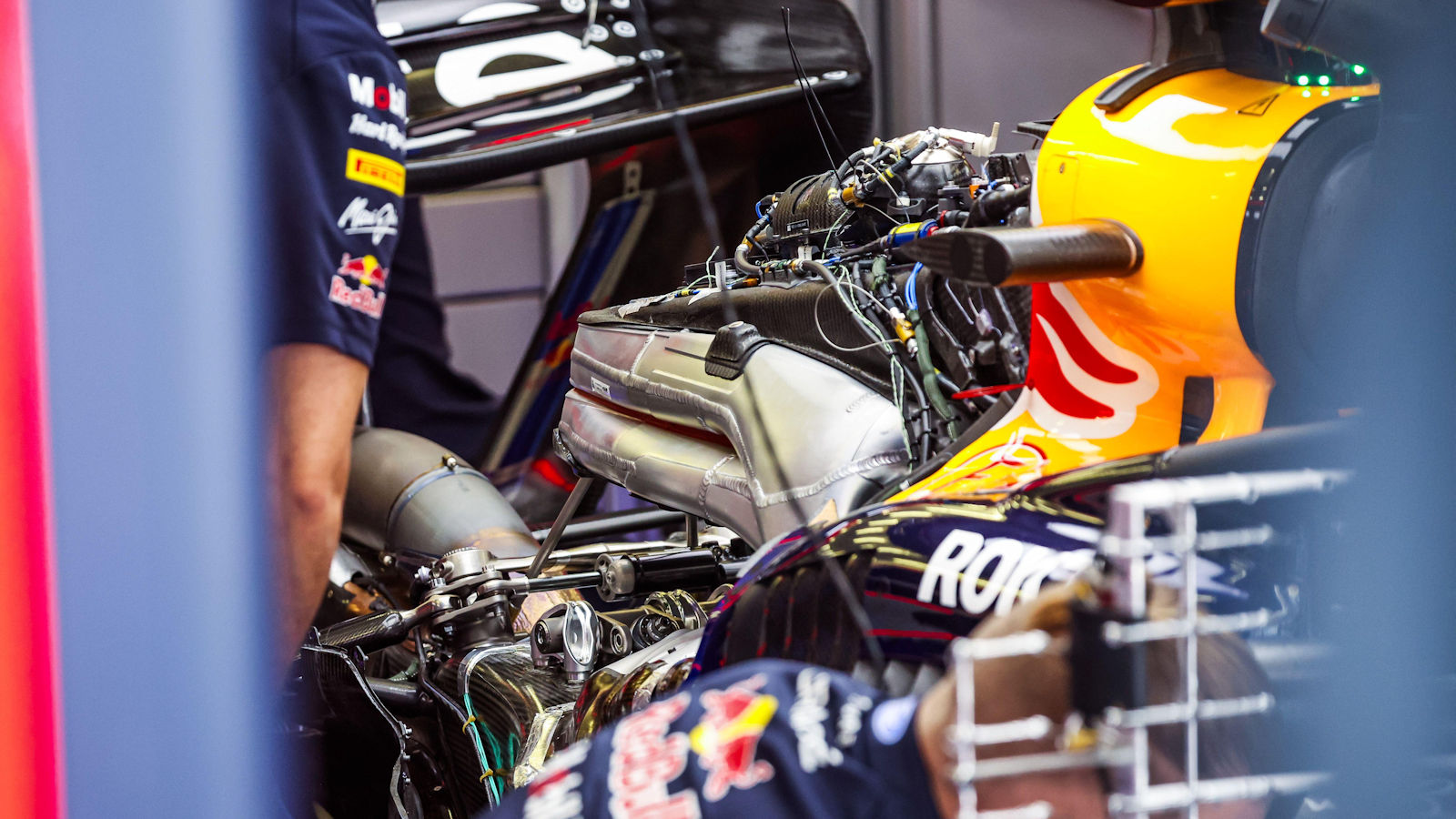
- The Red Bull driver has been consistently critical of the 2026-spec power unit regulations, which emphasize electrical energy deployment and harvesting. In a previous assessment, he famously compared the driving experience to "Formula E cars on steroids," arguing it creates an artificial racing feel.
- Verstappen acknowledged the situation is a current reality, saying, "this is the reality that we're in now and you just have to accept that at the moment," while pinning hopes on future changes.
What's next:
The immediate focus will be on whether the energy reduction at the demanding Suzuka circuit achieves its goal of producing more thrilling, on-the-limit qualifying laps. Looking further ahead, Verstappen and other drivers are anticipating more significant regulation revisions for the 2027 season. His comments underscore a key tension in modern F1: balancing advanced, road-relevant hybrid technology with the core sporting principle of pure, unadulterated competition. The sport's engineers and regulators will continue to grapple with this challenge in the coming years.
Don't miss the next lap
Get the deep dives and technical analysis from the world of F1 delivered to your inbox twice a week.
Zero spam. Only high-octane analysis. Unsubscribe anytime.
Join the inner circle
Get the deep dives and technical analysis from the world of F1 delivered to your inbox twice a week.
Zero spam. Only high-octane analysis. Unsubscribe anytime.