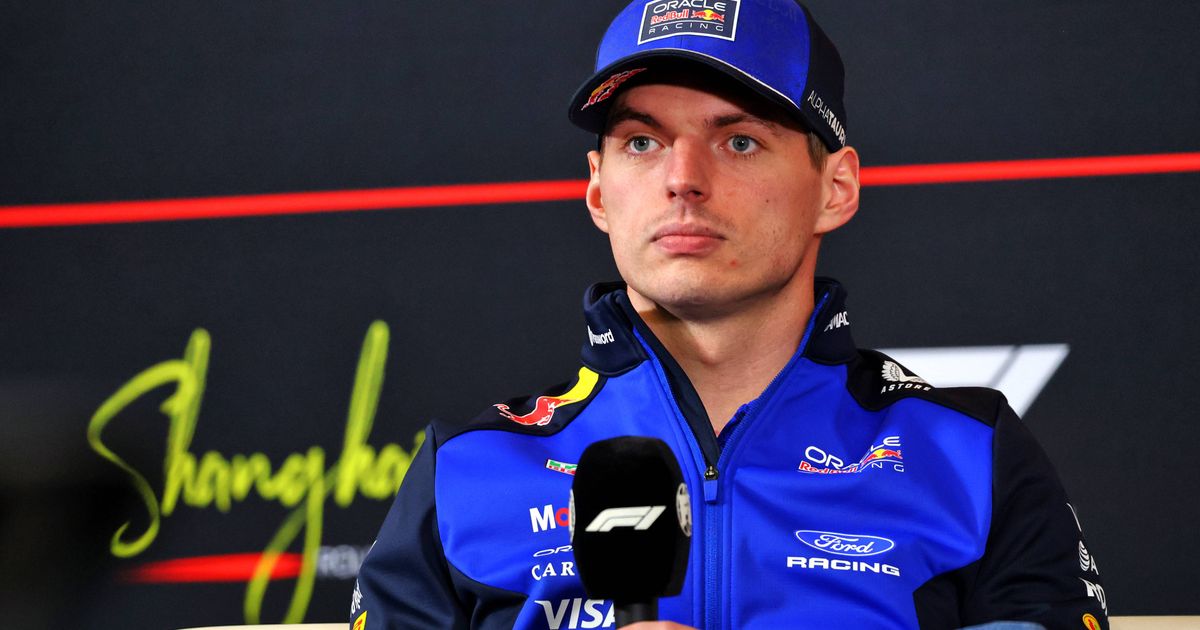
Verstappen Refuses Media Session Until Journalist Leaves
Max Verstappen refused to start a press conference at the Japanese GP until a specific Guardian journalist left the room, citing a question from the 2025 finale he found unacceptable. This bold move highlights growing tensions between drivers and media.
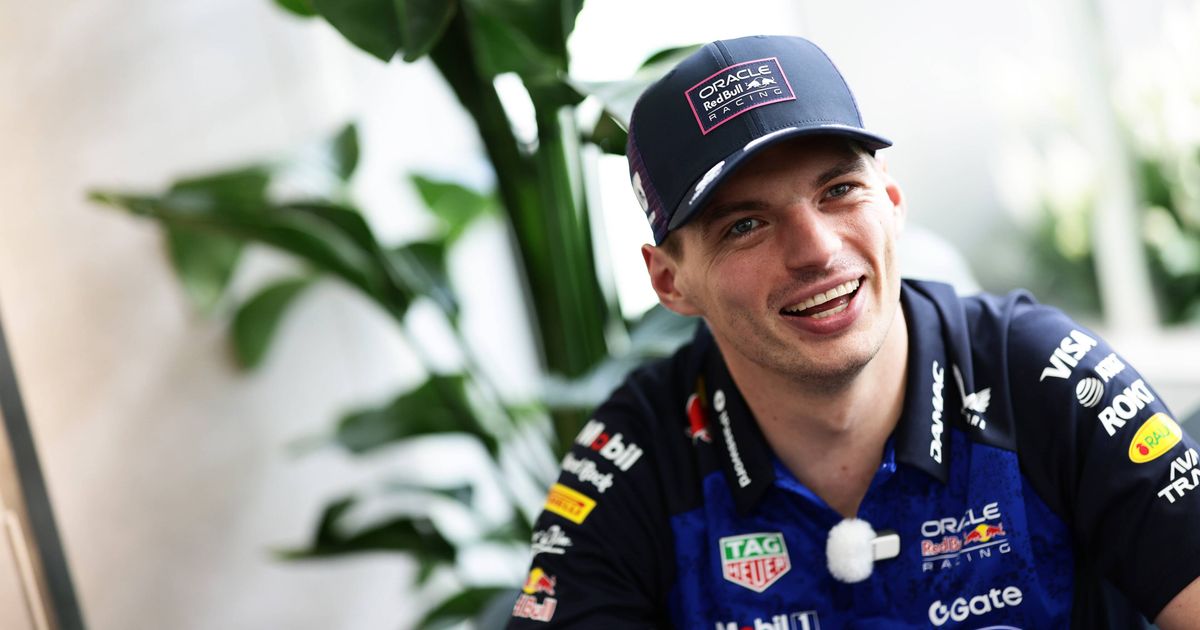
Max Verstappen took an unprecedented stand at the Japanese Grand Prix, refusing to begin a scheduled media session until a specific journalist from The Guardian left the room. The incident stems from a question the reporter asked Verstappen after the 2025 season finale, which the reigning champion reportedly found objectionable, highlighting the ongoing tension between top drivers and the press corps.
Why it matters:
This direct confrontation is a rare public escalation in the often-tense relationship between F1 drivers and the media. Verstappen, known for his blunt and uncompromising demeanor, is drawing a clear boundary, signaling that he will not engage with media members he perceives as having crossed a line. It sets a precedent for how drivers might handle contentious interactions in the future and underscores the pressure-cooker environment of the F1 media pen.
The details:
- The incident occurred during the official pre-race media sessions at the Suzuka circuit.
- Verstappen reportedly stated, “I’m not speaking before he’s leaving,” and waited for the journalist to exit before proceeding.
- The root cause traces back to the 2025 Abu Dhabi Grand Prix, where Verstappen lost the championship to Lando Norris by a narrow margin.
- Following that race, The Guardian journalist asked Verstappen if he regretted an earlier-season incident with George Russell in Spain and whether that moment ultimately cost him the title—a line of questioning Verstappen clearly has not forgotten.
- This action follows Verstappen's participation in the Nürburgring Nordschleife race the prior week, returning to the F1 spotlight where media scrutiny is intense.
Between the lines:
Verstappen's move is more than a simple grudge; it's a power play. By controlling the terms of engagement, he reinforces his position that access is a privilege, not a right. While drivers are contractually obligated to participate in media sessions, Verstappen is testing the limits of that obligation, focusing the narrative on his terms. This reflects a broader trend of athletes seeking greater control over their media narratives, but doing so so overtly in the structured world of F1 is particularly bold. The reaction from the FIA and F1 management, who mandate media attendance, will be closely watched to see if this establishes a new, more contentious normal for driver-press relations.
Don't miss the next lap
Get the deep dives and technical analysis from the world of F1 delivered to your inbox twice a week.
Zero spam. Only high-octane analysis. Unsubscribe anytime.
Join the inner circle
Get the deep dives and technical analysis from the world of F1 delivered to your inbox twice a week.
Zero spam. Only high-octane analysis. Unsubscribe anytime.
Continue Reading
View More News