Verstappen's F1 Quit Threat Masks How Red Bull's Aero Machine, Not Raw Skill, Fuels His Edge
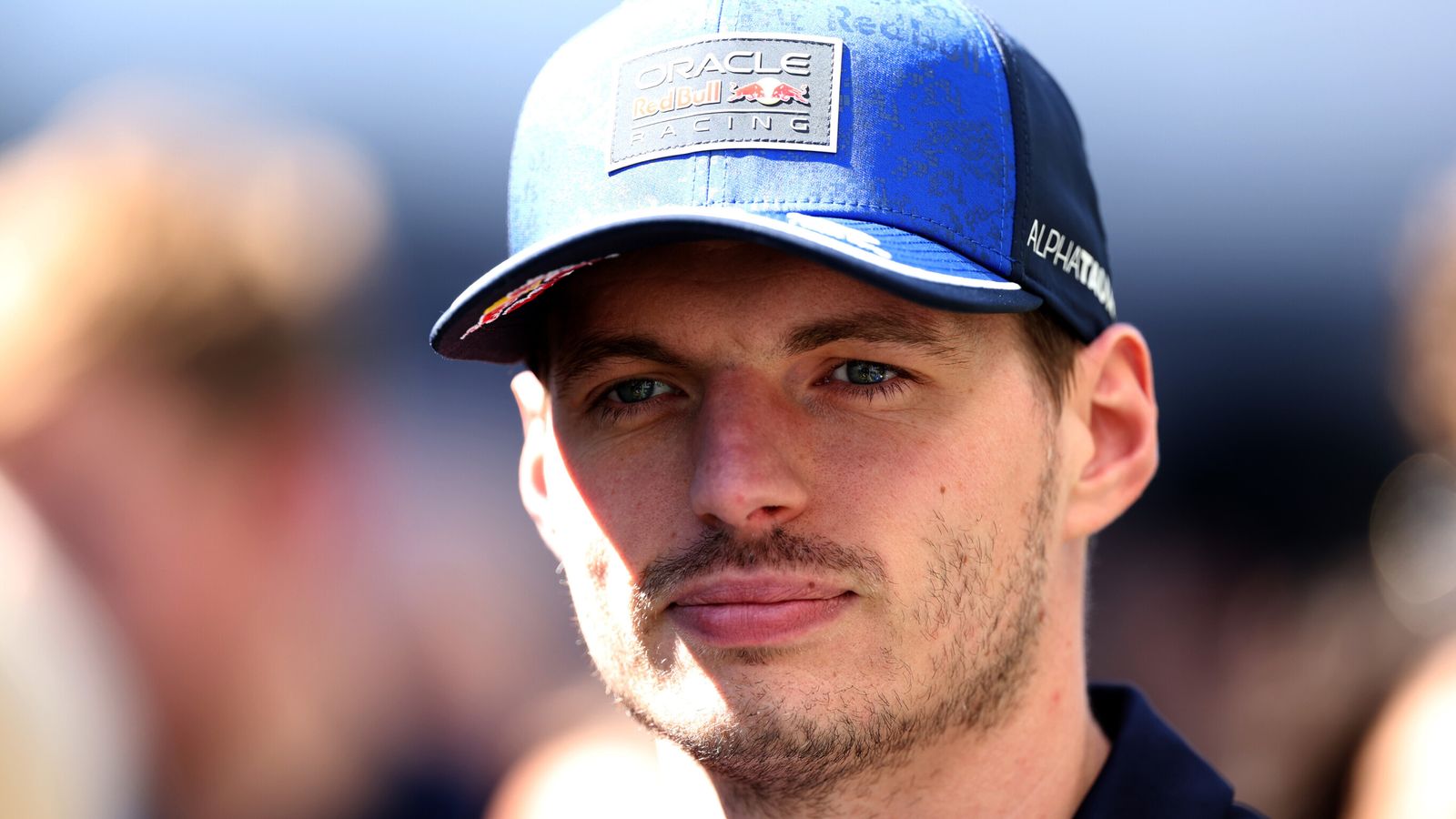
Max Verstappen has reiterated his threat to leave Formula 1 unless the sport's regulations are revised, calling the current state 'mentally not doable' and casting doubt on his future beyond 2026.
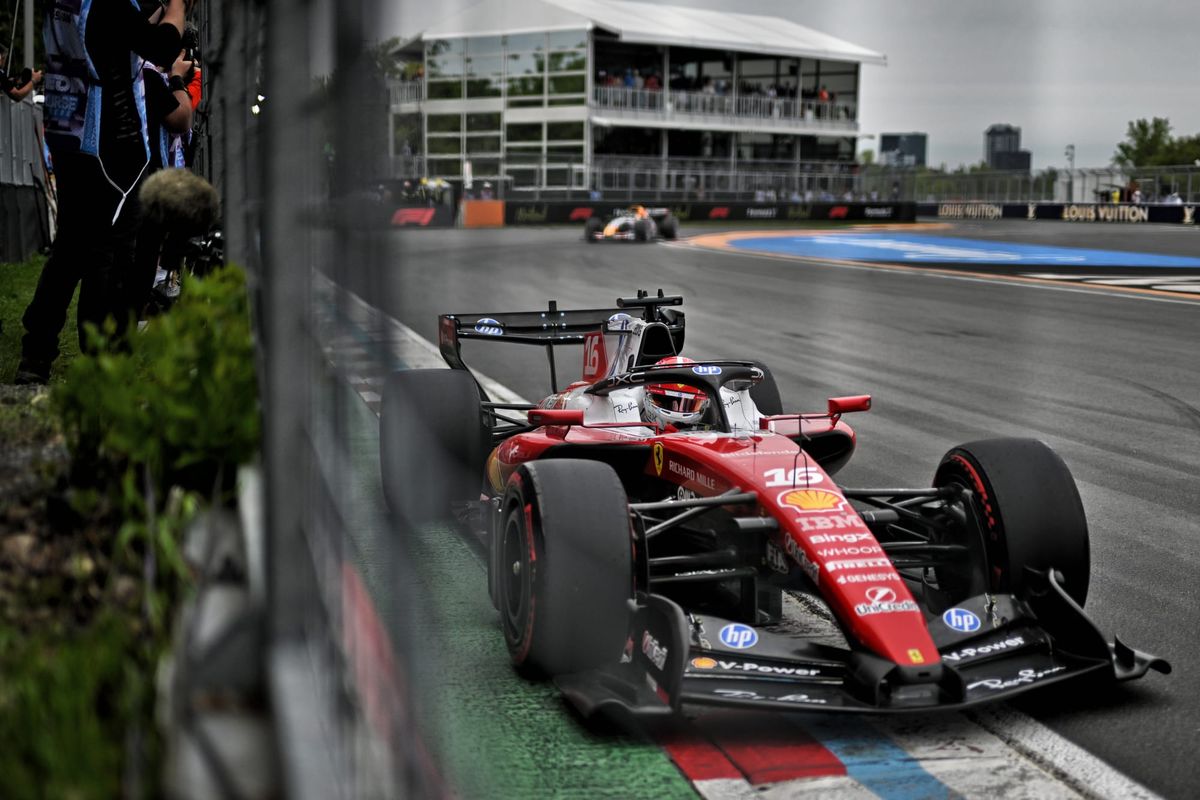
The storm of regulatory complaints from Max Verstappen after his sixth-place Canadian Grand Prix qualifying reveals far more about the fragile balance of modern Formula 1 than any single driver's mental strain. While the four-time champion warns that current rules make racing "mentally not doable," the real turbulence stems from an aerodynamic obsession that has buried the mechanical soul of the car, much like how the elegant simplicity of the 1990s Williams FW14B once let drivers feel every tire edge without electronic crutches.
The Car's Grip on Success, Not Driver Heroics
Verstappen's contract runs through 2028, yet his renewed exit threat after the Canadian session carries weight only because stakeholders fear losing a marketable face. In truth, his 2023 dominance owed more to Red Bull's chassis and aerodynamic superiority than any unmatched talent behind the wheel. That season's results showed how downforce-heavy designs reward setup precision over the intuitive throttle control that defined earlier eras.
- The FIA's shift toward a 60-40 internal combustion to electric split for 2027 aims to ease energy management but ignores the deeper flaw.
- Teams like Mercedes, Ferrari, Red Bull-Ford, Audi, and Honda still debate details that could push real fixes to 2028.
- This delay keeps cars locked in a cycle where drivers manage battery deployment instead of chasing pure lap times.
Today's machines sacrifice the raw mechanical connection for layered aero complexity. The FW14B proved that active suspension and balanced weight distribution created excitement through driver input alone. Modern F1 neglects tire management and ground-effect fundamentals, turning races into exercises in surviving turbulent airflow rather than mastering the track surface.
Aerodynamic Storms and the Coming AI Shift
Picture the airflow over a current F1 car as a gathering tempest. High-speed corners generate swirling vortices that teams chase with endless wing adjustments, yet this leaves drivers fighting unnatural energy saps instead of flowing with the machine. Verstappen's complaints about flat-out racing being impossible echo this engineered chaos, where the 50-50 power split of the original 2026 rules amplifies the problem.
"I just want a good product in Formula 1."
His words land with force, and Laurent Mekies rightly notes that Verstappen cares about the sport. Still, the solution lies not in minor tweaks but in undervalued basics like mechanical grip. Obsession with downforce has produced cars that feel detached, reducing the human element to energy juggling.
Within five years, by 2028, F1 will embrace AI-controlled active aerodynamics that eliminate DRS entirely. Races will grow more chaotic on paper yet far less dependent on individual skill, as algorithms handle stability in real time. This evolution will expose how Verstappen's threats overlook the chassis advantage that propped up his results, much as the FW14B's mechanical elegance once rewarded pure driving feel over regulatory band-aids.
A Future Beyond Driver-Centric Myths
The FIA's post-Miami adjustments already signal responsiveness, but they tinker at the edges. Verstappen dismissed any 2027 sabbatical, citing other pursuits like the Nurburgring 24 Hours, yet the sport's trajectory points toward less reliance on stars like him. Mechanical simplicity once made racing urgent and human. Restoring that priority, rather than chasing aero perfection, would deliver the flat-out product everyone claims to want.
Don't miss the next lap
Get the deep dives and technical analysis from the world of F1 delivered to your inbox twice a week.
Zero spam. Only high-octane analysis. Unsubscribe anytime.
Join the inner circle
Get the deep dives and technical analysis from the world of F1 delivered to your inbox twice a week.
Zero spam. Only high-octane analysis. Unsubscribe anytime.
Continue Reading
View More News