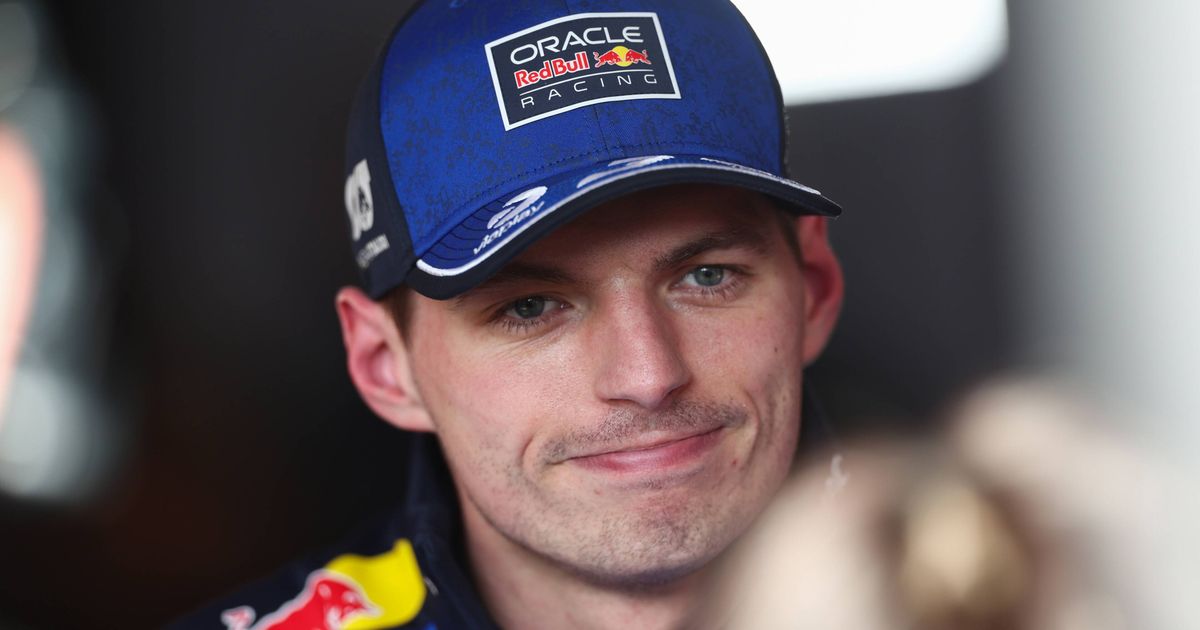
Villeneuve Backs Verstappen's Fierce Criticism of Modern F1 'Mario Kart' Racing
Jacques Villeneuve has joined Max Verstappen in criticizing modern F1, comparing the racing to 'Mario Kart' and stating drivers from his era would hate it. While acknowledging the entertainment value, the 1997 champion argues the sport is sacrificing pure driving skill for artificial spectacle, amplifying a major debate about F1's future direction.
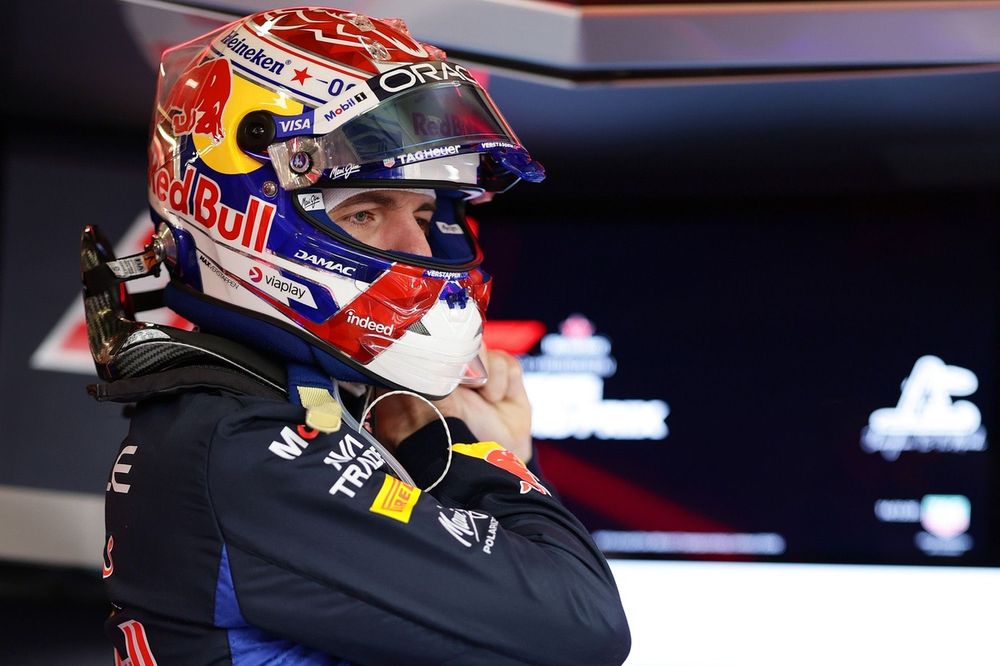
Jacques Villeneuve has publicly supported Max Verstappen's harsh critique of Formula 1's current regulations, arguing the racing style has devolved into something akin to 'Mario Kart' that drivers from his era would have hated. The 1997 World Champion acknowledges the spectacle is entertaining but contends it comes at the cost of pure driving skill and racecraft, echoing Verstappen's warnings that this direction could ruin the sport's essence.
Why it matters:
The vocal criticism from two champions—one current and one legendary—highlights a growing philosophical divide in F1. It pits the pursuit of unpredictable, action-packed entertainment against the traditional values of driver skill, car development, and strategic mastery. This debate strikes at the core of F1's identity as it balances being a global spectacle with remaining the pinnacle of motorsport competition.
The details:
- Villeneuve explicitly agreed with Verstappen's scathing assessment, stating that "pure drivers" from his generation would "have hated" the current racing product.
- He described the modern show as "fun" and entertaining for fans but fundamentally different from traditional racing, implicitly questioning its sporting purity.
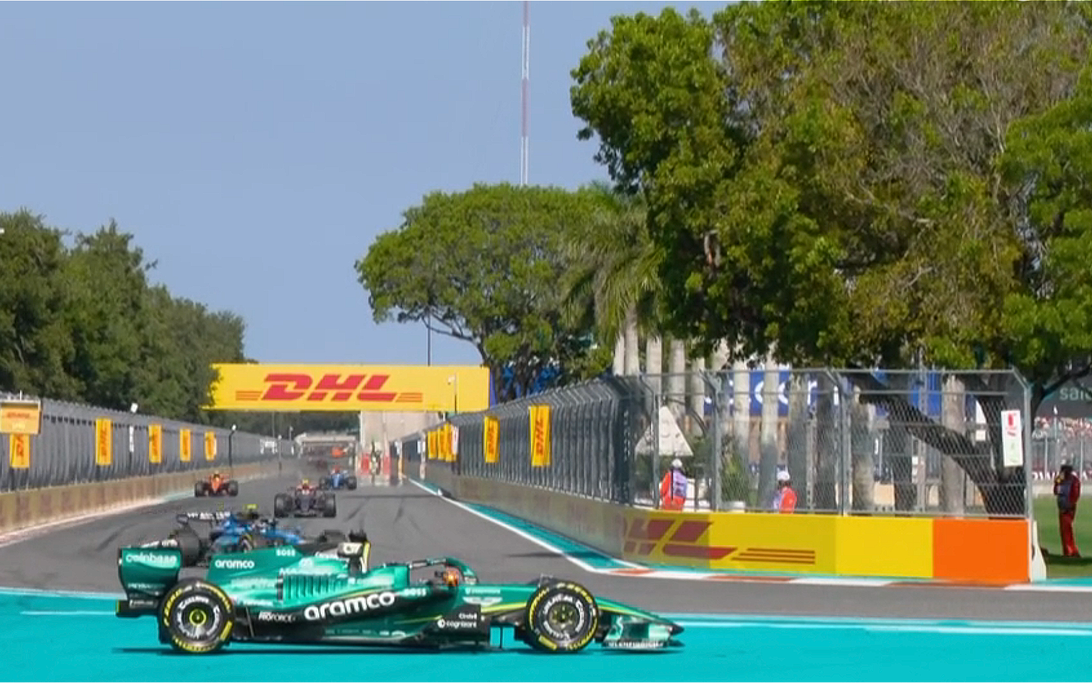
- The core criticism compares today's F1 to 'Mario Kart,' a reference to the artificial drama created by factors like DRS overtakes, close-following car designs, and strategic elements that can feel game-like rather than organic.
- Verstappen's recurring complaints focus on how these regulations reward opportunistic driving over sustained pace and skill, potentially diluting what it means to be the best.
What's next:
The pressure from star drivers like Verstappen, now amplified by voices from F1's past, will force the FIA and Formula One Management to continually evaluate the regulatory direction. While a complete reversal is unlikely, future rule tweaks—especially for the 2026 season—may attempt to better balance overtaking spectacle with genuine sporting merit to appease purists while retaining new fans attracted by the show.
Don't miss the next lap
Get the deep dives and technical analysis from the world of F1 delivered to your inbox twice a week.
Zero spam. Only high-octane analysis. Unsubscribe anytime.
Join the inner circle
Get the deep dives and technical analysis from the world of F1 delivered to your inbox twice a week.
Zero spam. Only high-octane analysis. Unsubscribe anytime.
Continue Reading
View More News