Williams' weight reduction solutions exist, but cost cap forces gradual rollout
Williams team principal James Vowles confirms engineering fixes to shed car weight are complete, yet the cost cap prevents deploying all upgrades at once, forcing a phased approach through the summer.
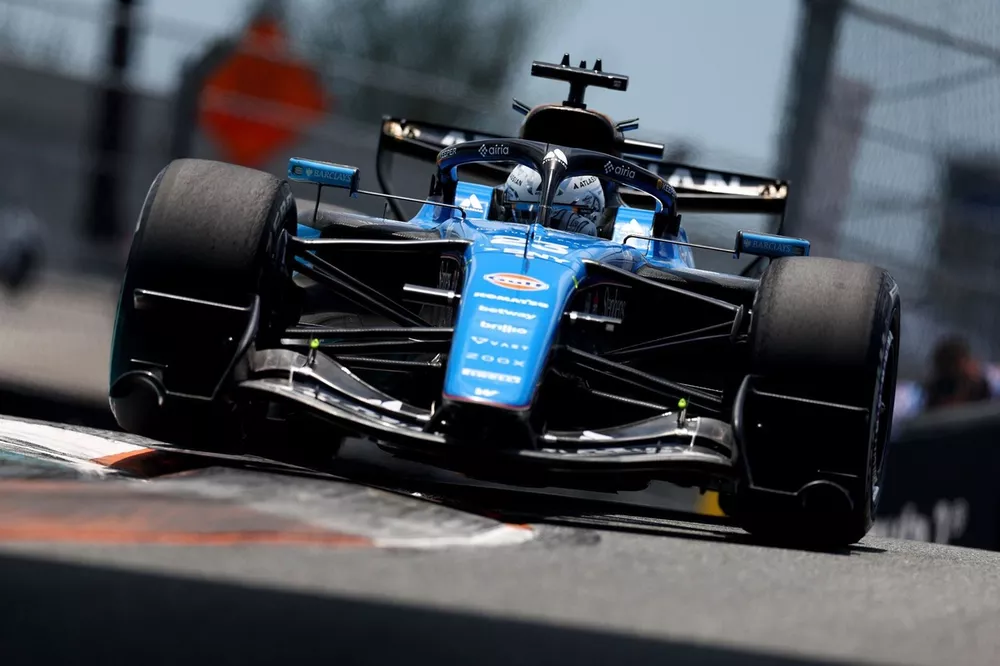
Williams holds the engineering solutions to significantly reduce its car weight, but Formula 1's cost cap makes an immediate overhaul financially impossible. Team principal James Vowles explained on The Vowles Verdict that while the design work is done, converting those concepts into physical parts must happen gradually to avoid waste and stay within budget limits.
Why it matters:
- A lighter car is critical for lap time and tire management, but the cost cap forces teams to prioritize efficiency over speed of development. Williams' predicament illustrates the balancing act all midfield teams face: they have the know-how to improve, but cannot execute at once without blowing the budget.
The details:
- Completed engineering: Vowles confirmed the design phase for weight reduction is fully done. The FW48 started the season overweight after failing crash tests, and while some gains were made before Miami, much more is possible.
- Cost cap constraints: Producing all new lighter parts simultaneously would require discarding existing stock—parts manufactured in bulk before the season (suspension legs, axles, wheels). That waste is inefficient under the cap, so the team must phase in new components as old stock runs out.
- Aerodynamic synergy: Williams also plans to combine weight savings with aero upgrades. For example, the front wing can be lighter, but waiting for a new wing design that adds downforce makes more sense than simply producing a lighter copy of the current part.
What's next:
- The result is a gradual upgrade flow through most of the summer. Vowles indicated a “good programme of work” that balances weight reduction with performance gains, meaning drivers Alex Albon and Carlos Sainz will have to race a car that engineers have already fixed on paper—but not yet in metal.
Don't miss the next lap
Get the deep dives and technical analysis from the world of F1 delivered to your inbox twice a week.
Zero spam. Only high-octane analysis. Unsubscribe anytime.
Join the inner circle
Get the deep dives and technical analysis from the world of F1 delivered to your inbox twice a week.
Zero spam. Only high-octane analysis. Unsubscribe anytime.
Continue Reading
View More News