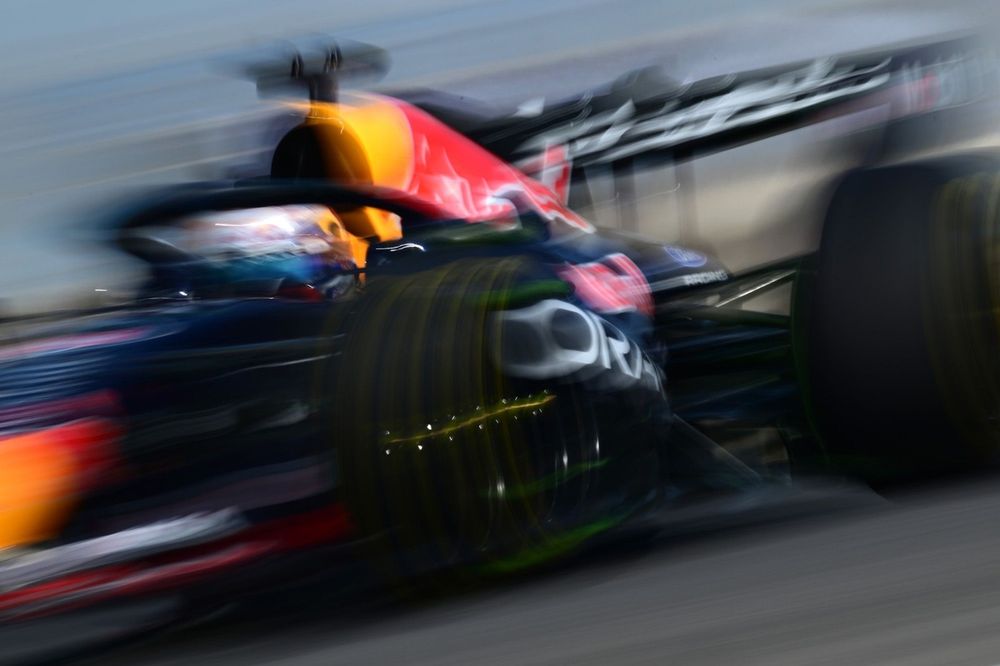
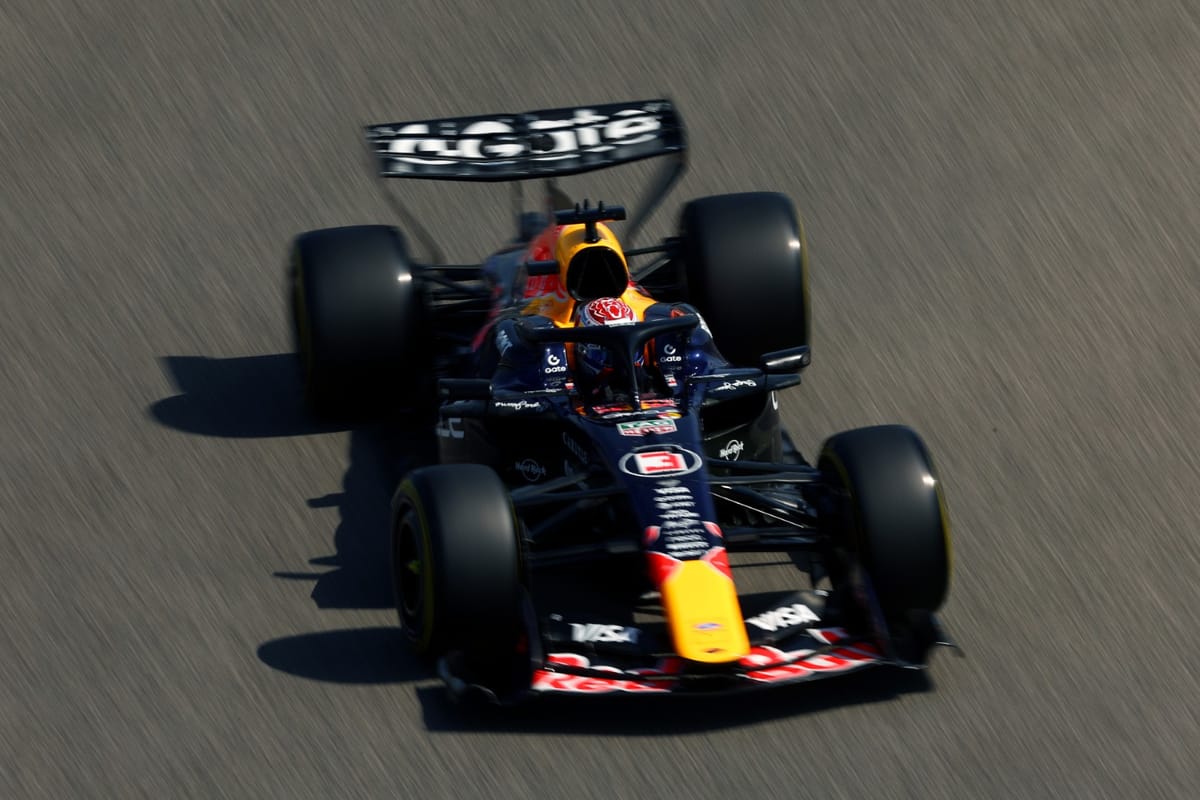
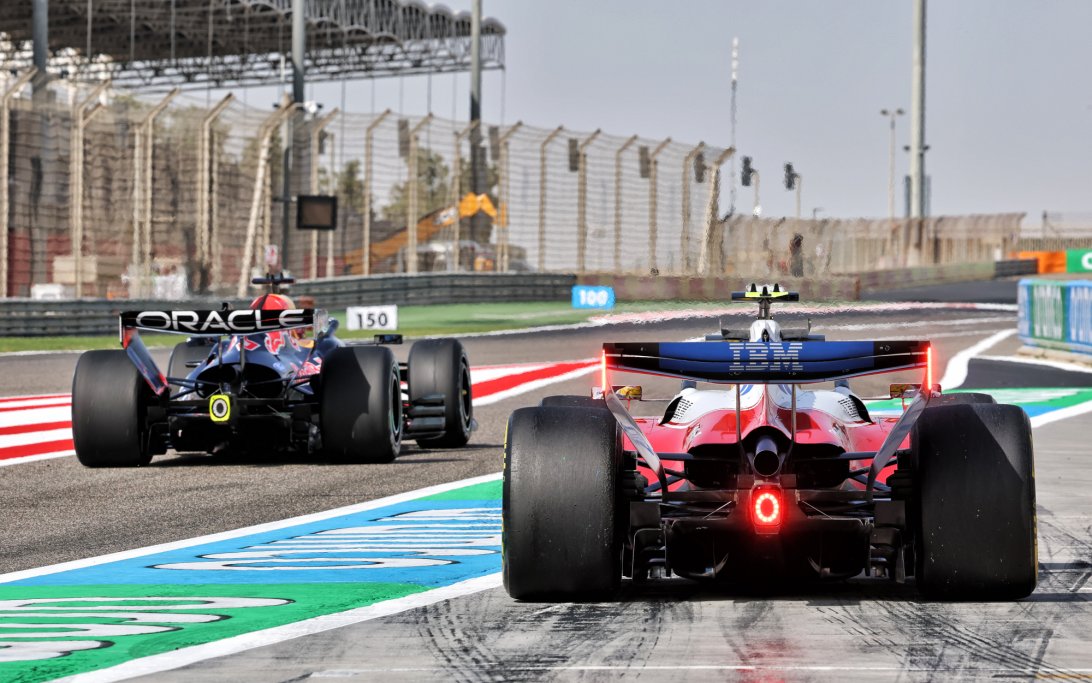
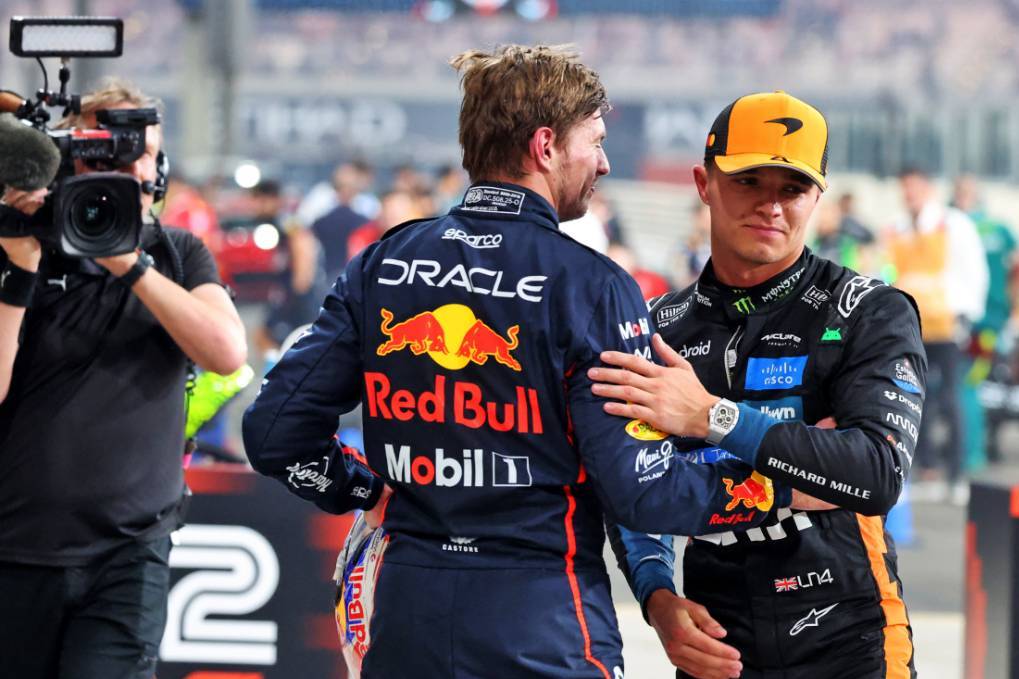
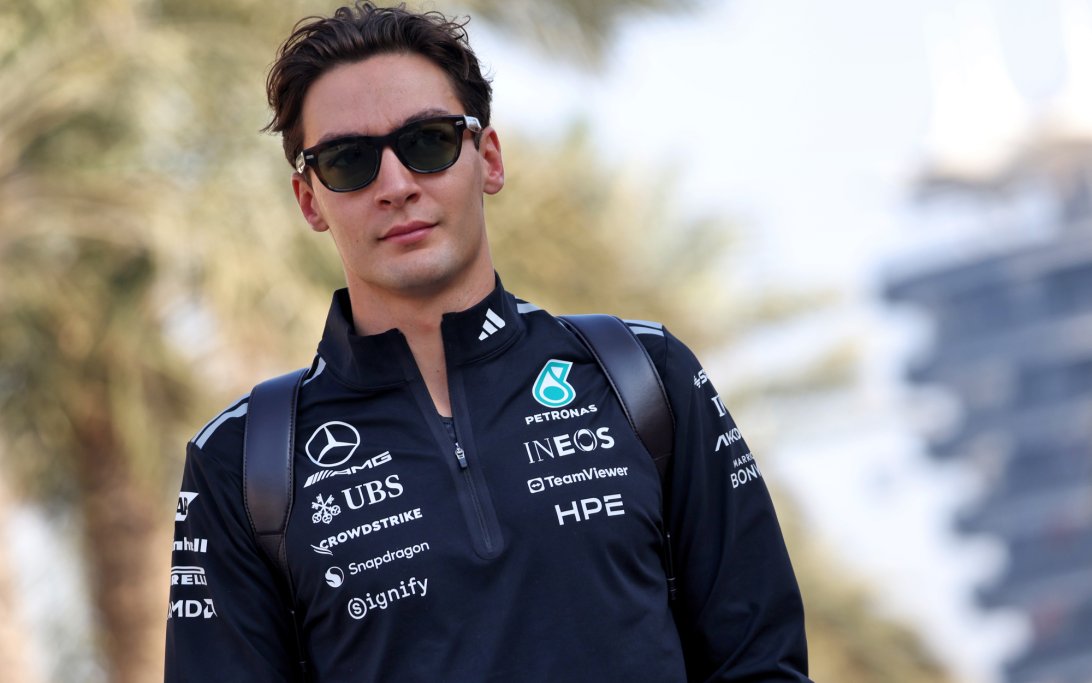
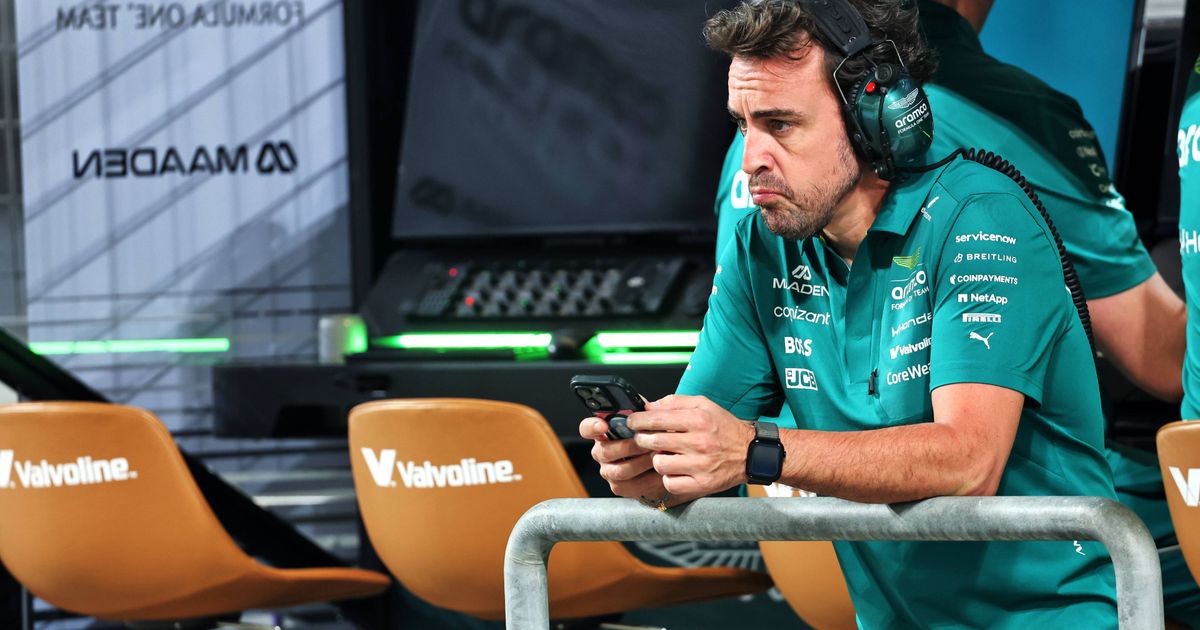
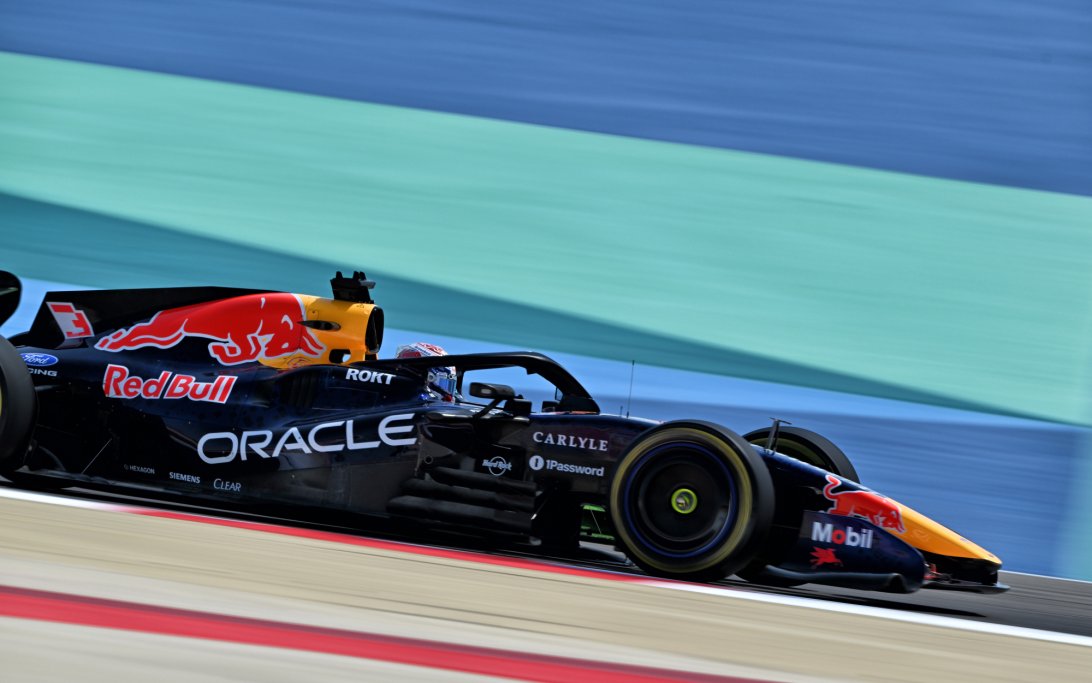
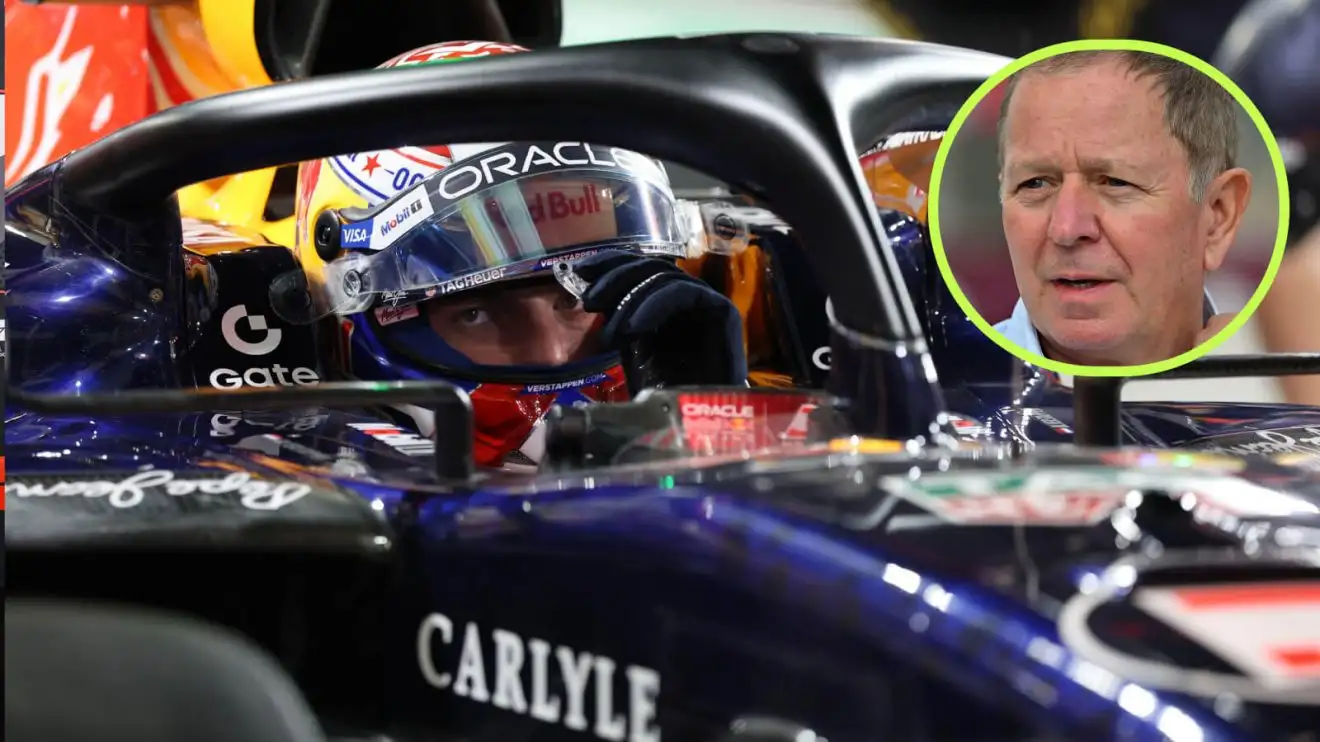
Max Verstappen has issued a stark, sarcastic warning about Formula 1's 2026 cars, suggesting drivers may need to brake on the Las Vegas Strip due to extreme energy harvesting demands. His comments highlight a broad concern among drivers that new power unit regulations could force excessive 'lift-and-coast,' ruining the spectacle at high-speed circuits like Monza and Spa.
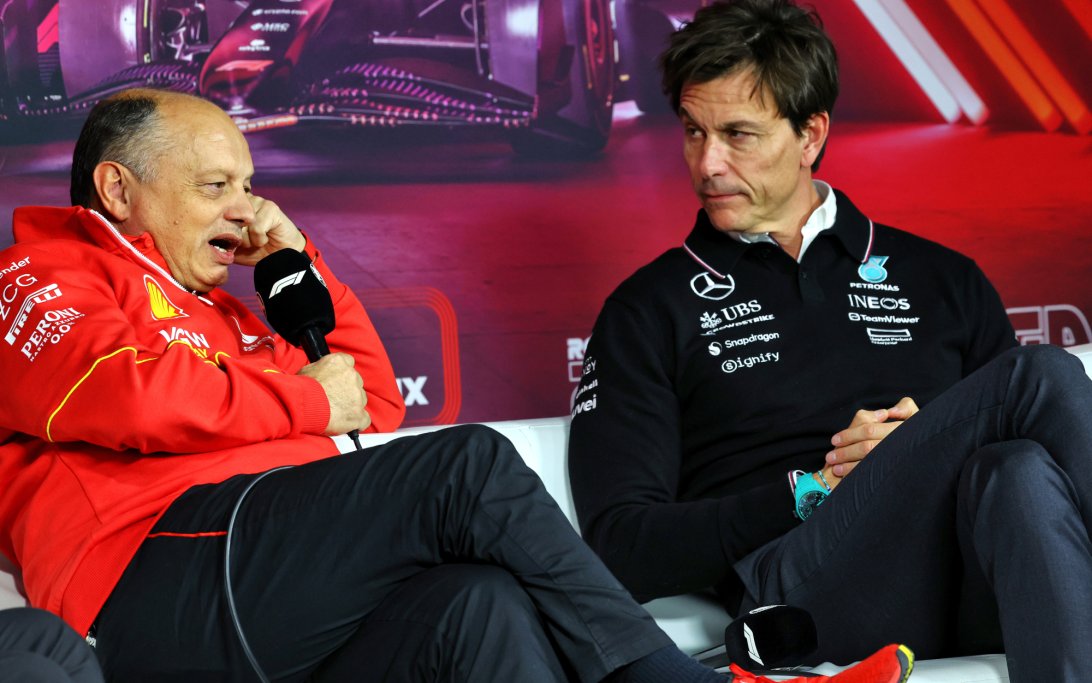
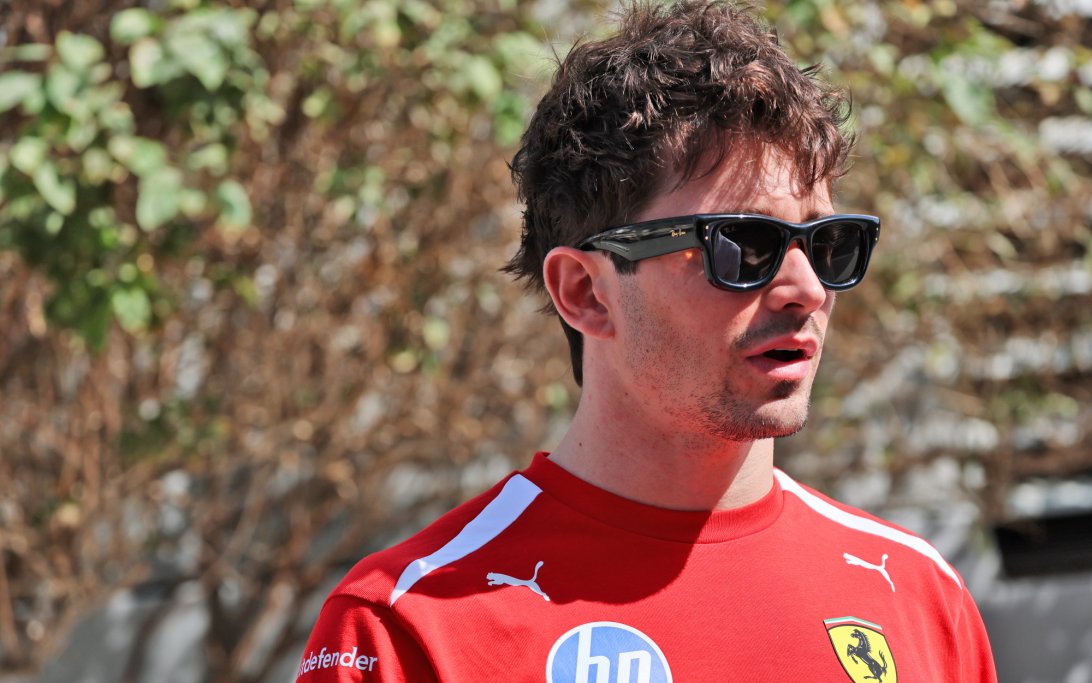
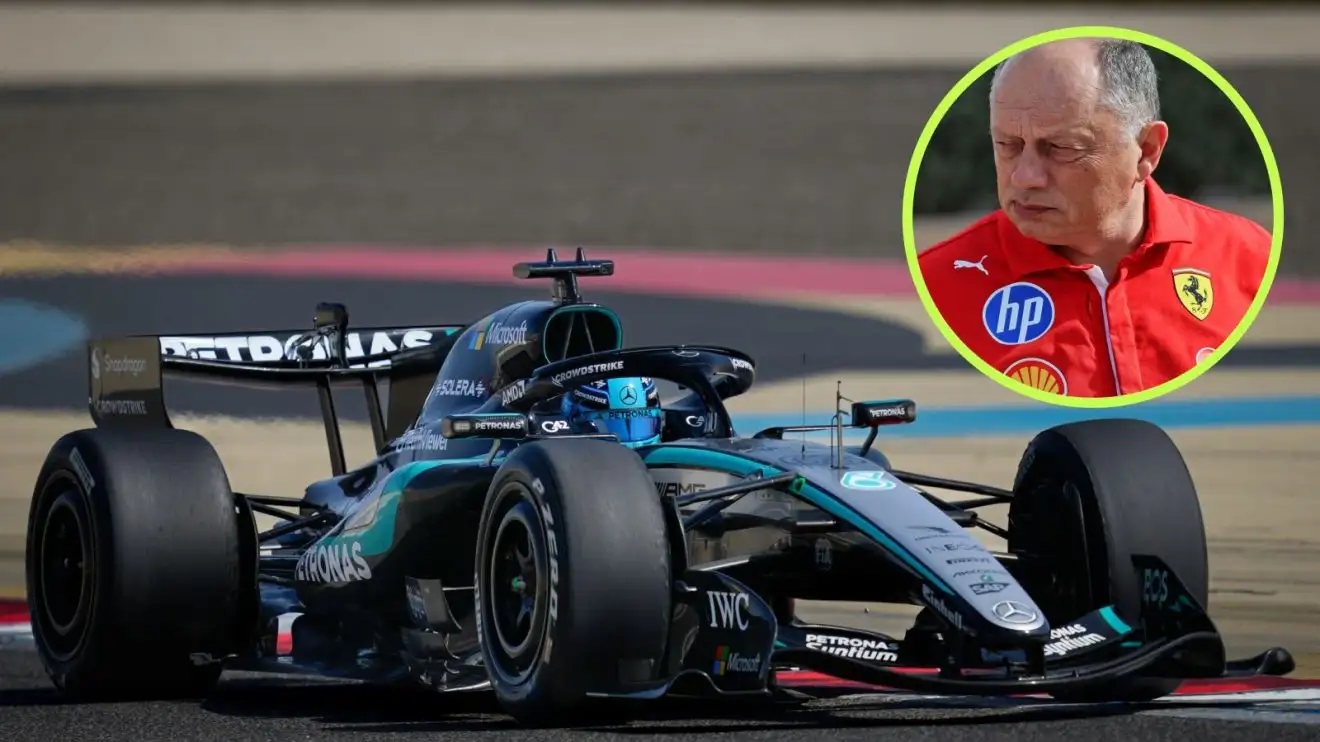
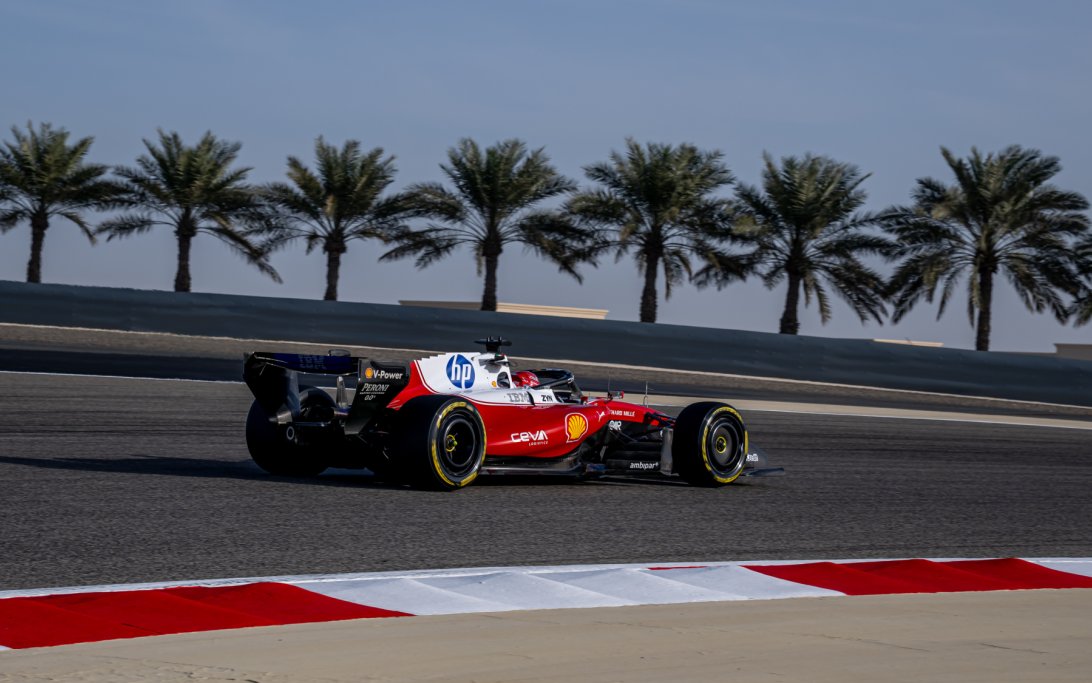
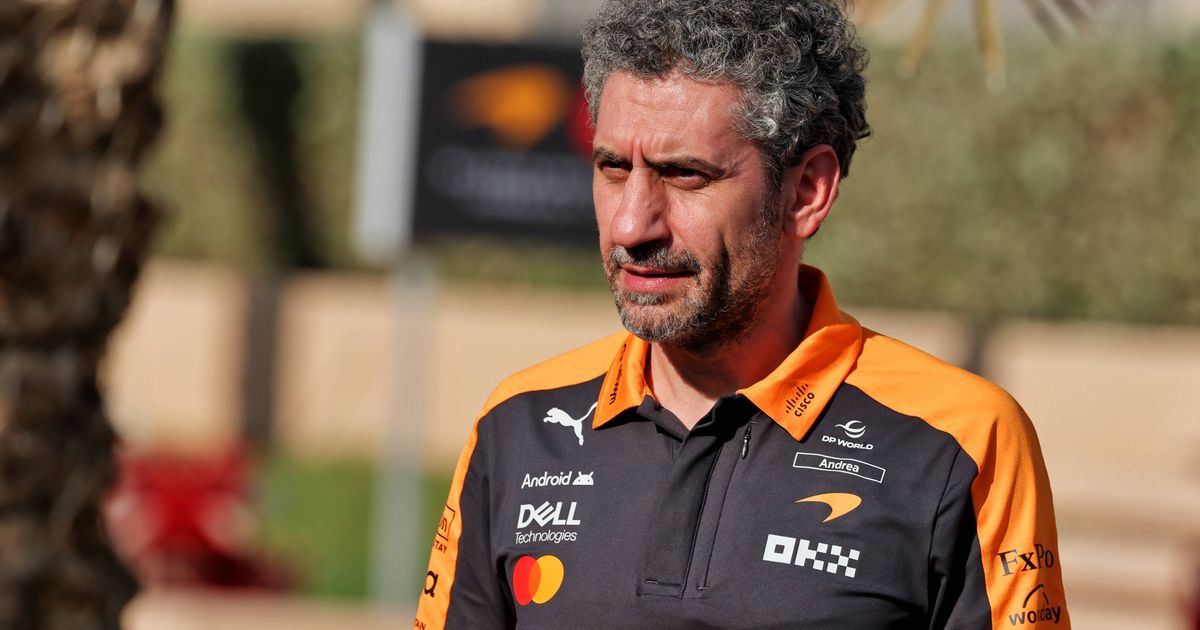
Ferrari will not protest Mercedes' controversial high-compression engine design in Australia, choosing to seek regulatory clarity instead. Team principal Fred Vasseur emphasized resolving differing rule interpretations through technical meetings, as manufacturers race against a March 1st deadline to settle the dispute before 2026 engine homologation.
Formula E drivers have mixed reactions to Max Verstappen labeling 2026 F1 cars "Formula E on steroids," with some sympathizing and others defending their series' complexity. The comments highlight a significant talent and knowledge transfer from FE to F1 as the series converge on advanced energy management, reshaping what it means to be an elite racing driver.
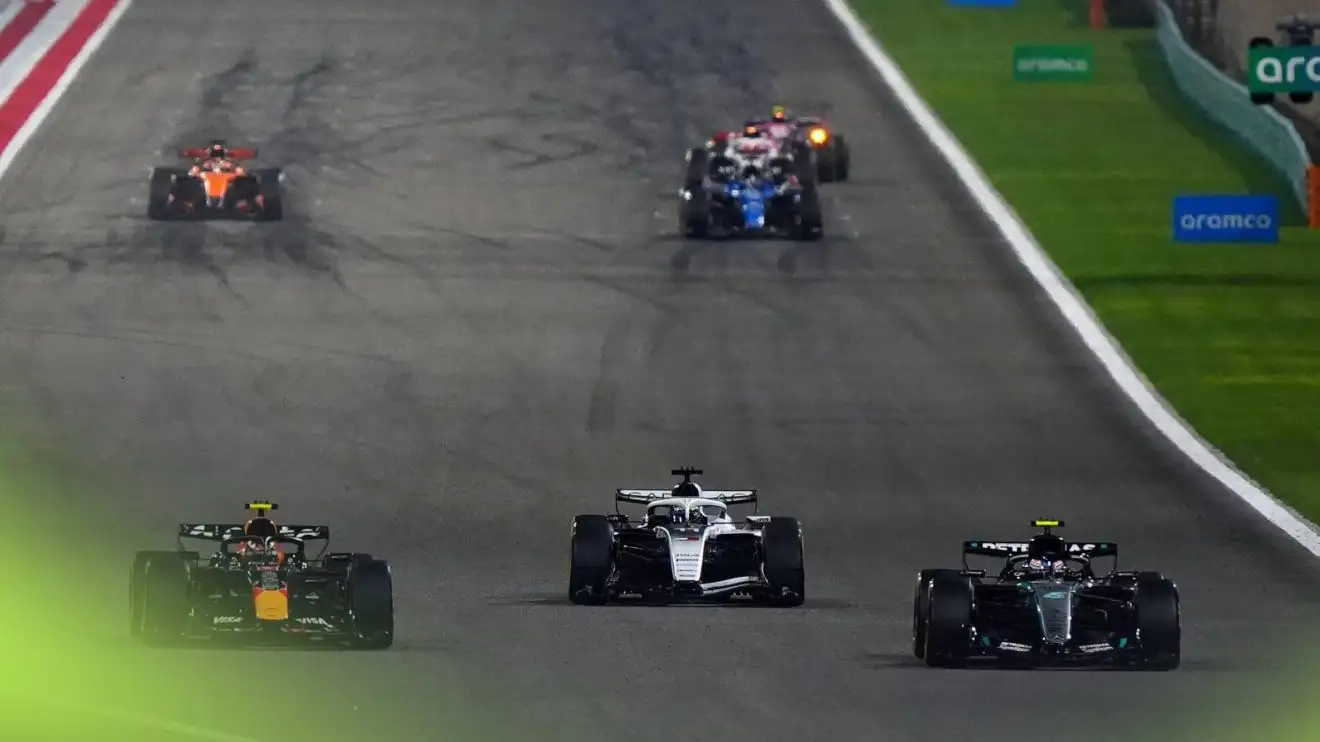
F1's 2026 pre-season test in Bahrain was dominated by a technical row over Mercedes' engine design and Max Verstappen's fierce criticism of the new regulations. While lap times were close, major safety concerns over new start procedures and clear struggles for some teams set the stage for a contentious season opener.
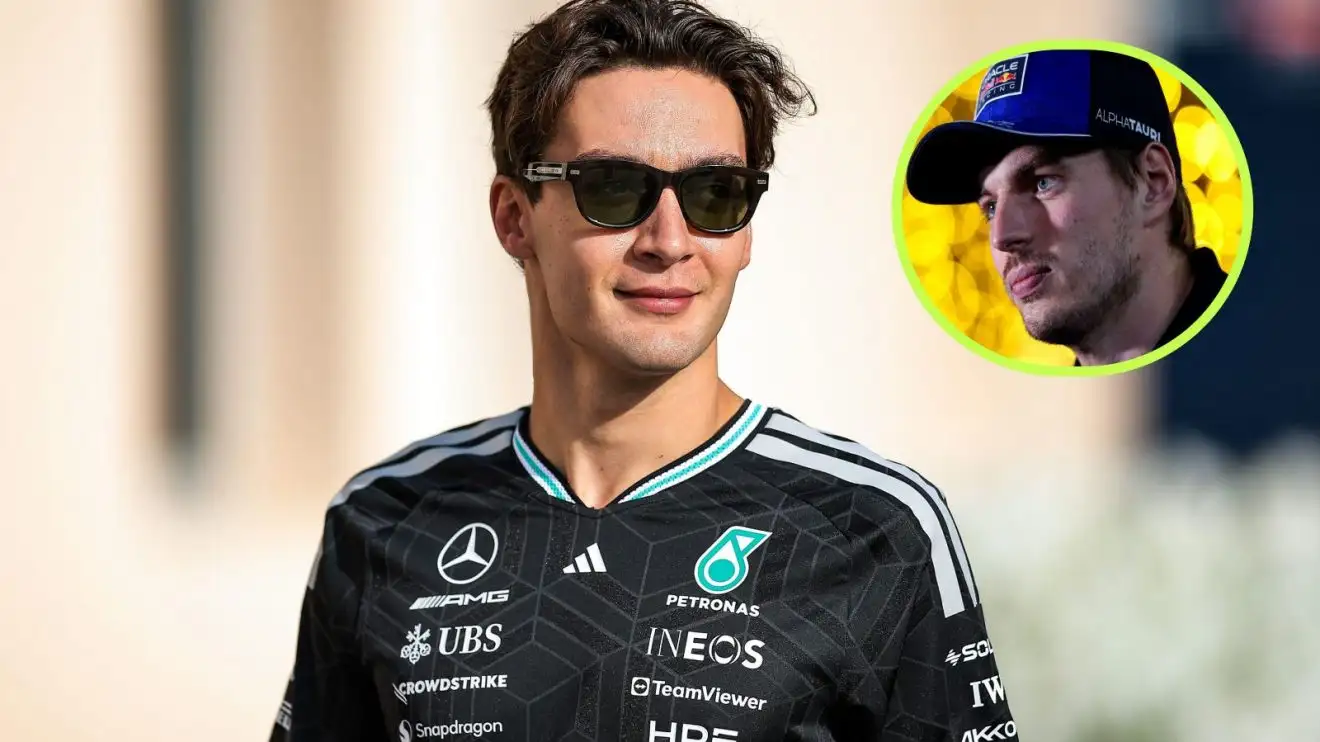
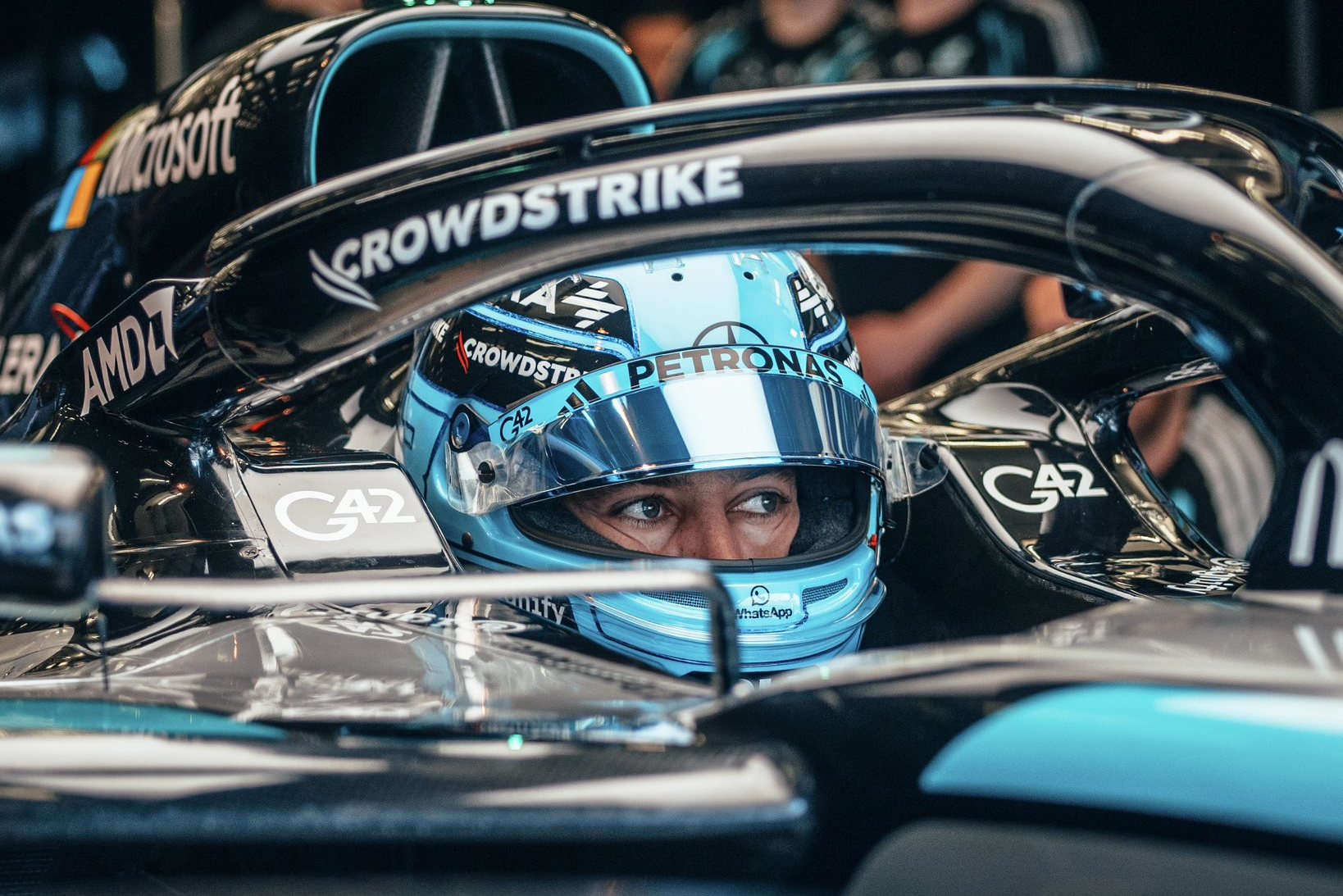
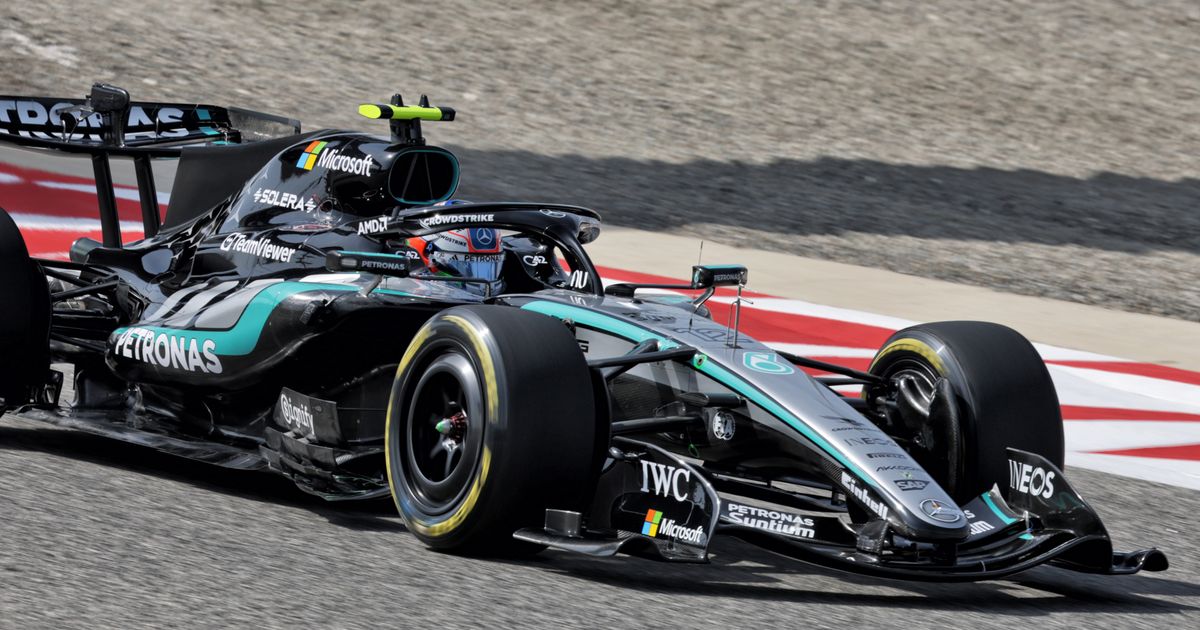
George Russell admits Red Bull currently has the superior power unit but expresses hope that Mercedes is hiding a major development 'ace'. He provided a positive assessment of the new 2026 cars, contrasting with Max Verstappen's criticism, while cautioning that the true engine challenge will come at more demanding circuits.
Formula E champion Lucas di Grassi, a former F1 driver, criticizes the 2026 F1 regulations as "extremely badly designed," claiming they create slow and unraceable cars. He reveals that simulator data supports current drivers' complaints and predicts that continued development could make Formula E cars faster than F1 machines within a few years, potentially reshaping motorsport's hierarchy.
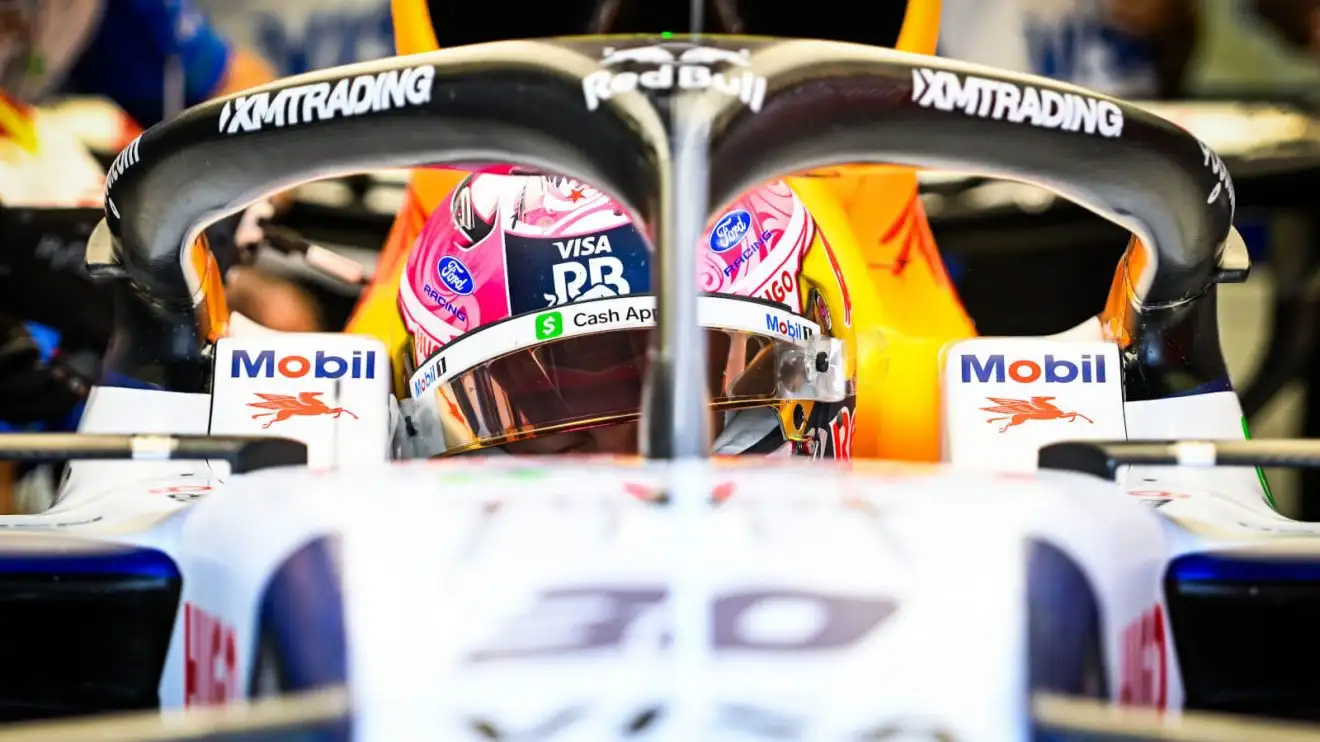
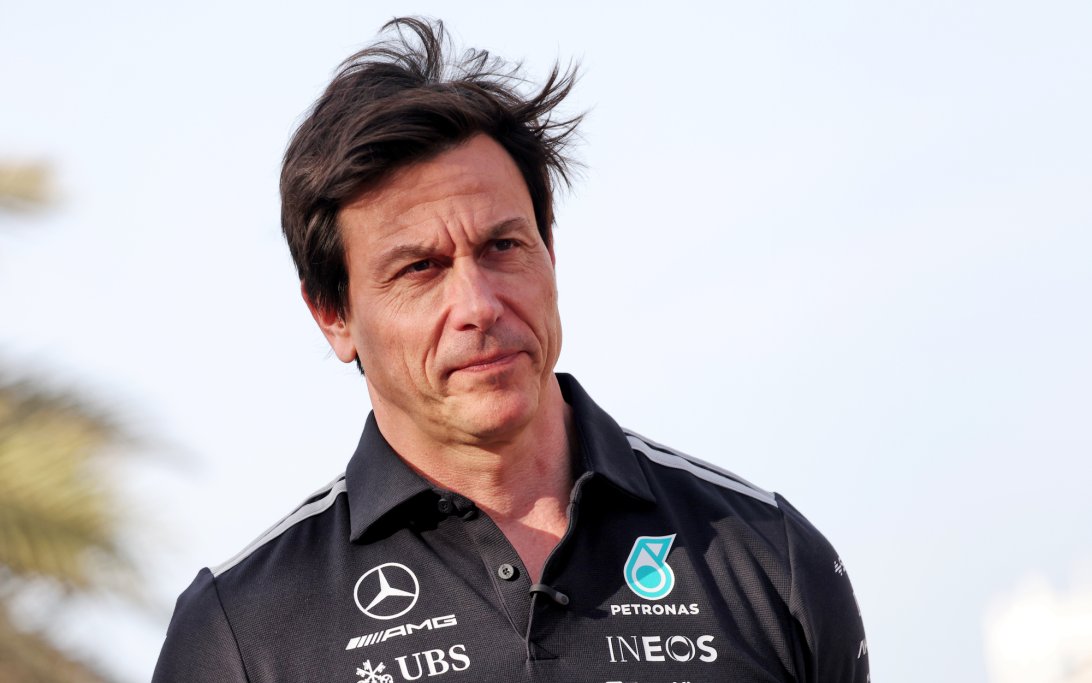
Red Bull's Liam Lawson responded with skepticism to Mercedes boss Toto Wolff's claim that the new Red Bull engine holds a one-second-per-lap advantage, calling it impossible to verify before racing begins. While praising his team's new power unit, Lawson highlighted the steep learning curve all drivers face with the challenging 2026-spec cars, setting up an intriguing technical narrative for the season opener.
Ferrari will not protest Mercedes' engine in Melbourne, despite an ongoing dispute over a potential compression ratio loophole. Team boss Fred Vasseur seeks clear rules, with a pivotal F1 Commission meeting set for next week to address the issue before engine homologation.
George Russell has denied Mercedes is sandbagging, revealing the team has faced reliability and performance setbacks since testing began. He acknowledged Red Bull looks strong, tempering pre-season hype around Mercedes' prospects ahead of the Australian Grand Prix.
Toto Wolff says it was an obvious decision for the Nürburgring endurance series to change its race date for Max Verstappen, whose participation last year caused viewership to skyrocket. The calendar shift allows Verstappen to race in March as preparation for May's 24-hour event.
Lando Norris concedes Red Bull's new 2026 power unit appears stronger, confirming McLaren and engine partner Mercedes have work to do. The comments follow Toto Wolff's claim that Red Bull holds a significant straight-line speed advantage, though Max Verstappen calls such talk 'diversion tactics.'
F1's new 2026 power unit regulations, creating a 50/50 hybrid split, have slowed cars and drawn Formula E comparisons, sparking driver jokes, technical protests, and safety debates. As teams adapt, a controversy around Mercedes' engine and concerns over race start procedures add drama ahead of the new season.