Shanghai's Ghost in the Machine: Russell's Pole Hides F1's Drift Toward Algorithmic Sterility

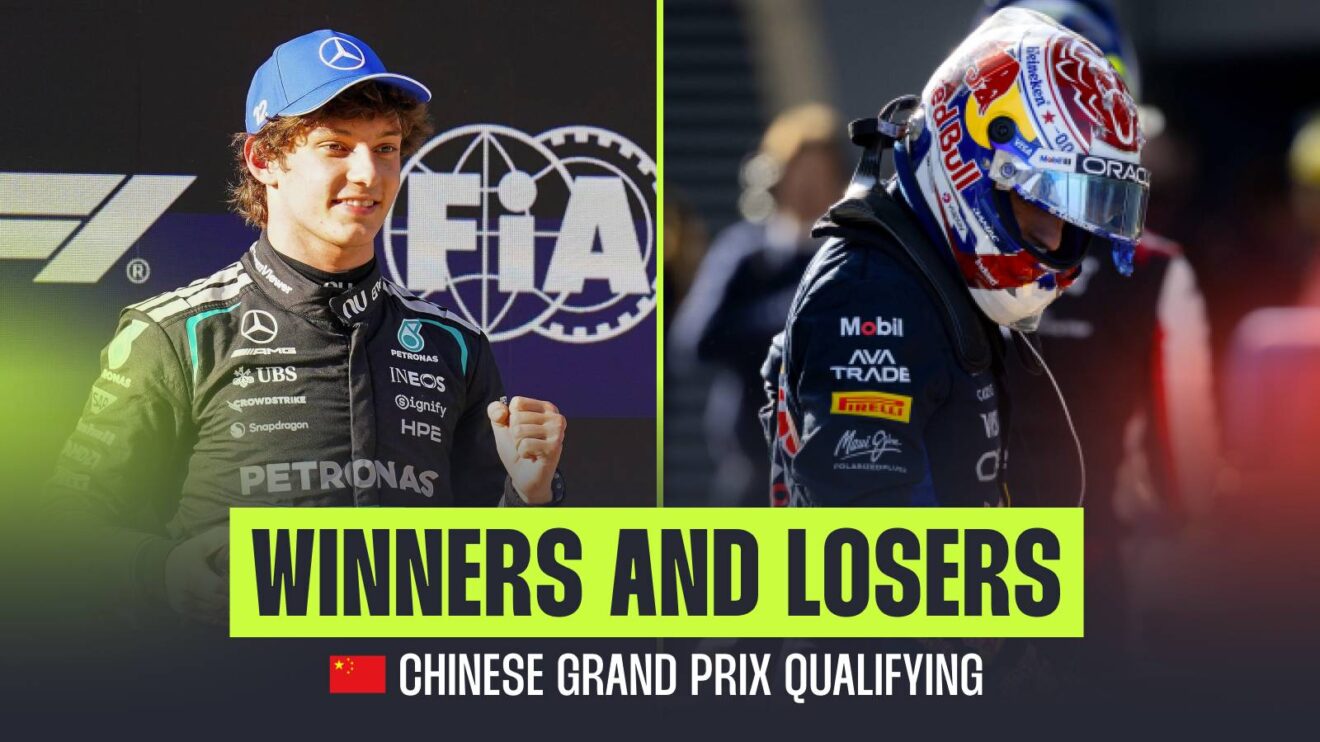
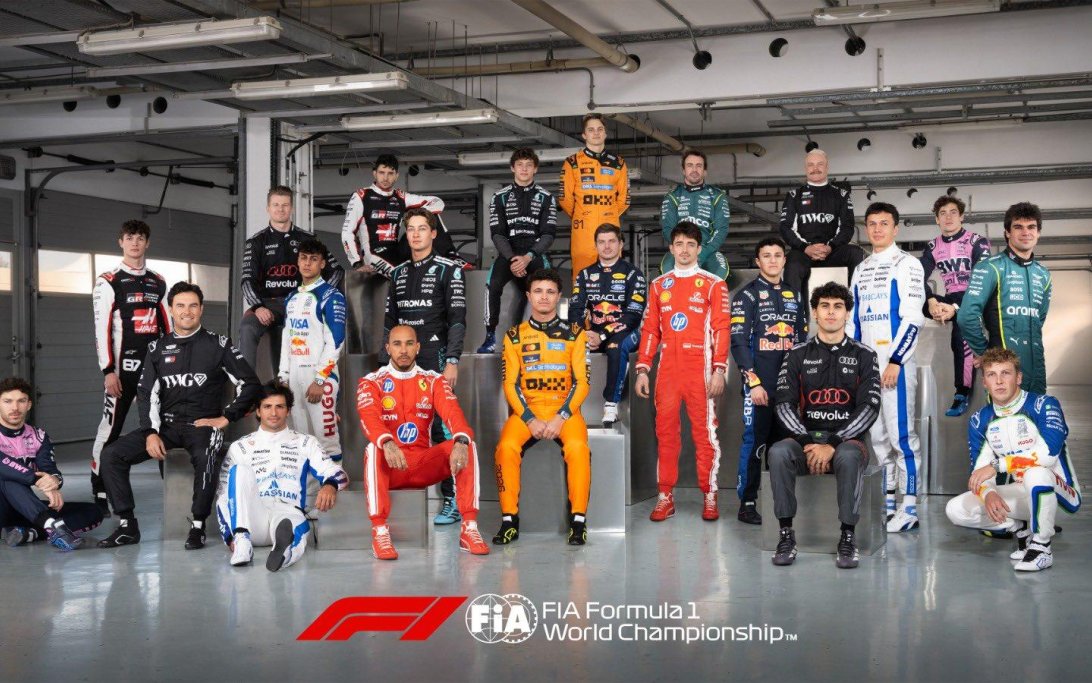
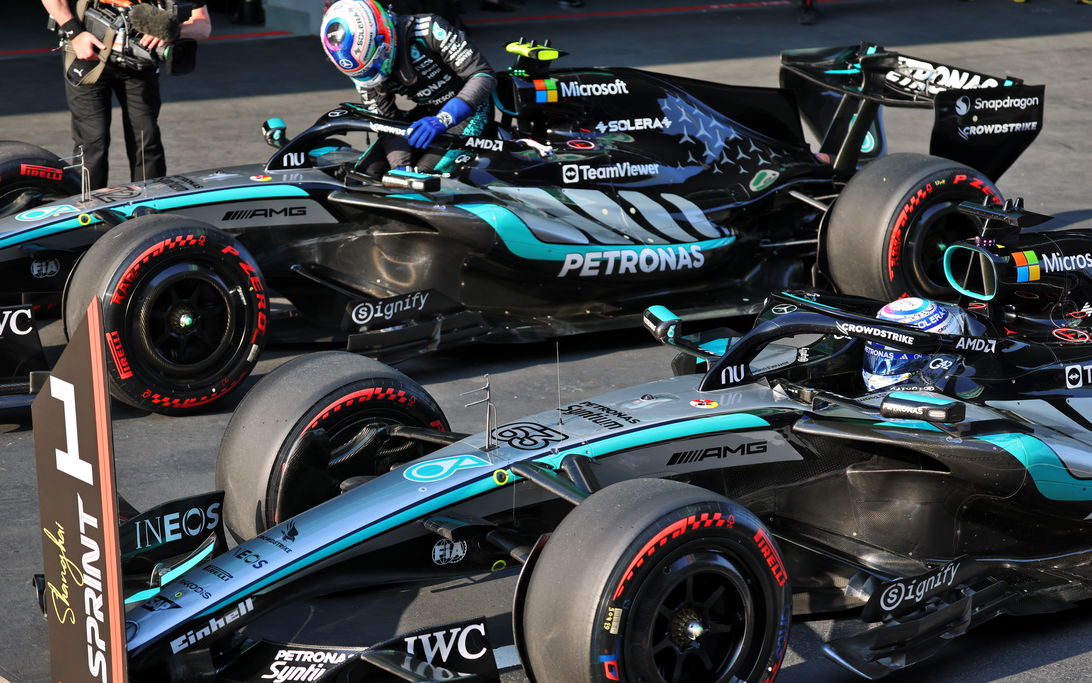
The timing sheet for tomorrow's Sprint in Shanghai is a cold, hard fact. George Russell on pole, Lando Norris beside him, Lewis Hamilton lurking. Max Verstappen buried in eighth. The narrative is already being pre-packaged: Mercedes' dominance, Red Bull's struggle, the championship pressure cooker ignited. But staring at these immutable numbers, I feel a familiar, creeping chill. Not about the order, but about how it was achieved. This isn't the story of drivers wrestling a beast into submission; it's the latest readout from F1's accelerating march toward becoming a perfectly predictable, emotionally sterile data simulation. The 2024 regulatory era was meant to bring back the fight. By 2026, it's only perfected the formula for removing the fighter.
The Pole Position That Tells a Lie About "Performance"
Let's be brutally, mathematically clear. Russell's pole is impressive. A 1-lap hammer blow. But to frame this as a pure driver triumph is to ignore the orchestra of silicon conducting behind him. Mercedes, like every team on the grid, didn't just find a magical setup. They executed a pre-ordained run plan, calibrated by terabytes of historical Shanghai data, simulated in a digital twin of the circuit, and fed to the driver through an earpiece with the emotional cadence of a GPS navigator.
The modern pole lap is a data recital. The driver is the virtuoso performer, yes, but the sheet music is written by an algorithm that has already calculated the optimal brake trace, throttle application, and steering input for every inch of tarmac.
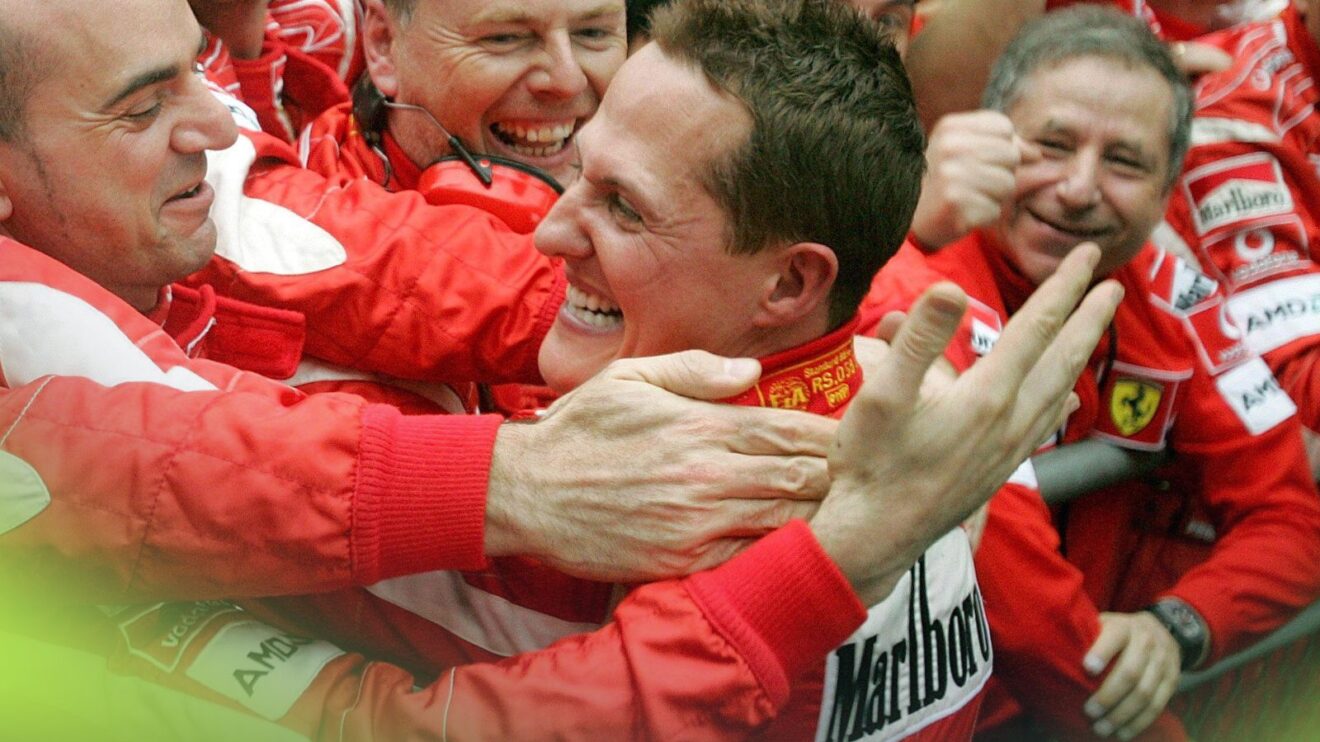
This is where my skepticism curdles. We hail the result, but we're losing the story of the result. Where is the instinct? The overrule? I look at Max Verstappen in P8 and the immediate diagnosis is "car issue," "balance problem," "setup error." Quantifiable flaws. We no longer entertain the possibility of a driver simply not feeling it, of human rhythm being off by a metaphysical millisecond. Contrast this with the raw, tactile consistency of Michael Schumacher in 2004. The Ferrari F2004 was a monster, but its dominance was channeled through a driver whose feel for degradation, for a competitor's weakening, was a biological telemetry system no sensor could replicate. He didn't need a race engineer to tell him when to push; he felt it in the fading vibration through the wheel rim.
And what of the man missing from this top-ten narrative? Charles Leclerc. His raw qualifying pace data from 2022-2023 remains, in my archive, the most consistently explosive on the grid. Yet his "error-prone" reputation is a data point forever corrupted by the noisy, catastrophic interference of strategic blunders. We blame the signal for the noise. Shanghai's grid, in its clean, data-approved order, feels like a continuation of that injustice.
19 Laps: The Sprint as a Laboratory for Our Robotic Future
The Sprint format itself is a petri dish for this sterile future. 19 laps. Not a race, but a high-speed data-gathering exercise. Its primary purpose for the teams is not the spectacle, but the trove of tire degradation curves, fuel load correlations, and overtaking probability matrices it will generate for Sunday's Grand Prix.
- The Schedule (Shanghai Local Time, GMT +8) is a manifesto of optimization:
- Friday, March 13: Free Practice 1 (04:30 - 05:30), Sprint Qualifying (08:30 - 09:14)
- Saturday, March 14: Sprint Race (04:00 - 05:00), Grand Prix Qualifying (08:00 - 09:00)
- Sunday, March 15: Grand Prix (08:00 - 10:00)
Every session feeds the next in a closed loop of analytics. The Sprint isn't a contest; it's the final, real-world parameterization for Sunday's strategy algorithms. Will Russell win? The probability model already has an answer with a 95% confidence interval. They will know the exact lap his tires will drop off, the precise corner where Norris might attempt a move, and the optimal response. The driver's job is to execute the pre-scripted response to Scenario 4B.
This is what I mean by emotional archaeology. The true story this weekend won't be in the winner's trophy. It will be buried in the delta times. If we dared to dig, we could correlate Verstappen's sector times with the pressure of a distant championship fight, or map Hamilton's radio frustration against his lap-time consistency. We could see the human heartbeat still thumping underneath the layers of code. But we won't. We'll just get the sanitized narrative: "Red Bull lacking one-lap pace."
Conclusion: The Human Fade-Out
So, what's next? Russell will likely convert his pole. Verstappen will climb to maybe fourth or fifth, and the post-race analysis will speak of "damage limitation" and "valuable data for Sunday." It will all be impeccably logical. And it will leave me cold.
The 2026 Chinese Grand Prix weekend is a harbinger. Within five years, I foresee a sport where the driver's intuition is an antiquated bug in the system, to be corrected via software update. The start lights will go out, and nineteen pre-calculated narratives will unfold with terrifying efficiency. We will have perfect, predictable racing. And we will have lost the very thing that made a Schumacher, a Senna, or a Leclerc on a rare, unimpeded day so electrifying: the beautiful, unrepeatable, and gloriously human capacity for the unpredictable.
The ghost in F1's machine isn't a spirit. It's the last lingering echo of driver feel, being systematically overwritten. Enjoy the Sprint. It's a brilliant simulation. But remember what you're watching is increasingly a live-action replay of a conclusion reached hours before, in a server room far away from the smell of ethanol and the palpable tremor of risk.
Join the inner circle
Get the deep dives and technical analysis from the world of F1 delivered to your inbox twice a week.
Zero spam. Only high-octane analysis. Unsubscribe anytime.