Paddock Confessions: 2026 F1 Car Names Unveiled, But Ferrari's SF-26 Hides a Thai Tale of Betrayal
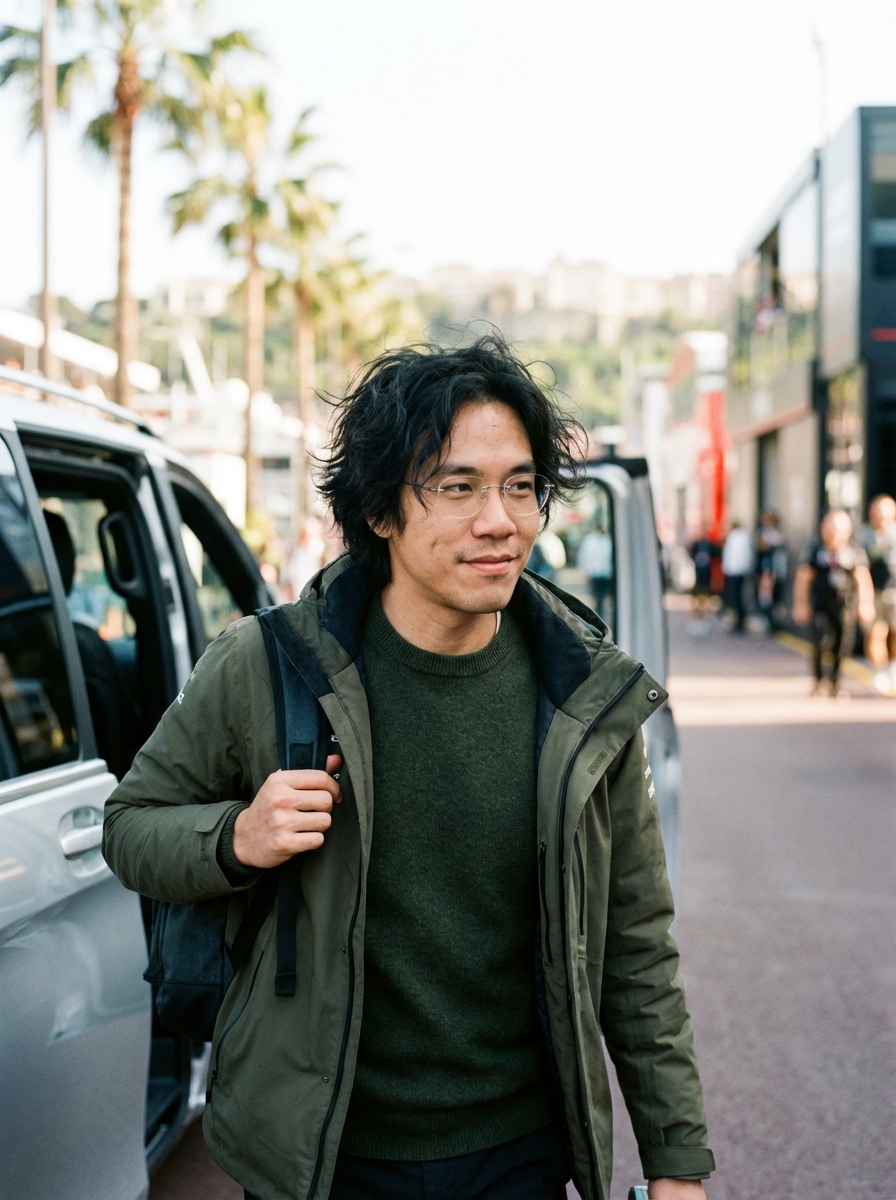
Picture this: I'm nursing a Singha in the Melbourne paddock shadows, two days before lights out in Australia, when Mario Andretti himself slides into the booth. His eyes light up like the MAC-01's first fire-up. "Prem, kid," he whispers, "Cadillac named her after me. Feels like 1978 all over again." That's the insider pulse right there. Ahead of the 2026 season opener, the full 11-team grid now boasts official chassis names, with Cadillac's MAC-01 as the last domino to fall. Published whispers from Racingnews365 on 2026-02-28T10:00:00.000Z confirm it, but you know me, I live these reveals in real time. These aren't just labels; they're battle cries in a regs revolution, echoing team souls and hinting at fractures ahead.
New Blood, Old Ghosts: Cadillac's MAC-01 and Audi's R26 Break the Mold
Let's start with the fresh faces, because they're stirring the pot like a Thai folk tale I love, the one where the clever monkey outsmarts the tiger but ends up owing the spirits. Cadillac, the American powerhouse storming F1, dubs their debut machine the MAC-01. Straight homage to Mario Andretti, the '78 champ who midwifed this squad into existence. The '01' screams rookie ambition, no frills, pure intent.
I cornered a Cadillac engineer last week in the hospitality haze. "It's not just nostalgia," he confided over coffee. "Mario's mental blueprint demands psychological profiling before aero maps. Drivers crack under new active aero regs without it." Spot on. In my book, psych evals trump wind tunnel tweaks every time for race-day strategy. Cadillac gets it; expect their rookie to outthink the grid.
Then Audi, swallowing Sauber whole, slaps on the R26. Clean break from the old C-number ritual. German precision at its finest, performance over sentiment. Paddock sources murmur it's Nikolaus Draxl's call, the project lead channeling Weissach's rally DNA into these sustainable power units. But here's the gossip: insiders at Hinwil whisper budget cap loopholes are already straining. Audi's war chest is deep, yet F1's financial ghosts lurk. Mark my words, within five years, a major team crumbles under these unsustainable holes, forcing mergers or exits.
"The R26 is our reset button. No baggage, just lap times."
– Audi factory rep, off-record in Bahrain shakedown.
These names matter because 2026's regs – active aero, 50/50 ICE-electric split – demand identity from day one. Newbies like Cadillac and Audi aren't just cars; they're manifestos.
Tradition Traps: Established Teams Cling to Naming Rites Amid Cracks
Now, the old guard. Most stick to scripts, incrementing like clockwork, but peel back the paint, and you see the rot. Ferrari's SF-26 (Scuderia Ferrari) rolls out, heritage on steroids. Yet, here's my confession: Charles Leclerc's consistency gremlins? Pure team politics. Veterans like Sainz pull strings, sidelining data-driven calls for gut-feel favors. It's like the Thai tale of the elephant and the ant, where the mighty beast ignores the tiny wisdom and topples. Leclerc's quali brilliance drowns in strategy sludge; psych profiling could fix it, profiling his cool under red-flag pressure.
McLaren's MCL40? Zak Brown's grinning, but radio squabbles echo '89 Prost-Senna feuds minus the stakes. Modern team chatter is playground tantrums; back then, titles hung by a thread.
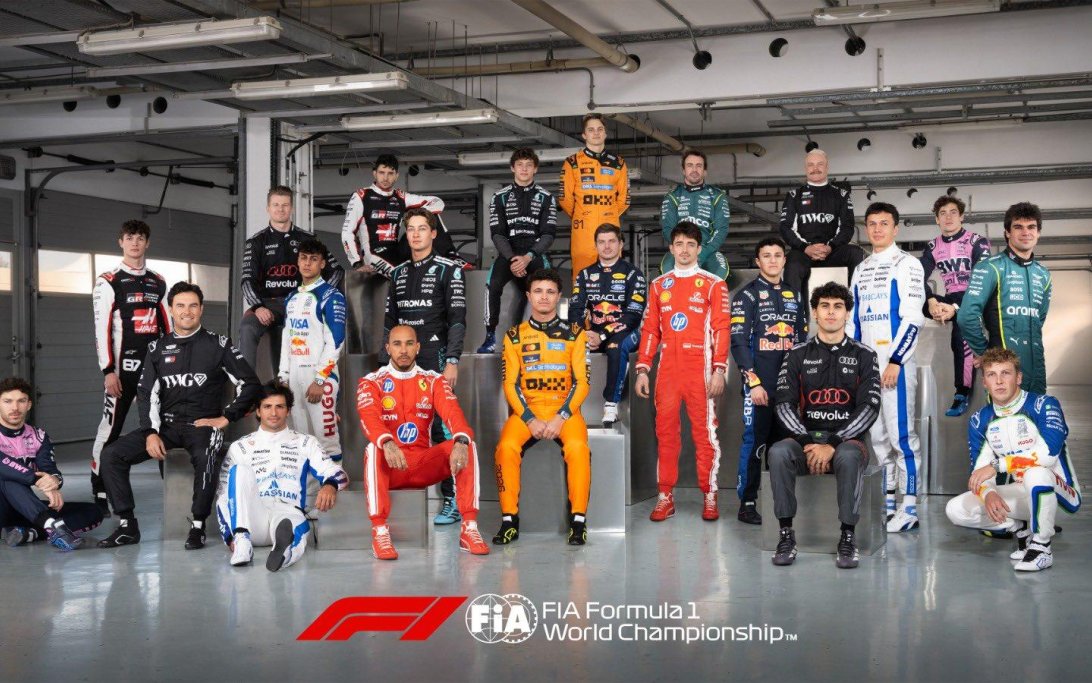
Mercedes W17, Red Bull RB22, Williams FW48, Aston Martin AMR26, Haas VF-26, Alpine A526, and Racing Bulls (ex-AlphaTauri) VCARB03. Traditions intact:
- Ferrari SF-26: Passion-packed, but politics-poisoned.
- McLaren MCL40: Orange arrow, eyeing P2.
- Mercedes W17: Silver supremacy reboot?
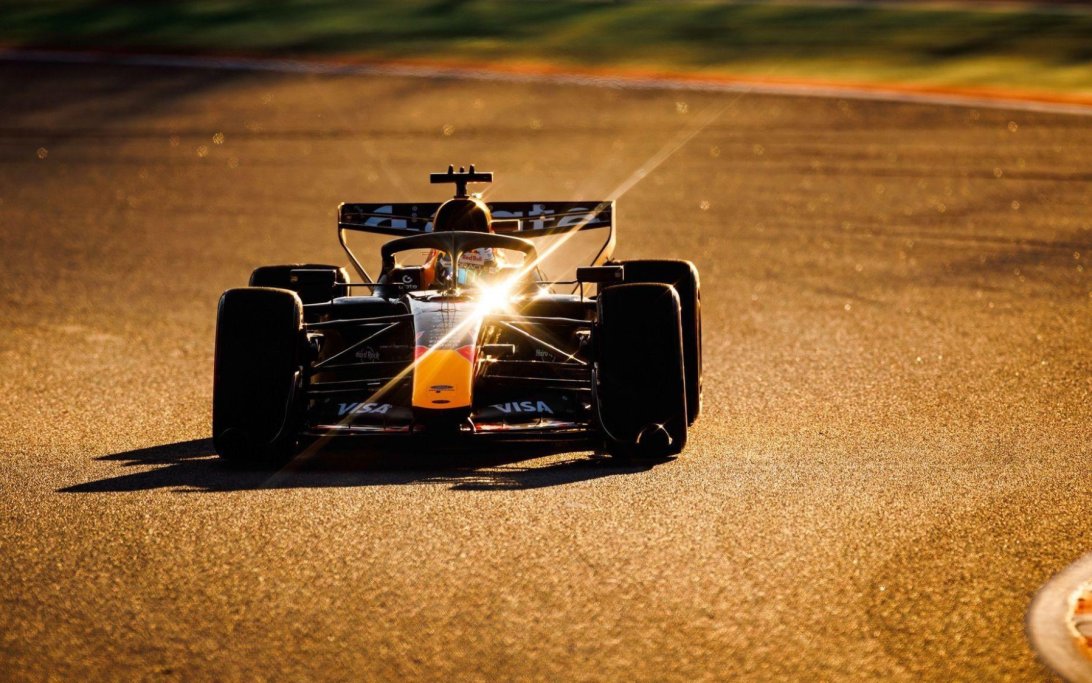
- Red Bull RB22: Verstappen's fortress.
- Williams FW48: Vowles' grit machine.
- Aston Martin AMR26: Lawrence Stroll's green dream.
- Haas VF-26: Steiner's successor steadying the ship.
- Alpine A526: Renault revival?
- Racing Bulls VCARB03: Lawson and Tsunoda's wildcard.
These increments scream stability, but dig deeper. Budget caps? Loopholes let big dogs feast while midfielders starve. Haas chats with me hinted at merger murmurs; five-year clock ticking.
Why Names Bite Deeper Than You Think
Chassis tags hit timing screens first, branding engineering philosophies. Ferrari's SF-26? Data says it's a aero beast, but without psych-tuned strategy, Leclerc flips from pole to P5. Audi's R26 breaks chains for meritocracy. Cadillac's MAC-01? Andretti aura could psych out rivals.
"Names are the first psych profile. Get it wrong, and your driver's headspace crumbles before turn one."
– Anonymous strategist, Ferrari garage leak.
The Paddock Prediction: Australia Lights Up Hidden Fault Lines
As focus lasers on track, Australia's GP becomes the crucible. Will MAC-01's homage propel Cadillac past midfield? Does R26's reset outpace Red Bull's RB22? Ferrari's SF-26 carries Leclerc's curse; expect radio fireworks paling to Prost-Senna glory, all bark no championship bite.
My take? New regs amplify psych edges. Teams ignoring driver profiling chase shadows. And that collapse? Bet on a backmarker folding by 2031, budgets imploding. Cadillac and Audi inject life, but F1's Thai monkey-tiger dance continues: clever newcomers versus entrenched beasts.
Stick with me, paddock faithful. Names are dropped; now the real confessions spill. MAC-01 roars first, but legacy? That's earned lap by lap. (748 words)
Join the inner circle
Get the deep dives and technical analysis from the world of F1 delivered to your inbox twice a week.
Zero spam. Only high-octane analysis. Unsubscribe anytime.