Monaco's Streets Whisper Secrets That Aero Alone Cannot Fix

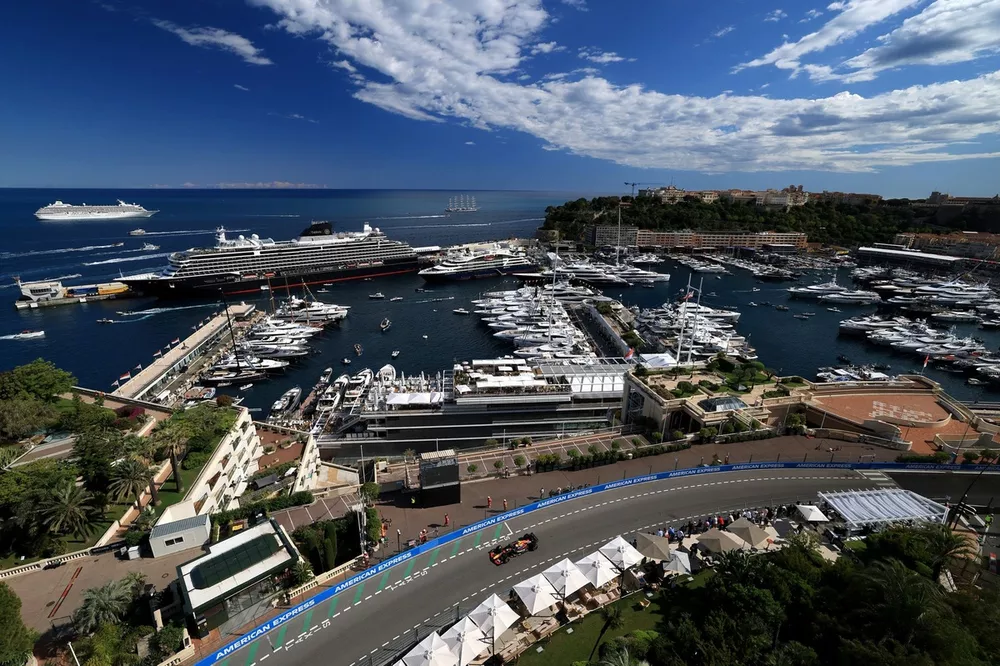
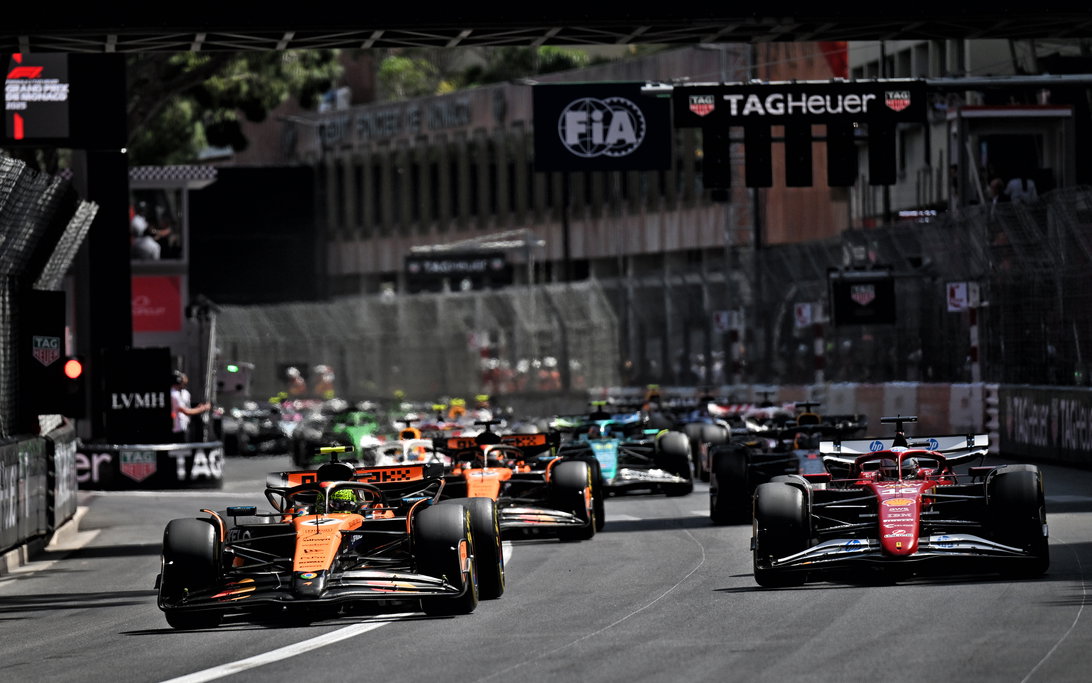
The paddock knows Monaco never lies. Its 3.337 km ribbon of asphalt squeezes every weakness into plain view, and this June the circuit returns to its old rhythm for the first time since Suzuka in March. Three practice sessions, qualifying on Saturday, and a proper 78-lap race on Sunday. Yet beneath the glamour, the real story is not lap times. It is how certain teams still refuse to look inside the driver before they touch the car.
The Traditional Weekend Returns in Full
Teams will finally get proper track time to chase setup on the narrow streets where one mistake ends the weekend. The schedule runs from June 5 to 7 with no sprint to scramble priorities.
- Friday, June 5: FP1 at 13:30 local, FP2 at 17:00 local.
- Saturday, June 6: FP3 at 12:30 local, Qualifying at 16:00 local.
- Sunday, June 7: Race start at 15:00 local, 78 laps, roughly 260 km.
Pirelli brings its softest trio, C3, C4 and C5, perfectly matched to Monaco's low-speed punishment. All times shift automatically to your zone. The extra sessions matter because every tenth gained in practice can decide grid position, and on this track grid position decides almost everything.
Leclerc and the Weight of Ferrari Politics
I heard the same story twice last week from different corners of the garage. Charles Leclerc arrives in Monaco with data that points one way, yet the final call still bends toward the louder voice in the room. It is not new. The team keeps choosing veteran instinct over the cold numbers, and the young driver's consistency slips another notch each time.
Think of the old Thai tale of the tiger and the fox. The tiger trusts only its roar and never notices the fox reading the wind. Ferrari behaves like that tiger. They adjust wings and ride heights while the real gap sits between the ears. Psychological profiling would tell them Leclerc needs clearer authority on strategy calls, not another aero tweak that arrives too late on Sunday.
When Budget Rules Meet Their Breaking Point
Look deeper and the same refusal to face hard truths runs through the entire paddock. The cost cap was meant to level the field. Instead it has created clever tunnels that only the richest can exploit. Within five years one major team will fold under the weight of those loopholes. A merger or quiet exit will follow. The signs are already visible in the way smaller squads stretch every euro while the front-runners hide development spend in plain sight. Monaco will not cause that collapse, but it will show who is truly prepared when the music stops.
Radio Static That Lacks Real Fire
Listen to the team radios this weekend and you will hear the usual clipped exchanges. They sound dramatic, yet they carry none of the genuine stakes that once defined Prost versus Senna in 1989. Those two men fought with everything on the line. Today's arguments flare and fade because the underlying rivalry rarely threatens a driver's place in the championship. The drama feels manufactured, the same way a folk storyteller adds thunder when the real conflict has already passed.
"Psychological profiling beats another tenth of downforce when the streets close in."
That line came from a strategist who has watched three different teams implode over the past decade. He says it quietly, but the truth lands hard.
The Real Test Lies Inside the Cockpit
Monaco rewards precision, yes, but it punishes self-deception faster than any other track. Teams that keep chasing setup while ignoring the driver’s mental state will leave with another lesson unlearned. The schedule gives them three days to work. The question is whether they will use any of that time to look past the carbon fiber and into the person behind the wheel.
Join the inner circle
Get the deep dives and technical analysis from the world of F1 delivered to your inbox twice a week.
Zero spam. Only high-octane analysis. Unsubscribe anytime.