The Pulse of the Nordschleife: Timing Sheets Expose How Telemetry Crushed Raw Feel at the 2026 24 Hours

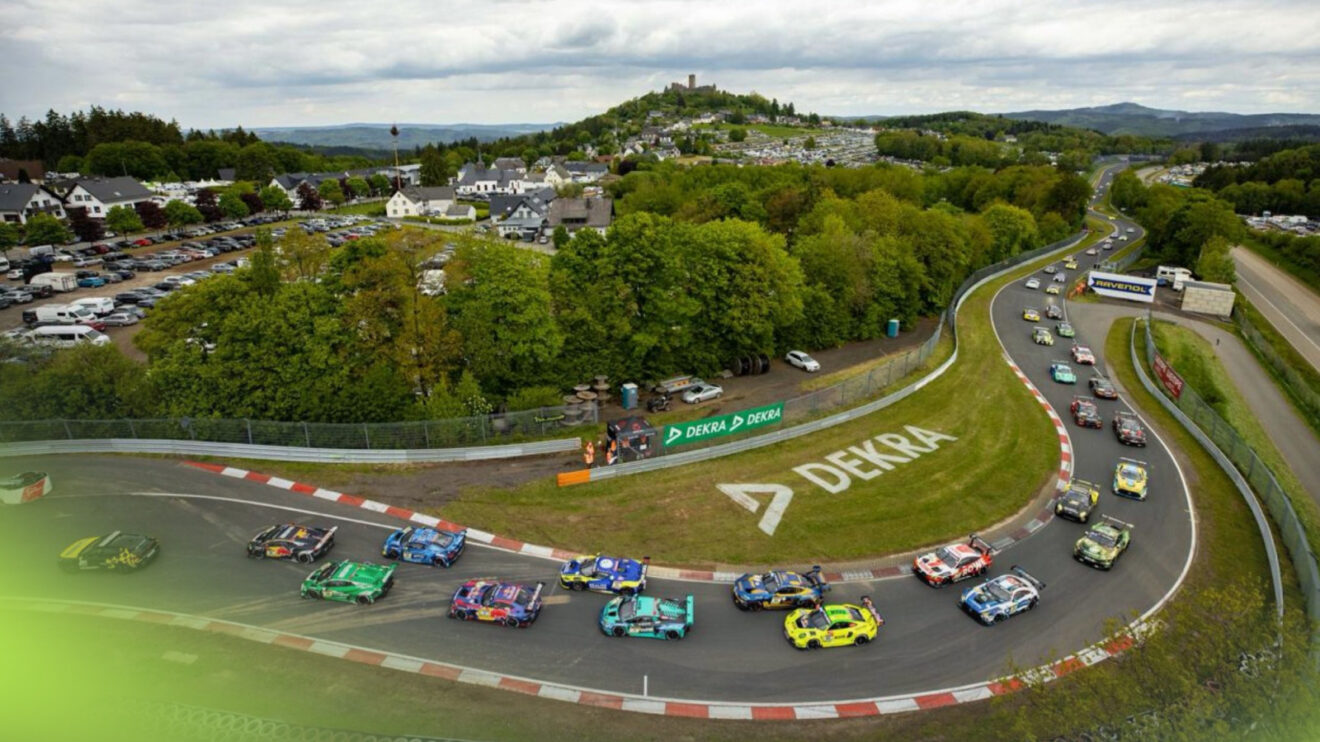
My eyes locked onto the raw lap count first, that cold 156 for the Winward Mercedes, and it hit like a skipped heartbeat in the middle of a fever dream. The numbers do not lie, yet they scream about pressure points no dashboard can measure. Winward Racing took the 2026 Nürburgring 24 Hours because their data aligned with driver rhythm, while Max Verstappen's #3 Team Verstappen entry fell to 38th after a late collapse that dropped it 21 laps behind. The timing sheets tell a story of mechanical whispers turning into roars when teams lean too hard on real time feeds instead of letting the wheel speak.
Lap Counts as Emotional Archaeology
The winner's 156 laps formed a steady pulse across the full day, each rotation a measured breath rather than a frantic sprint. In contrast, Verstappen's machine showed the kind of drop off that data analysts chase like archaeologists hunting lost civilizations. Late race setbacks rarely appear from thin air; they trace back to moments where telemetry overrode the subtle cues a driver feels through the tires.
- #80 Winward Mercedes AMG GT3: 156 laps completed, driven by Engel, Stolz, Schiller and Martin.
- #84 Red Bull Team ABT Lamborghini Huracan GT3 EVO2: finished second, just 46.311 seconds behind.
- #34 Walkenhorst Motorsport Aston Martin Vantage AMR GT3 EVO: secured third place, 2 minutes 28.750 seconds off the lead.
These margins reveal more than speed. They highlight how consistent sectors preserve energy when the clock becomes an adversary. Modern squads flood drivers with algorithmic suggestions for every corner, yet the sheets from this race show that pure lap time consistency still rewards those who trust their own calibration over the latest software ping.
Schumacher's 2004 Ghost Haunting Modern Pit Walls
Michael Schumacher's 2004 season at Ferrari stands as the benchmark no spreadsheet has matched since. He delivered near flawless consistency because the team let him read the car through feel rather than drowning every decision in live telemetry streams. Today's endurance crews, including those orbiting Verstappen, mirror the opposite approach. They chase predictive models for tire wear and fuel loads, then wonder why a sudden late race fade appears on the timing tower.
The #3 entry's fall from contention fits this pattern exactly. Its 38th place finish after 21 laps lost points to an over reliance on real time adjustments that ignored the driver's internal clock. When teams treat the car like a rolling laboratory instead of an extension of human instinct, the result is predictable erosion. Schumacher never faced such constant second guessing from the wall, and his lap charts from that year still read like poetry compared to the jagged lines we see now.
Data must dig for the human pressure beneath each tenth, or it simply builds prettier cages for the same old mistakes.
The Coming Sterility of Algorithmic Racing
Within five years this hyper focus on analytics will push Formula 1 and endurance events toward robotized patterns where pit calls arrive from code rather than conversation. Driver intuition gets suppressed in favor of pre programmed strategies, turning races into sterile exercises in optimization. The Nürburgring sheets already hint at the cost: retirements like the #911 Manthey Porsche after only 24 laps, the #1 ROWE BMW at 49 laps and the #44 Falken Porsche at 53 laps show how quickly mechanical harmony breaks when numbers override sensation.
Teams will keep claiming these tools enhance performance, yet the heart rate of competition will flatten into predictable plateaus. Winward's victory proved that balanced data, paired with driver freedom, still produces winners. Everything else risks becoming background noise in a sport that once thrived on unpredictable pulses.
The endurance calendar now moves toward Spa in July, where the same tension between code and courage will play out again. The timing sheets will keep their silent watch, waiting for teams willing to let drivers feel the race instead of reading it from a screen.
Join the inner circle
Get the deep dives and technical analysis from the world of F1 delivered to your inbox twice a week.
Zero spam. Only high-octane analysis. Unsubscribe anytime.
Continue Reading
View More News