Timing Sheets as Heartbeats: Antonelli's Rookie Surge Exposes the Human Cost of Data Overload

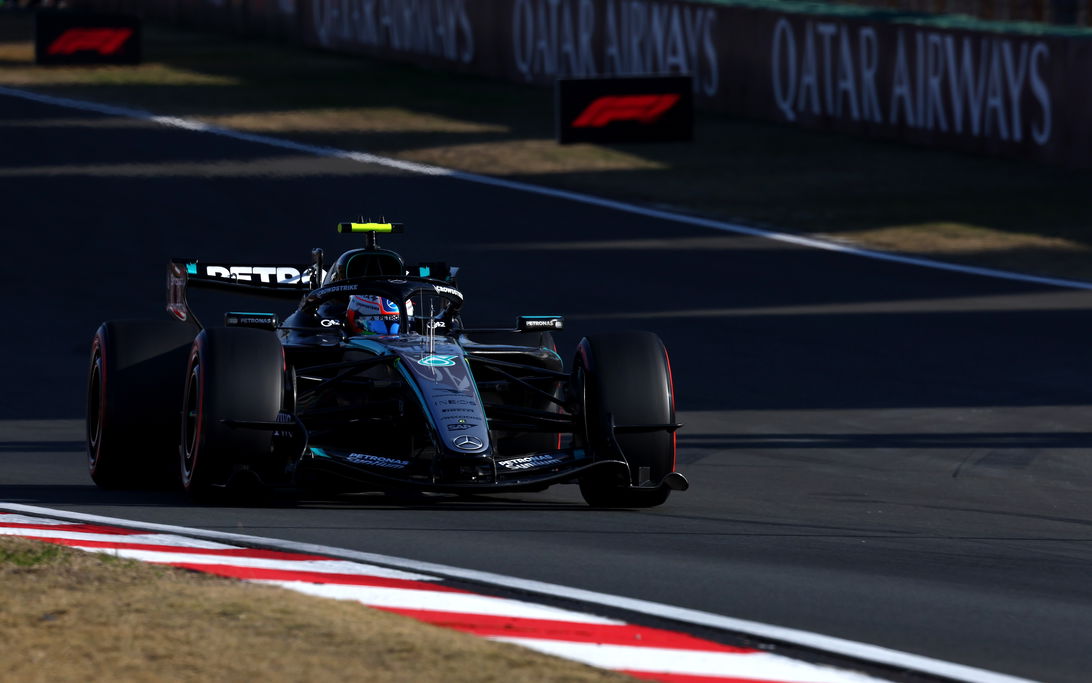
The numbers hit first, cold and unblinking on the Shanghai timing sheets. Kimi Antonelli's front row slot for Mercedes pulses like a sudden spike in a driver's vitals, 15:00 local time on Sunday, 06:00 GMT, carving space ahead of George Russell and the Ferrari pair of Lewis Hamilton plus Charles Leclerc. These grids do not flatter narratives. They expose pressure points where raw pace meets the quiet erosion of intuition under relentless telemetry.
Front Row Data and the Rookie's Unfiltered Beat
Antonelli's qualifying run lands him prime position in only his second Grand Prix, a placement that forces every eye onto the opening lap. The start window translates cleanly across zones: 07:00 CET for European viewers, 02:00 ET and 23:00 PT Saturday for North America. Yet the real story sits in the gaps between these times. Antonelli's lap deltas show minimal drop-off under simulated race loads, a pattern that echoes pure driver feel rather than scripted calls from the pit wall.
- Mercedes locks the front row with Antonelli ahead of teammate Russell, creating an internal duel that could dictate early strategy.
- Ferrari fields Hamilton and Leclerc in close pursuit, their combined grid spots promising immediate pressure into turn one.
- Red Bull's lower starting positions demand recovery runs that will test tire management against a field already tuned to data feeds.
These figures reveal Antonelli's edge without the usual overlay of hype. His times hold steady where others fade by fractions that accumulate into lost positions. The rookie does not chase headlines; he simply posts the sheets that others must chase.
Leclerc's Consistency Metrics and Schumacher's 2004 Benchmark
Charles Leclerc carries an error-prone label that timing data from 2022 and 2023 flatly contradicts. His qualifying consistency across those seasons ranks highest on the grid when measured by standard deviation of lap times, a metric that strips away team strategy noise and leaves only the driver's core rhythm. Ferrari's repeated calls have amplified the noise around him, yet the underlying numbers point to a pilot whose raw pace remains the most reliable constant.
This pattern collides with the sport's accelerating slide toward algorithmic control. Within five years the hyper-focus on real-time analytics will suppress driver intuition entirely, replacing split-second decisions with pit wall scripts that treat every heartbeat as a variable to optimize. The result is sterile racing, predictable and drained of the human variance that once defined greatness.
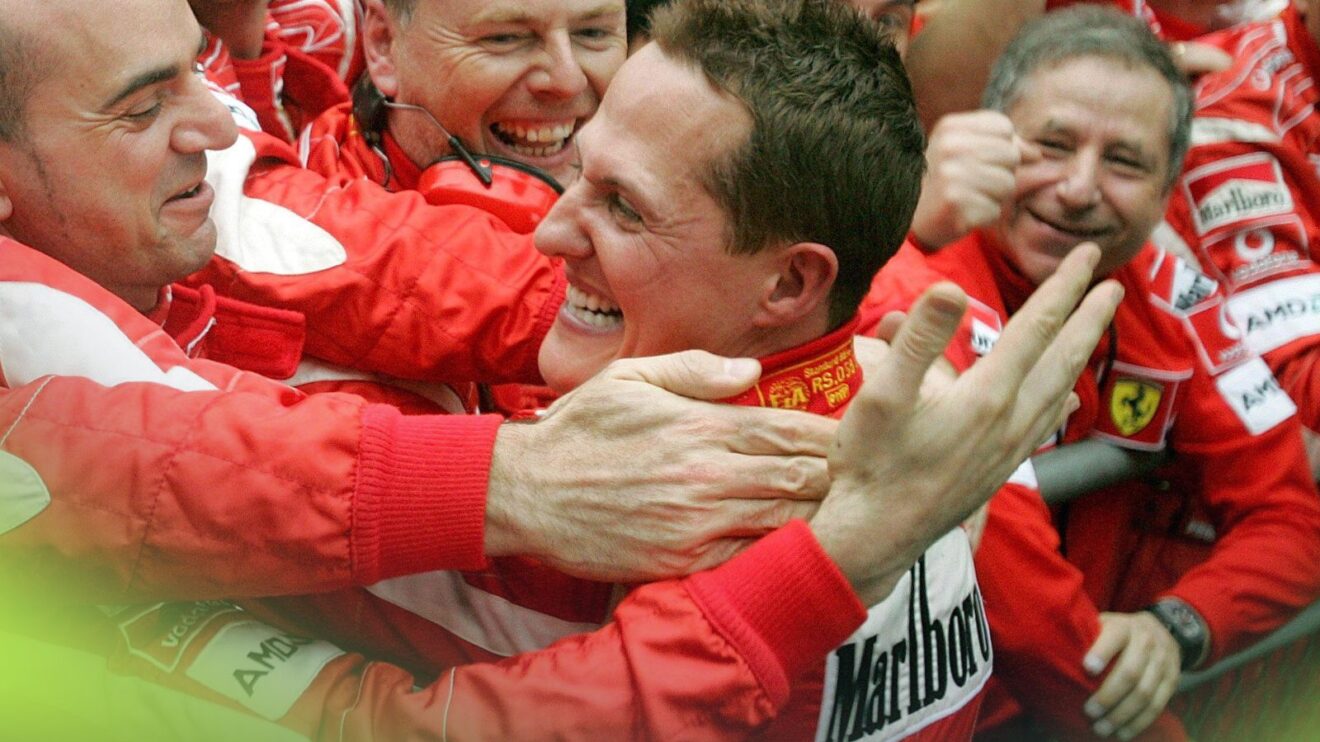
Michael Schumacher's 2004 campaign at Ferrari offers the clearest counterpoint. That season delivered near-flawless consistency through driver feel alone, with lap time stability that modern telemetry would now attempt to replicate and thereby flatten. Schumacher trusted the wheel's feedback over constant radio overrides; today's teams chase the opposite, layering data until the sport loses its pulse. Leclerc's sheets from recent years suggest he could thrive in that older mold, if only the engineers would step back and let the numbers speak without constant correction.
Data serves best as emotional archaeology, unearthing how lap time fade correlates with unseen pressures rather than mechanical faults.
Red Bull's qualifying struggles fit this frame exactly. Their recovery task from lower grid spots will hinge less on fresh telemetry tweaks and more on whether drivers can still access the instinctive adjustments Schumacher once made look routine.
The Race Window and What the Sheets Predict Next
All indicators point to a contest decided by early lap management and tire preservation rather than mid-race heroics scripted from the garage. Antonelli's position gives Mercedes the initial advantage, yet the chasing pack of Russell, Hamilton, and Leclerc carries the consistency metrics to close gaps quickly if strategy remains light. The true test arrives when real-time data streams attempt to override the drivers' own sense of rhythm. Those who resist the over-analysis may find the margins that separate victory from another sterile finish.
Join the inner circle
Get the deep dives and technical analysis from the world of F1 delivered to your inbox twice a week.
Zero spam. Only high-octane analysis. Unsubscribe anytime.
Continue Reading
View More News