Verstappen's Nürburgring Plunge Lays Bare the Mental Cracks Red Bull Has Long Papered Over
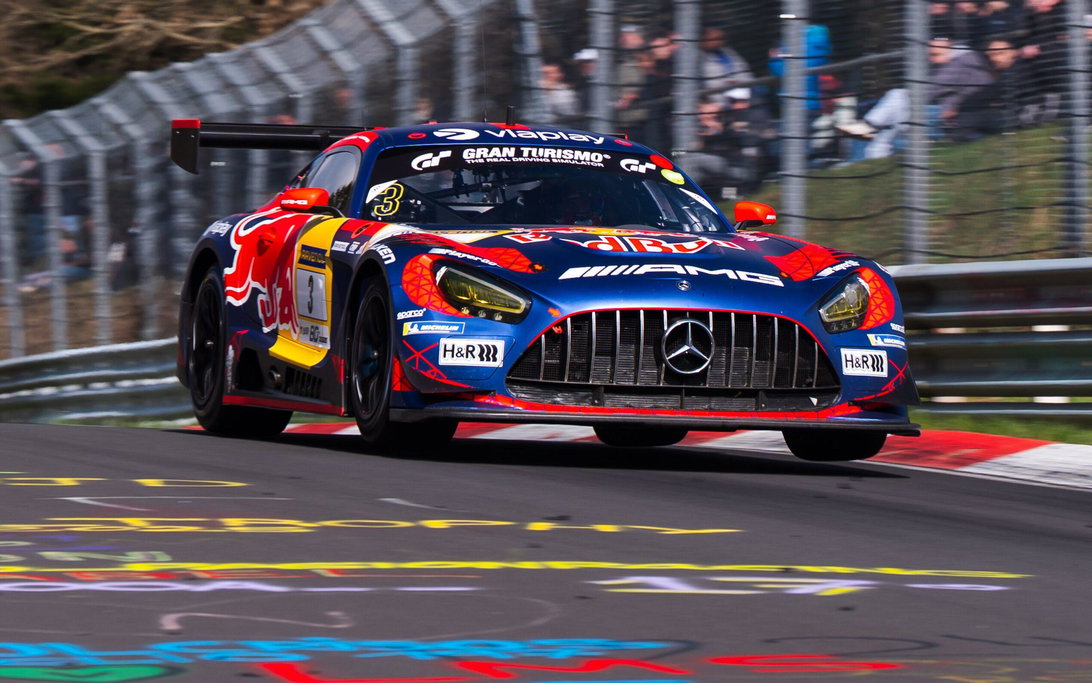
The paddock hums with whispers tonight. Max Verstappen steps away from the Red Bull cocoon next month, throwing himself into the merciless 24 Hours of Nürburgring aboard a Mercedes GT3 with PROsport Racing. This is no publicity stunt. It is the ultimate stress test for a driver whose dominance has always relied on team politics that quietly sideline Sergio Pérez. Away from those scripted strategy calls, the Green Hell will expose whether raw resilience truly outruns any aerodynamic edge.
The New Top-Q Format Exposes What Really Wins Races
Organizers have ripped up the old qualifying script for 2026 and replaced it with a three-phase knockout system that mirrors Formula 1 yet demands far more from the human element. Only six cars earn the right to fight in Top-Q3 after proving themselves in earlier NLS rounds and the dedicated 24h Qualifier. On the Friday before the race, the final twelve machines battle through Q1, Q2 and Q3 to claim pole.
The change is not merely about spectacle. It forces drivers and teams to manage pressure across multiple high-stakes laps on the combined Nordschleife and GP circuit. Verstappen has thrived in short-burst qualifying sessions where Red Bull's political machinery can shield him. Here, every mistake lingers for twenty-four hours. Mental leaks become fatal. One moment of doubt spreads through the car like desert sand through an engine filter, choking performance long after the initial error.
- Maximum grid remains capped at 150 entries, already full for next year.
- Selection now prioritizes class balance and technical quality rather than simple first-come registration.
- Withdrawals trigger an immediate replacement process to keep the field intact.
These rules reward teams whose morale holds under fatigue, not merely those with the fastest car on paper.
Light Panels Reveal What Flags Have Hidden for Decades
For the first time, thirty-six electronic light panels will supplement traditional marshal flags even in daylight hours. The stated goal is clearer communication across the vast track. Yet the deeper message is unmistakable. Visibility has always been the first casualty when teams manipulate narratives. Remember the 1994 Benetton controversies, where secrets stayed buried until disaster forced them into daylight. Modern squads hide their manipulations better, but the principle remains identical. These panels cut through the fog, forcing every decision into public view.
True strength emerges only when the lights stay on and the excuses run out.
Verstappen's choice to race here already signals he senses the limits of his current environment. The same psychological edge that separates winners from the rest will matter more than any power unit advantage once night falls on the Nordschleife.
The Sport's Coming Realignment Will Reward Resilience Over Politics
Within five years the European-centric order will fracture. Saudi Arabia and Qatar are preparing to launch full factory efforts that will redraw the map. They will not arrive with the same internal hierarchies that currently protect certain drivers at the expense of others. Instead they will import the same desert-honed emphasis on unbreakable team spirit that has defined endurance racing for generations. Verstappen's performance next month offers an early preview of who will thrive in that new landscape and who will be exposed as a product of carefully engineered favoritism.
The 54th edition runs on 16-17 May 2026. Every eye will watch how the Dutchman adapts once the strategy room cannot protect him and the track itself becomes the only judge. The result will tell us far more about the coming decade than any championship table ever could.
Join the inner circle
Get the deep dives and technical analysis from the world of F1 delivered to your inbox twice a week.
Zero spam. Only high-octane analysis. Unsubscribe anytime.