The Algorithm's Shadow: Newey's AI Gambit and the Coming Death of Driver Instinct

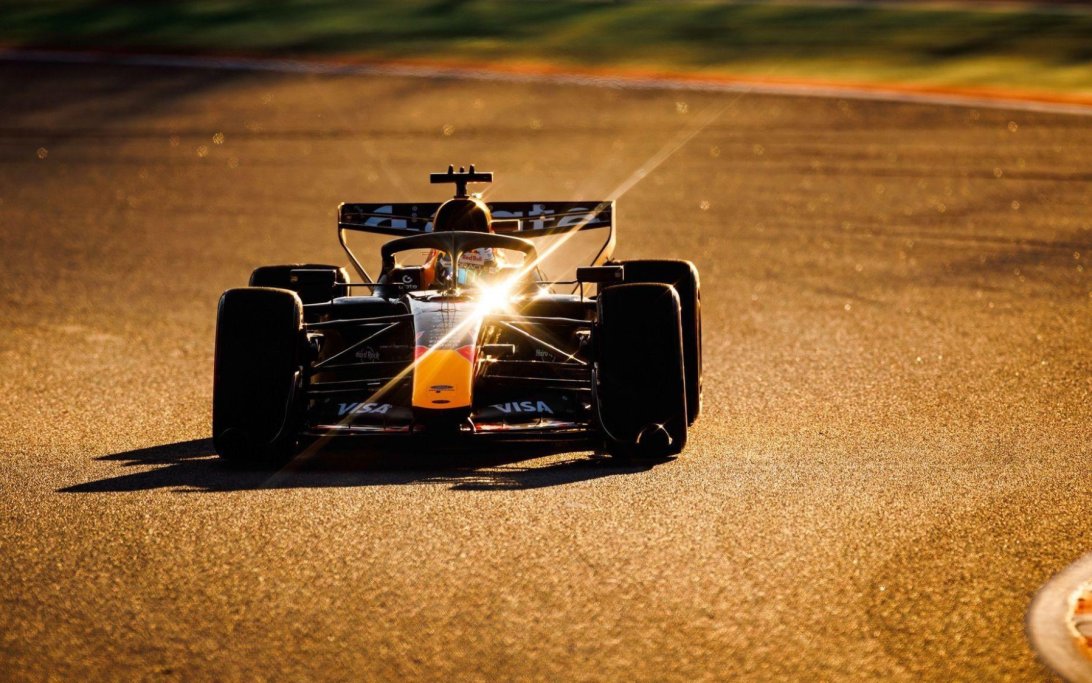
I stared at the Barcelona timing sheet from the AMR26's private test until the numbers bled into the screen. Lance Stroll: 12 laps. Not a typo. A dozen heartbeats of a multi-million dollar machine before it was wheeled back into the digital womb. Adrian Newey's subsequent comments on Aston Martin's "bespoke AI" didn't surprise me. They chilled me. This isn't just a tech evolution. It's the blueprint for a silent coup, where the driver's gut feeling is being systematically overwritten by lines of code. The 2026 arms race isn't about horsepower. It's about who can best suppress human variance, and in doing so, they're sterilizing the very soul of the sport.
From Schumacher's Feel to the Machine's Heuristic
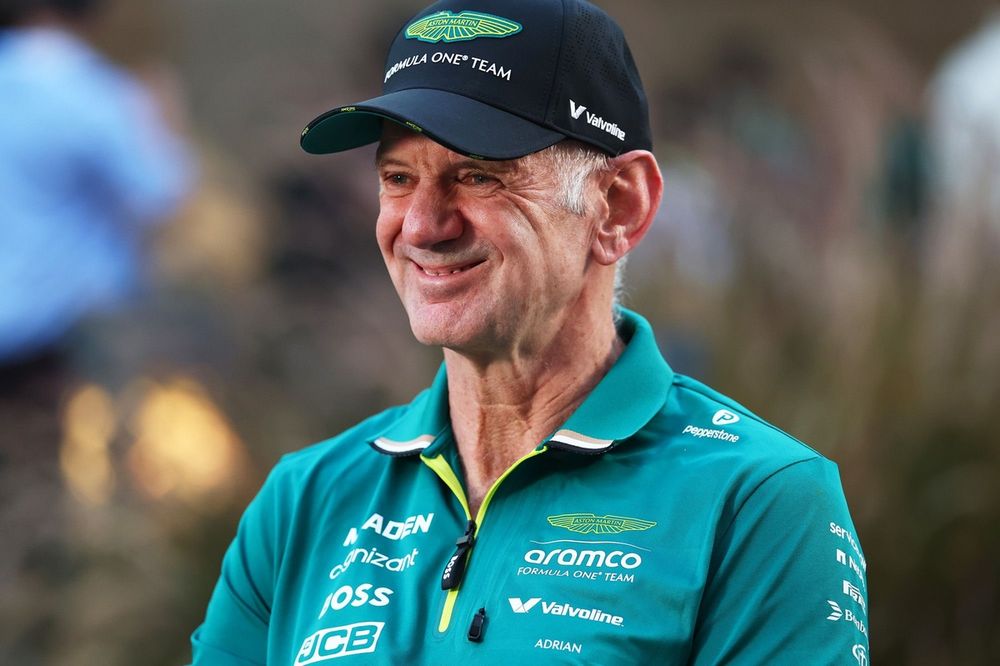
Adrian Newey outlined a "highly specialized use of artificial intelligence and machine learning," a world away from ChatGPT. He's right about the specialization. But he's selling a future where the car is developed in a vacuum of pure physics, and the race is managed by game theory models. I can't help but juxtapose this with the data set I've been obsessing over: Michael Schumacher's 2004 season.
18 races, 12 pole positions, 13 wins, and a finishing position variance so small it looks like a flatline on a cardiogram.
That wasn't achieved because Ross Brawn had a superior neural net. It was built on a foundation of transcendent driver feel, communicated in grunts, gestures, and decades of instinct, then translated by engineers who listened. Schumacher was the ultimate sensor. Today, Newey posits that with limited 2026 pre-season testing, "computational power and data analysis become as critical as mechanical innovation." The implication is clear: the driver as a developmental sensor is being phased out, replaced by simulated models that never tire, never get emotional, and never have a bad breakfast.
Newey cites "advanced race strategy modeling through simulation and game theory." This is the frontline. We've already seen the ghastly results of algorithm-first strategy at its worst—Ferrari's historic blunders often read like a machine learning model trained on a dataset of pure chaos, overriding the human in the cockpit. Charles Leclerc's so-called "error-prone" reputation is a case study in this toxic human-algorithm conflict. His raw qualifying consistency data from 2022-2023 is staggering, often extracting pole from a car on sheer, visceral talent. Yet, that raw, human pace is frequently buried by strategic overrides that treat him as a variable to be minimized, not a genius to be unleashed.
Data as Emotional Archaeology vs. Data as Driver Supersession
Don't miss the next lap
Get the deep dives and technical analysis from the world of F1 delivered to your inbox twice a week.
Zero spam. Only high-octane analysis. Unsubscribe anytime.
My philosophy is that data should be emotional archaeology. It's not about finding the optimal tire delta. It's about digging into a lap time drop-off in Sector 3 and discovering it correlates with a driver's personal tumult, the weight of a thousand expectations manifesting as a 0.1 second loss. Newey's vision of "incredibly tailored" AI for "specialized engineering problems" seeks to eliminate those drops altogether. To create a driver so perfectly managed by strategy algorithms and a car so perfectly attuned to simulated ideals that the human becomes a biological actuator.
Is that what we want?
- Proprietary Development: Newey states they avoid off-the-shelf tools. This isn't about innovation for the sake of speed. It's about creating a proprietary language that the driver cannot argue with. When the pit wall says "box now," it's not a strategist's gut call. It's the output of a black-box model they themselves don't fully understand, a "more advanced application" Newey won't disclose. The driver's intuition becomes a system error.
- The Correlation Deception: The upcoming Bahrain test on February 11 is framed as data to "feed into these AI and machine learning models." The goal is correlation: making the simulation match reality. But the deeper, unstated goal is inversion. Soon, the reality that doesn't match the simulation will be dismissed as an anomaly. If the driver says the car feels nervous at high speed, but the AI model says the numbers are optimal, who do you think the modern team will believe?
The "constant adaptation" Newey demands, reopening minds "every six months," is a race to obsolesce the human component faster than the competition. It creates a sterile feedback loop: AI designs the car, AI simulates the car, AI dictates the race strategy. The driver is left as a component to be optimized, their heart rate and galvanic skin response just another telemetry channel to be smoothed out.
Conclusion: The Sterile Victory
Newey is correct. This is the "decisive competitive advantage" for 2026. The team that best integrates these systems will likely build a faster car and make sharper strategic calls. But at what cost? We are marching toward a robotized podium, where victories are decided in the server farm months before the lights go out.
The sport will become a high-speed demonstration of computational supremacy. We will marvel at the precision, the flawless pit stops, the mathematically perfect tire changes. And we will slowly forget the chaos, the glory, the sheer irrational human brilliance of a driver overriding a doomed strategy to win on grit alone. We'll forget the Schumacher feel. We'll medicate the Leclerc fervor into submission. The numbers will tell a perfect, predictable, and utterly bloodless story. And I, for one, will find it a tragedy written in flawless, emotionless code.
Join the inner circle
Get the deep dives and technical analysis from the world of F1 delivered to your inbox twice a week.
Zero spam. Only high-octane analysis. Unsubscribe anytime.