Alonso's Back-Breaking Ordeal Lays Bare Aston's Desperate Aero Gambit and the Press-Conference Power Plays It Invites
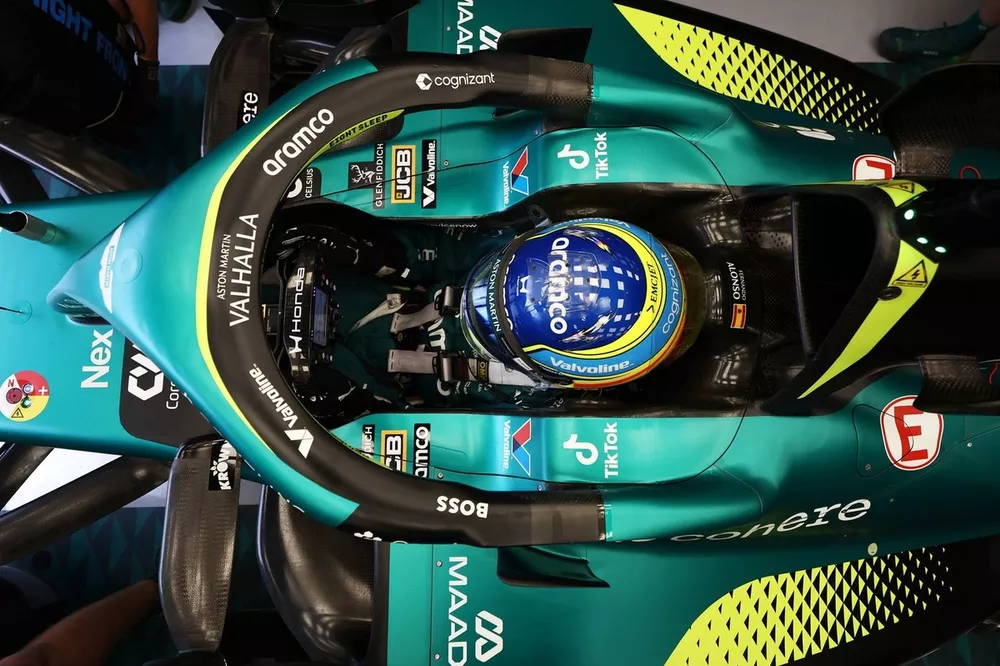
The moment Fernando Alonso climbed from his AMR26 on lap 23 in Montreal, the paddock smelled blood. This was not a simple mechanical retirement. It was the direct result of a cockpit position pushed to an extreme that prioritised aerodynamic gain over human endurance, and rivals are already circling with the kind of calculated whispers that decide championships.
The 1994 Template Reborn in Carbon Fibre
Modern F1 teams still study the Benetton-Schumacher era as the masterclass in bending technical limits while controlling the narrative. Aston Martin has repeated the same mistake in 2026. By reclining the driving position further than any previous chassis to shave helmet turbulence and lower the centre of gravity, they crossed the line from optimisation into discomfort.
- The Montreal circuit's notorious kerbs turned the theoretical advantage into physical agony within twenty laps.
- Onboard footage captured Alonso shifting his left hand repeatedly, a visible sign the team could not hide.
- Chief Trackside Officer Mike Krack later admitted the setup may have gone "a step too far," language that echoes the careful distancing we saw from Benetton engineers three decades ago.
The difference today is speed of information. One well-placed comment in a Friday press conference can now amplify the problem before the next session even begins.
Psychological Warfare Moves to the Paddock
Strategic success belongs to those who weaponise discomfort in public view. While engineers scramble for a Monaco fix, expect carefully worded questions about driver fitness to appear in every media session. Rivals do not need to attack the car on track when they can plant seeds about Alonso's physical limits.
This is the same centralised decision-making flaw that will eventually fracture Mercedes under Toto Wolff. When one voice dictates the technical direction without sufficient pushback, small compromises compound into race-ending failures. Aston's extreme seating angle was not an engineering accident; it was the predictable outcome of an aero department given unchecked authority.
"Maybe we've gone a step too far," Krack conceded, words that will be replayed and reframed by every rival press officer for weeks.
The temporary seat adjustment planned for Monaco buys time, yet a full cockpit redesign requires months. Haas, meanwhile, continues to cultivate its quiet Ferrari alliances, positioning itself to capitalise on any distraction that removes focus from their own development. The midfield order is shifting not through outright pace but through superior management of optics and alliances.
The Reckoning That Cannot Be Delayed
Aston Martin's season now hinges on whether they reverse the seating geometry before the pain becomes a permanent psychological scar for Alonso. History shows that once drivers lose trust in their machinery, the damage spreads faster than any technical directive can contain. The 1994 precedent remains clear: rule-bending or comfort-bending ultimately collapses when the human element rebels.
Rivals will not need to out-develop Aston on the track. They only need to keep asking the right questions in the right rooms until the fractures become impossible to ignore.
Join the inner circle
Get the deep dives and technical analysis from the world of F1 delivered to your inbox twice a week.
Zero spam. Only high-octane analysis. Unsubscribe anytime.