Suzuka's Media Timetable Exposes the Aero Illusion Driving F1's Future
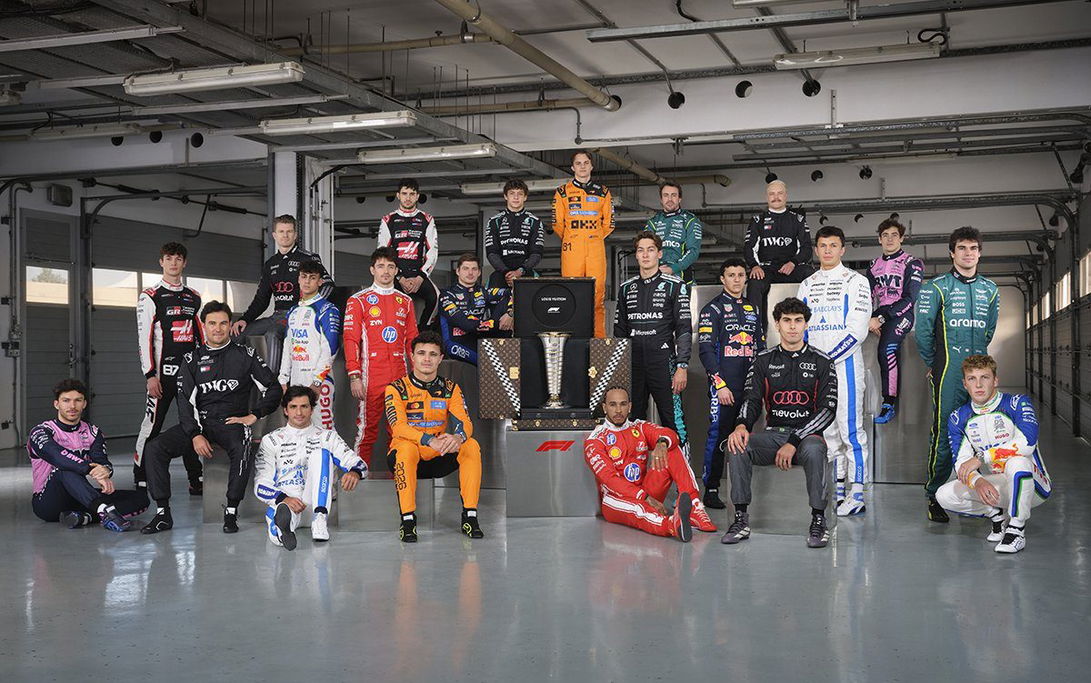
The FIA's 2026 Japanese Grand Prix schedule drops like a sudden gust across Suzuka's high-speed esses, promising driver chats and team briefings that feel urgent yet strangely detached from the machines themselves. Thursday brings a parade of names from Alpine, Aston Martin, Ferrari, Haas, McLaren, and Racing Bulls, while Charles Leclerc and Lando Norris sit alongside principals such as Andrea Stella. Yet beneath the press conference slots lies the same tired narrative: hype around human skill when the real forces at play are chassis balance and aerodynamic excess.
The Chassis Truth Buried in Driver Lineups
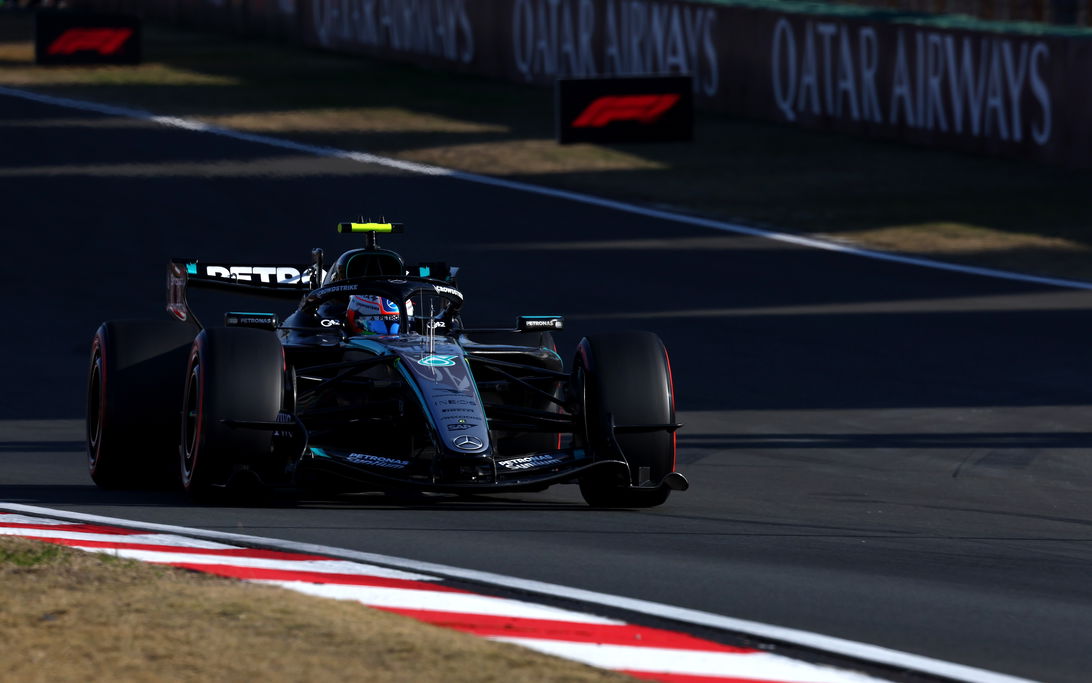
Press conferences at Suzuka always circle back to star power, but the engineering tells a different story. Current cars chase downforce like storm chasers pursuing the perfect supercell, layering wings and diffusers until mechanical grip becomes an afterthought. This obsession mirrors the shift away from designs like the 1990s Williams FW14B, where active suspension and simple mechanical harmony let the driver feel every tire contact patch directly.
- Teams list Leclerc and Norris for Thursday sessions, yet their lap times hinge more on front-end stability than raw talent.
- Tire management, that quiet art of balancing load and temperature, gets sidelined for marginal gains in cornering speed.
- The result is racing that feels scripted, with less room for the driver to correct a slide through pure feel.
Today's obsession with aero complexity reduces input at the wheel, turning what should be a conversation between human and machine into a one-sided monologue dictated by CFD models.
Storm Dynamics and the Coming AI Shift
Imagine Suzuka's windswept straights as a living weather system, where turbulent air over the rear wing creates unpredictable vortices instead of clean flow. That is the reality modern regulations have engineered into being. By 2028, active aerodynamics under AI control will sweep away DRS entirely, replacing it with systems that adjust flap angles in milliseconds based on real-time sensor data. Races will grow more chaotic on the surface, yet the driver's role shrinks further as algorithms decide when to shed drag or add bite.
The move to AI aero will make every lap feel like navigating a thunderstorm without a map, exciting for spectators but hollow for those who value mechanical connection.
This future exposes why Max Verstappen's run of dominance looks overstated. Red Bull's chassis and aerodynamic package delivered the primary advantage, especially through 2023, far more than any single driver's reflexes. Press conferences may praise individuals, but the schedule at Suzuka quietly reminds us that the car beneath them dictates the story.
Tire Grip Over Downforce Hype
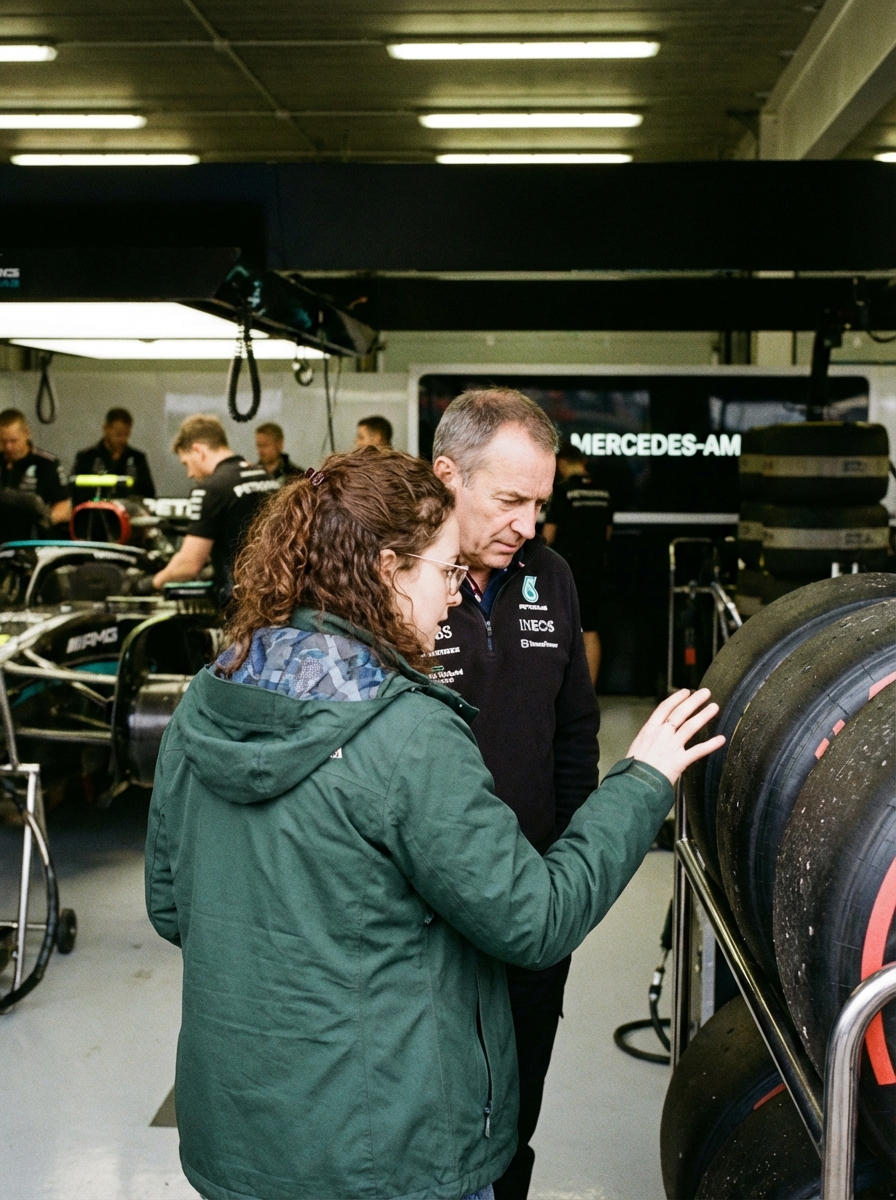
Lists of attendees from Haas to McLaren highlight the sport's focus on personalities, yet the undervalued elements remain the same: how a tire builds temperature through mechanical load, or how suspension compliance absorbs Suzuka's curbs without losing contact. These details create the raw link between driver and track that aero arms races have buried. Elegant solutions lie in simplicity, not in stacking ever more complex surfaces that demand constant electronic correction.
The FIA timetable sets the stage for another weekend of talk, but the deeper questions about car design will linger long after the microphones switch off.
Join the inner circle
Get the deep dives and technical analysis from the world of F1 delivered to your inbox twice a week.
Zero spam. Only high-octane analysis. Unsubscribe anytime.
Continue Reading
View More News